












An ice cave in Hofsjökull, Iceland’s third-largest glacier, has prompted a formal warning from the Icelandic Met Office, raising concerns about safety conditions at one of the country’s more remote glacial formations.
The Icelandic Met Office — known in Icelandic as Veðurstofa Íslands — issued the warning as part of its ongoing monitoring of glacial features across the highlands. Ice caves are inherently unstable structures, shaped by meltwater and geothermal activity beneath the ice, and conditions inside them can change with little notice. Hofsjökull sits at the geographic centre of Iceland, deep in the uninhabited interior, and draws visitors and researchers alike.
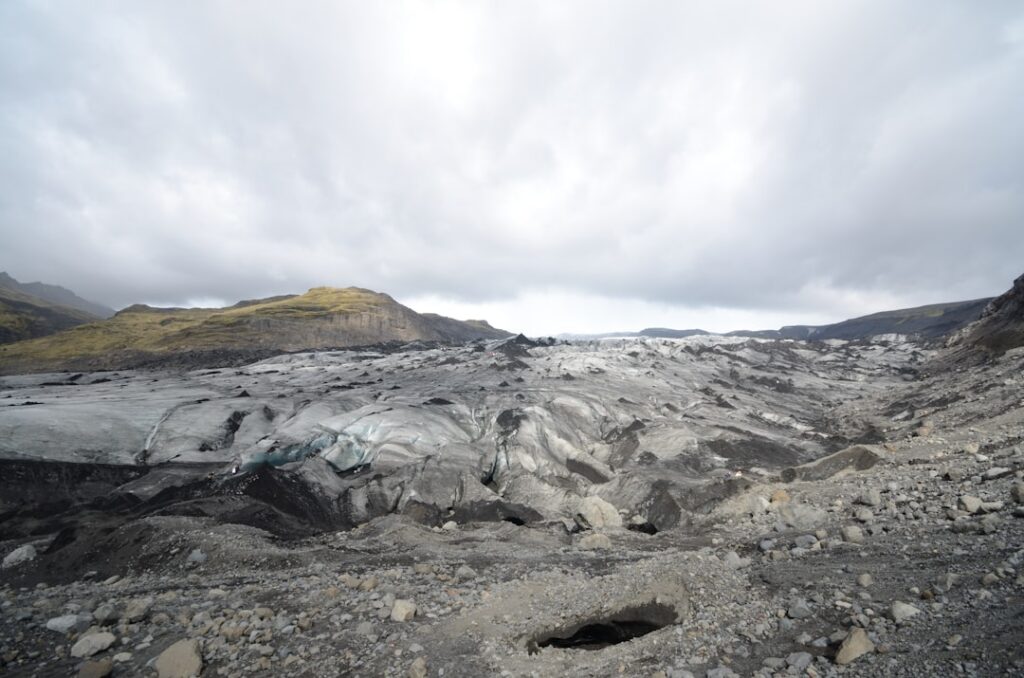
The warning serves as a reminder that Iceland’s glacial landscape, while visually striking, carries real physical hazards — hazards that do not always announce themselves in advance.
What the Hofsjökull ice cave warning means for visitors
Ice caves form when meltwater carves channels through or beneath a glacier. In Hofsjökull’s case, geothermal heat from below the ice sheet — Iceland sits atop the Mid-Atlantic Ridge, one of the most volcanically active zones on earth — can accelerate that process in ways that are difficult to predict from the surface.
The Met Office did not specify in the headline whether the warning relates to structural instability, flooding risk, or another hazard. But officials there routinely caution that ice cave conditions shift seasonally and can deteriorate sharply during warmer spells or periods of increased volcanic or geothermal activity beneath a glacier.
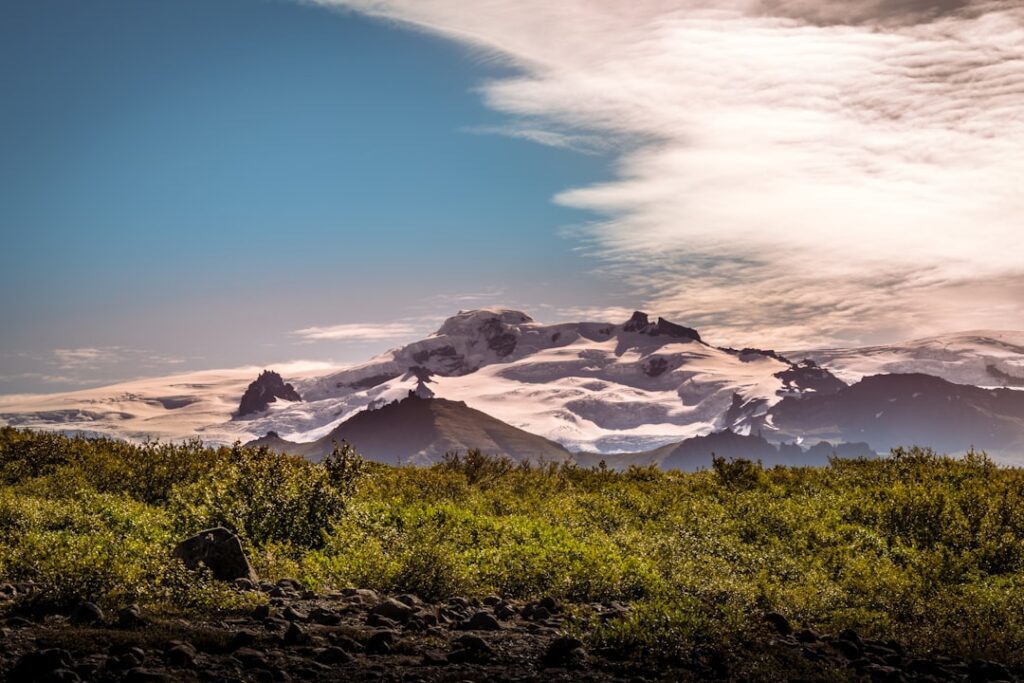
Hofsjökull covers roughly 925 square kilometres. It is a stratovolcano beneath the ice, making it geologically distinct from purely temperate glaciers. That combination of volcanic substructure and glacial surface means the ice moves and melts in patterns that are not always predictable even to specialists.
Anyone planning to enter ice caves in this region is strongly advised to check current conditions directly with the Icelandic Met Office before setting out and to travel only with certified glacier guides.
Reaching the highlands: why the location matters
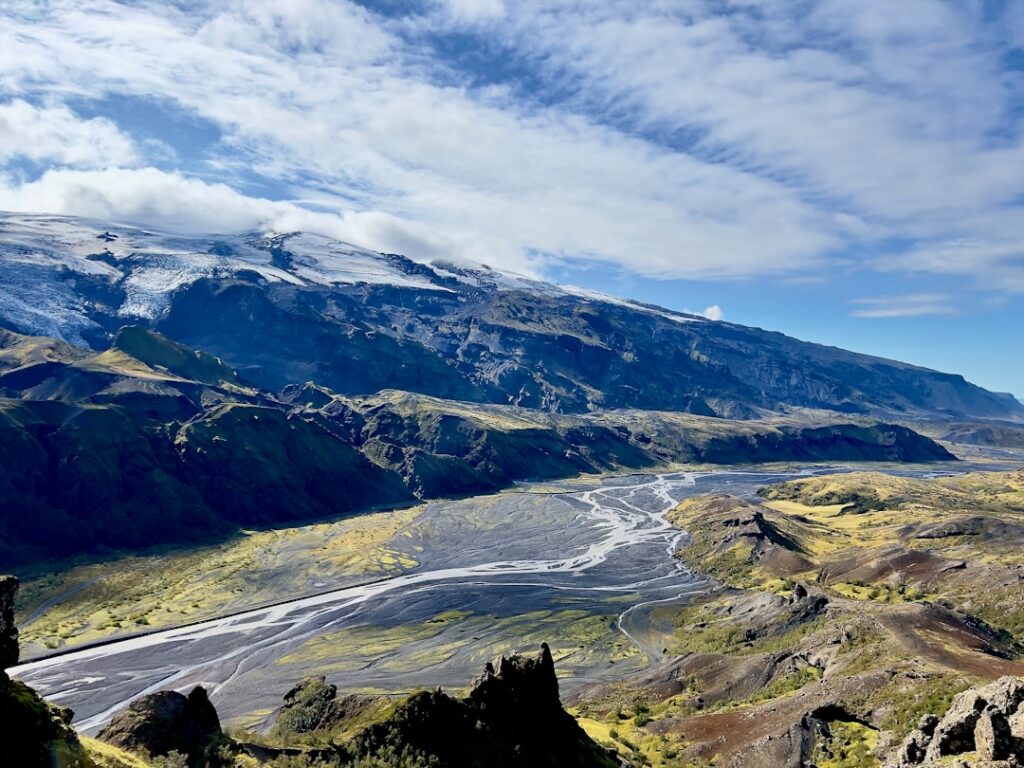
Hofsjökull is not a casual day-trip destination. The glacier sits in the Highlands — the vast, roadless interior that Icelanders call Hálendið — and access typically requires a four-wheel-drive vehicle capable of crossing unbridged glacial rivers. The highland roads, including the F-roads that lead toward Hofsjökull, are closed for most of the year and generally do not open until late June or early July, depending on snowpack and ground conditions.
That remoteness is itself part of the risk. Emergency response times in the highlands are considerably longer than in populated areas. The Icelandic Association for Search and Rescue — Landsbjörg — has repeatedly stressed that travellers in the interior must register their routes and carry sufficient supplies and communication equipment.
Ice caves at more accessible glaciers, such as Vatnajökull in the southeast, are guided year-round by licensed operators who monitor structural conditions daily. The situation at Hofsjökull, further from established tourism infrastructure, requires a higher baseline of caution.
Iceland’s glaciers under pressure
The warning also arrives in a broader context. Iceland’s glaciers are retreating. Okjökull, declared dead in 2019, was the first Icelandic glacier formally lost to climate change. Scientists monitoring Hofsjökull and the country’s other major ice caps have documented accelerating mass loss over recent decades, a process that changes the internal structure of glaciers and can make features like ice caves less stable over time.
That instability is not hypothetical. In past years, ice caves at Icelandic glaciers have collapsed or become inaccessible with little warning, occasionally trapping or injuring visitors who entered without proper guidance.
The Met Office is expected to provide updated guidance as conditions at the site develop. Travellers with plans to visit Hofsjökull this season should monitor official channels closely before making any approach to the glacier’s cave formations.
Original source: Icelandic Met Office — News