













Elevated gas concentrations have been detected inside the ice cave at Hofsjökull, Iceland’s third-largest glacier, according to the Icelandic Met Office — News, raising concerns about safety conditions in the subglacial formation.
The findings are significant because ice caves beneath active volcanic systems can accumulate volcanic gases — including carbon dioxide and hydrogen sulphide — at levels that are dangerous to humans with little visual warning. Hofsjökull sits directly above the central highlands and is underlain by volcanic geology, making it a site where such hazards are a genuine risk rather than a theoretical one.
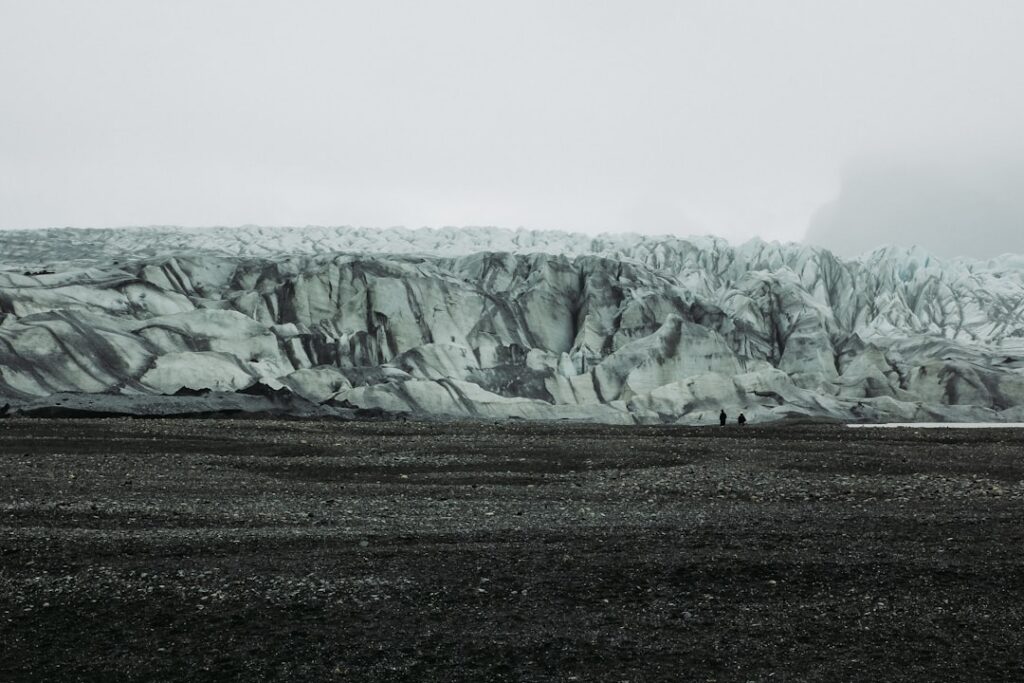
Officials confirmed that gas measurements at the cave had reached levels warranting public attention, though the precise concentrations and the instruments used to record them were details the Met Office addressed in its original reporting. Authorities have not yet disclosed whether access to the cave has been formally restricted.
What Gas Hazards in Hofsjökull’s Ice Cave Mean for Visitors
Iceland’s highlands are home to some of the world’s most dramatic subglacial and geothermal features, but they carry real hazards that are not always visible at the surface. Volcanic gases — particularly carbon dioxide, which is colourless and odourless — can pool in low-lying enclosed spaces such as ice caves, displacing oxygen before a person inside has any warning.
Hofsjökull, which covers roughly 925 square kilometres in the central highlands, is a stratovolcano concealed beneath its ice cap. It last erupted in the early Holocene, but geothermal activity beneath it remains ongoing. That activity is what makes its ice caves structurally interesting — and, under certain conditions, chemically hazardous.
The Icelandic Meteorological Office (Veðurstofa Íslands) monitors volcanic and geothermal conditions across the country and issues advisories when measurements suggest a risk to the public. Its involvement here indicates that the gas readings were not incidental but part of an active monitoring effort.
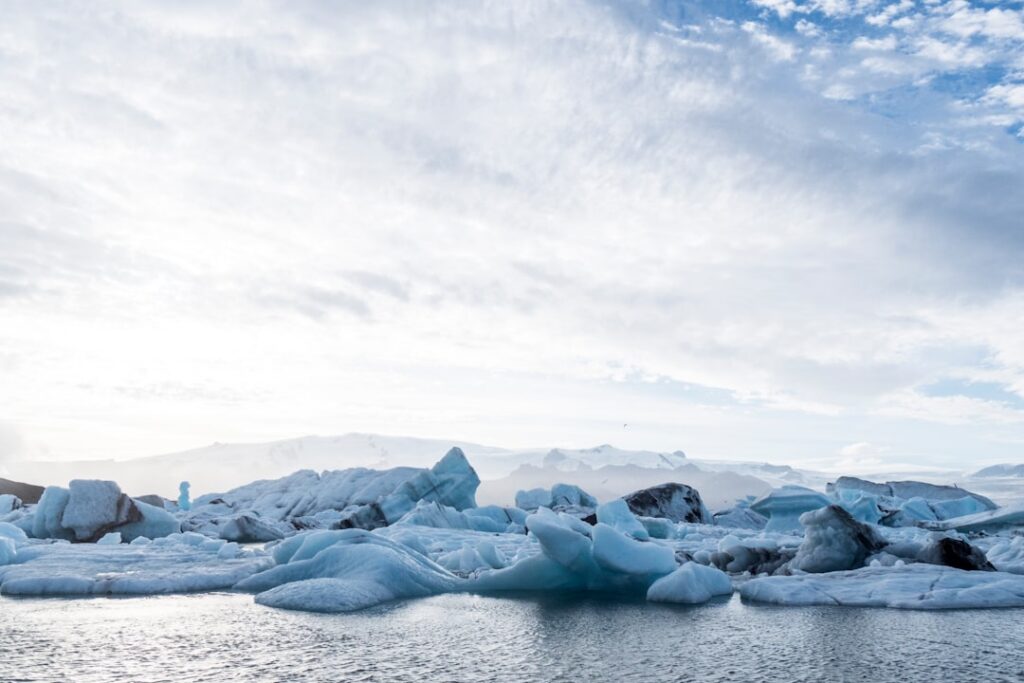
Guides and tour operators working in the highlands are typically notified directly when hazard levels change, but independent travellers — who sometimes attempt to reach Hofsjökull on foot or by four-wheel-drive across the interior — may not receive those alerts automatically.
Iceland’s Highland Ice Caves and the Geology Behind the Risk
Ice caves in Iceland form through several mechanisms. Some are carved by meltwater beneath a glacier. Others open where geothermal heat creates voids in the ice from below. The latter type is more common on volcanically active ice caps like Hofsjökull, and it is precisely this geothermal origin that makes gas accumulation more likely.
Carbon dioxide is denser than air and tends to settle at floor level in enclosed spaces. In a cave environment, even moderate concentrations can incapacitate a person quickly. Hydrogen sulphide, which carries the familiar smell of rotten eggs, is detectable at low concentrations but becomes undetectable at higher ones as it numbs the olfactory nerve — a well-documented hazard in Iceland’s geothermal zones.
Safety guidance from Icelandic authorities for anyone entering geothermal or volcanic areas consistently emphasises carrying a gas detector, never entering enclosed spaces alone, and always informing someone of a planned route before heading into the highlands.
Hofsjökull is not on the standard tourist circuit. Reaching it requires crossing the interior, typically via the Kjölur highland road (Route F35), which runs between the glacier and Langjökull to the west. The route is open only during summer months and demands a high-clearance four-wheel-drive vehicle. Most visitors to the area are experienced hikers, researchers, or guided groups.
Monitoring Continues as Authorities Assess Conditions
The Met Office has not indicated whether the gas concentrations detected represent a temporary spike or a sustained shift in the cave’s geochemical conditions. Both scenarios are possible — volcanic systems can exhale gases episodically in response to pressure changes, seismic activity, or seasonal ice melt altering the pathways through which gases travel.
Iceland sits on the Mid-Atlantic Ridge, where the Eurasian and North American tectonic plates diverge at a rate of roughly two centimetres per year. That geological setting means volcanic unrest somewhere on the island is nearly constant. What changes is the location and intensity.
For now, anyone planning a visit to the Hofsjökull area is advised to check current conditions with the Icelandic Met Office and the Icelandic Association for Search and Rescue (Landsbjörg) before departure. The situation at the ice cave is expected to remain under active assessment in the coming days.
Original source: Icelandic Met Office — News