












The Icelandic Met Office has confirmed its involvement in the Global Cryosphere Watch, a programme run by the World Meteorological Organization that coordinates the monitoring of ice, snow, and frozen ground across the planet, according to the Icelandic Met Office — News.
Iceland sits at the intersection of the North Atlantic and Arctic systems, making it one of the most closely watched environments for cryospheric change. The country’s glaciers — including Vatnajökull, Europe’s largest ice cap by volume — serve as sensitive indicators of shifting climate patterns. Iceland’s participation in a global monitoring framework of this kind reflects both the country’s geographic significance and the scientific capacity of its national meteorological institution, Veðurstofa Íslands.
What the Global Cryosphere Watch Does
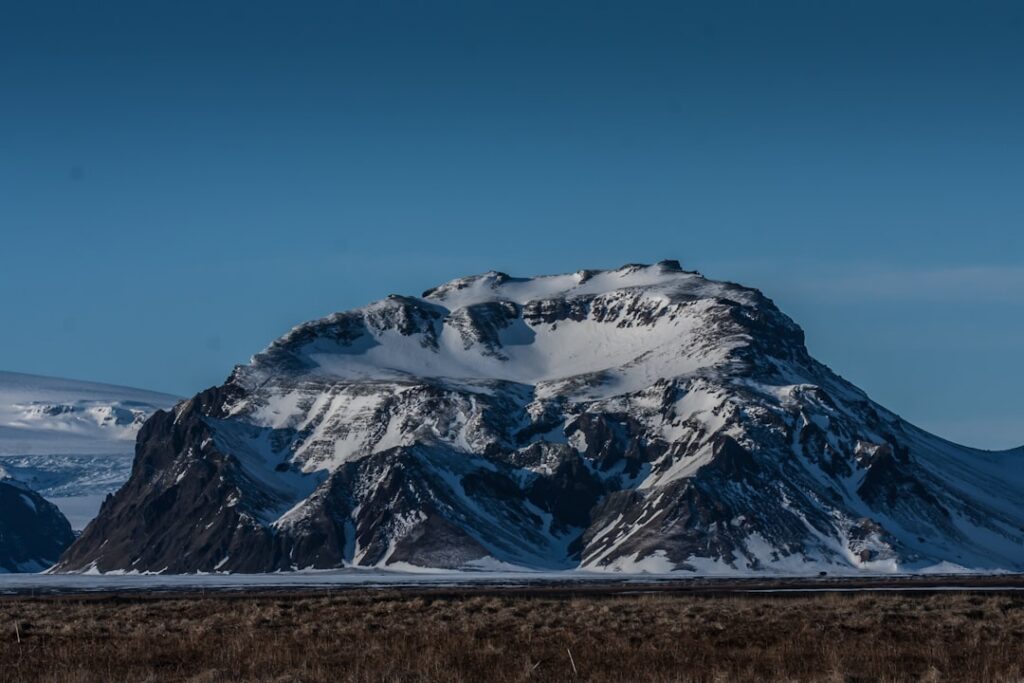
The WMO’s Global Cryosphere Watch brings together national meteorological and hydrological services to build a coordinated global picture of how frozen components of the Earth system are changing. That includes glaciers, sea ice, permafrost, snow cover, and lake and river ice. The programme relies on contributing nations to supply observational data, which is then fed into international climate assessments and early-warning systems.
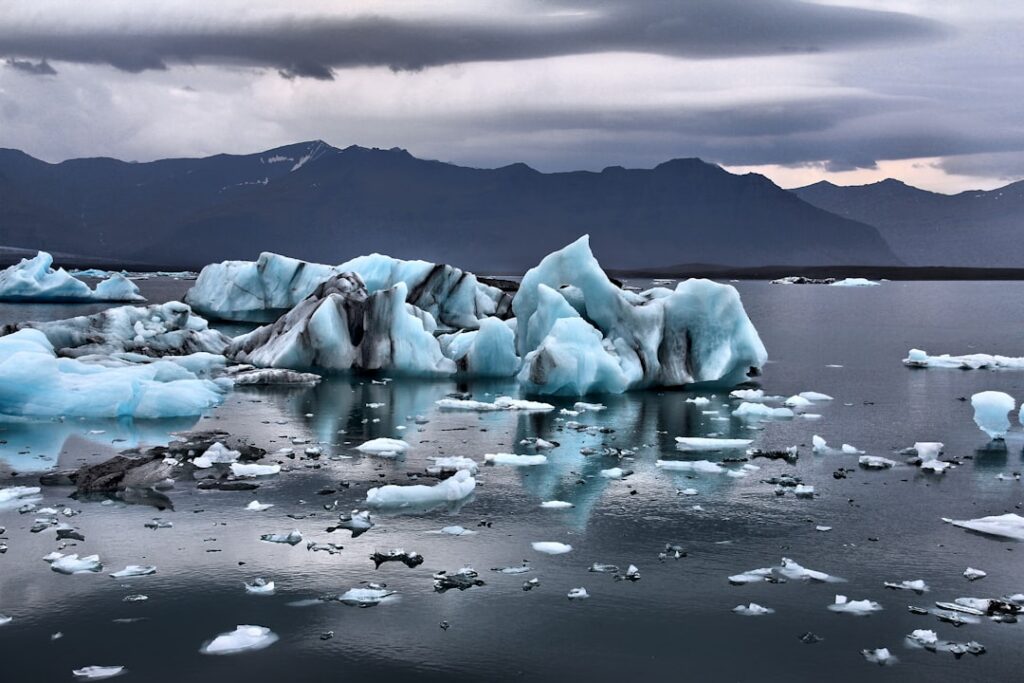
Iceland contributes observational data from a landscape shaped almost entirely by ice-age and volcanic forces. Roughly eleven percent of the country’s surface is covered by glaciers, and the rivers that drain from them supply the majority of Iceland’s hydroelectric power. Changes to glacial mass directly affect water management, flood risk, and energy planning.
Monitoring this environment is not purely academic. Glacial outburst floods — known in Icelandic as jökulhlaup — can occur with little warning, particularly beneath Vatnajökull where sub-glacial volcanic systems remain active. Accurate, internationally shared cryospheric data strengthens the forecasting tools that protect both residents and the infrastructure that runs along Iceland’s Route 1 ring road.
Iceland’s Role in International Climate Monitoring
Veðurstofa Íslands has long maintained a network of weather stations, glacier mass-balance measurements, and hydrological monitoring points distributed across Iceland’s often hostile interior. That infrastructure makes it a credible contributor to global programmes that depend on consistent, long-term datasets.
The WMO framework gives national services like the Icelandic Met Office a formal channel through which their data enters global models. Reports indicate that participation also involves engagement with observation standards — ensuring that measurements taken on Icelandic ice caps can be directly compared with data collected in Greenland, the Himalayas, or the Southern Andes.
Iceland is a member of the WMO through its status as a United Nations member state. The country has ratified major international climate agreements and its government has set domestic targets for carbon neutrality, partly framed around the visible retreat of its glaciers. Scientists have estimated that Okjökull, the first Icelandic glacier declared dead, lost its glacial status in 2014 — a marker that drew international attention to Iceland as a front-line site of climate change.
Why Cryosphere Data Matters Beyond Iceland’s Borders
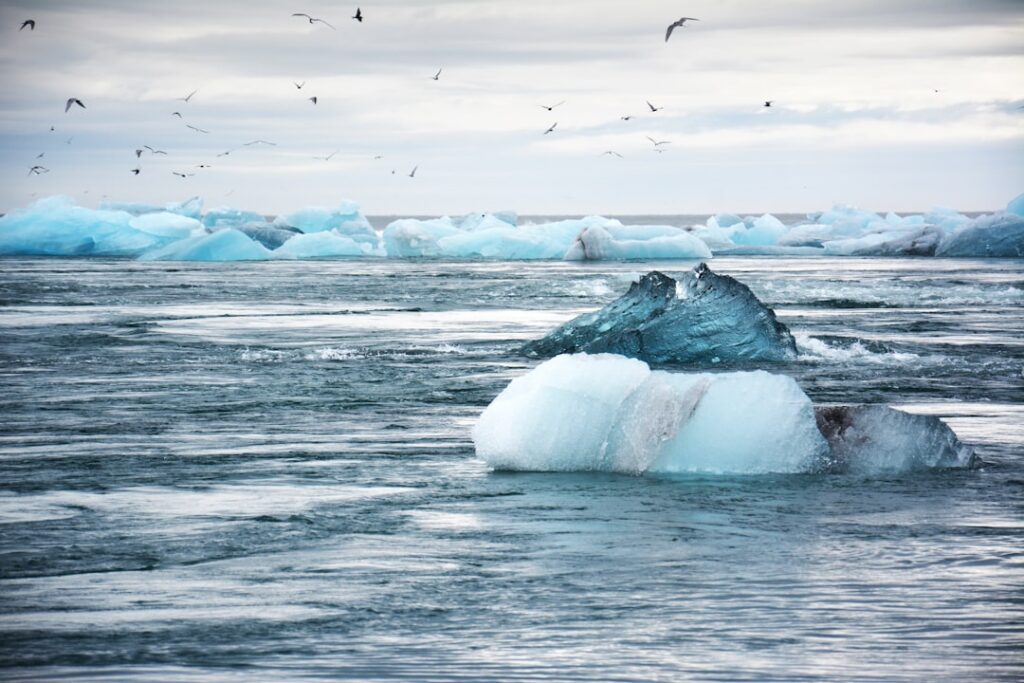
The data generated through programmes like the Global Cryosphere Watch feeds into the reports published by the Intergovernmental Panel on Climate Change, which in turn inform national climate policy across the world. Iceland’s contribution is small by land area but significant in terms of data density and the scientific history behind it. Glaciological surveys in Iceland stretch back over a century.
Officials have not specified the precise scope of the Icelandic Met Office’s new role within the programme, but the involvement signals a deepening of institutional ties between Veðurstofa Íslands and the broader WMO scientific community.
As glaciers across Iceland continue to lose mass each decade, the relevance of consistent, internationally standardized cryosphere monitoring is likely to grow rather than diminish — and with it, the importance of Iceland’s place in the global network.
Original source: Icelandic Met Office — News