












Iceland’s solar eclipse in August 2025 has triggered one of the country’s largest single-day tourism surges in recent memory. Authorities have closed key roads, switched on street lights in affected areas, and issued public warnings urging residents to avoid unnecessary travel as tens of thousands of visitors descend on the island to witness the rare celestial event.
Key takeaways
- Several major roads across Iceland are closed or restricted during the eclipse window due to extreme traffic and safety concerns.
- Icelandic authorities are urging residents to stay home and avoid driving during peak eclipse hours.
- Street lights are being switched on during totality so drivers and pedestrians can see safely in sudden darkness.
- Tourist arrivals have surged sharply ahead of the eclipse, straining infrastructure at key viewing sites.
- Viewers must use certified solar eclipse glasses — looking directly at the sun without protection causes permanent eye damage.
Which roads in Iceland are closed for the solar eclipse?
Traffic management authorities confirmed closures and access restrictions on several routes in the eclipse path, particularly in the south and west of the country where totality or near-totality is visible. Roads leading to popular natural viewpoints — including routes toward Þingvellir National Park, which sits roughly 45 kilometres northeast of Reykjavík and is one of the most sought-after eclipse-watching locations — have faced severe congestion and temporary closures at peak periods.
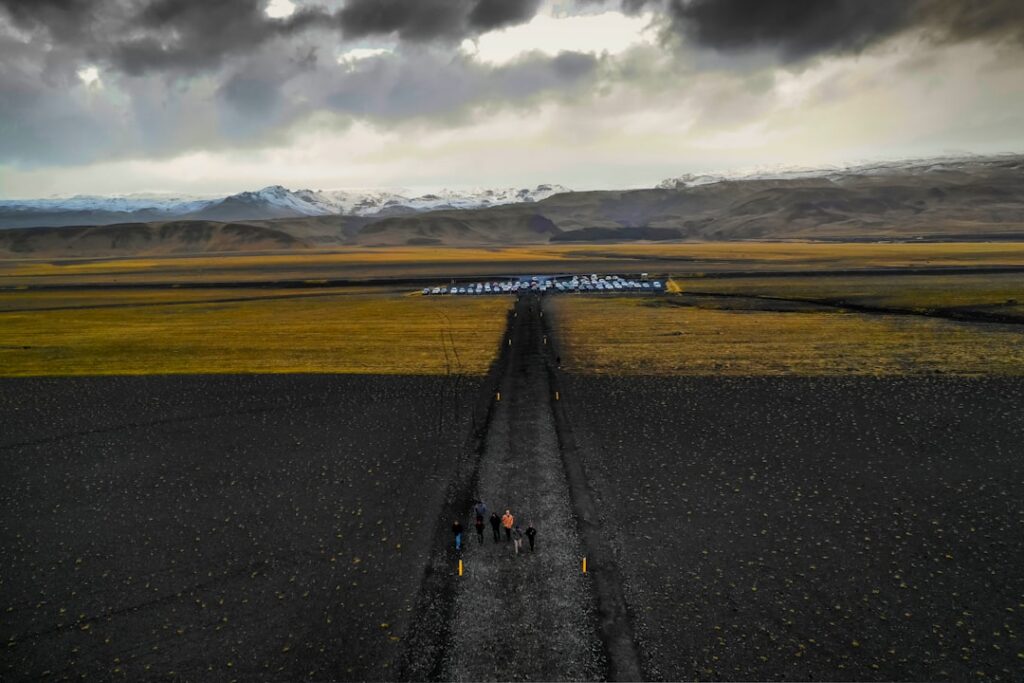
The Hringvegur, Iceland’s Route 1 ring road, has experienced significant disruption in affected stretches, with police directing traffic and enforcing temporary stops to prevent gridlock. Authorities have urged drivers not to pull over on the road’s shoulder to watch the eclipse, as this creates dangerous bottlenecks and blocks emergency vehicle access.
Travellers planning to drive should check real-time road conditions at Vegagerðin (road.is), Iceland’s official Road Administration, before setting out. Conditions are being updated frequently during the event.
Why are Iceland authorities telling people to stay home during the eclipse?
The advice from Icelandic civil protection officials and the Reykjavík Metropolitan Police is rooted in practical safety, not caution for its own sake. The combination of a sudden drop to near-darkness during totality, dense tourist crowds at rural viewpoints, and a spike in road traffic creates serious accident risk — particularly on the narrow, unlit rural roads that connect Iceland’s most scenic spots.
Emergency services warned that response times to accidents on congested rural roads could be severely delayed. Residents are being asked to stay off the road during the eclipse window so that emergency vehicles can move freely. Officials have also flagged risks from eclipse viewers stopping abruptly on fast-moving stretches of road — a pattern seen during previous major celestial events in other countries.
For Reykjavík residents, the city is a viable viewing point and staying local removes significant pressure from rural infrastructure. Officials asked residents to watch from parks, open squares, or their own gardens rather than driving into the countryside.
Are street lights being turned on or off during the Iceland eclipse?
Street lights across affected Icelandic municipalities are being switched on during totality — not off. This is a safety measure. When the eclipse reaches maximum coverage, ambient light drops dramatically and quickly, creating conditions similar to early dusk even in the middle of the day. Roads, footpaths, and public spaces that would normally be fully lit by daylight become hazardous.
Reykjavík Energy and municipal lighting teams coordinated the switch-on ahead of the event. The decision was practical: Iceland’s August days are still bright, and street lamps are typically off during daytime hours. Activating them during totality ensures pedestrians and drivers are not caught in sudden, unexpected darkness.
How many tourists have arrived in Iceland for the solar eclipse?
Precise real-time figures are still being compiled, but tourism industry sources and airport data indicate arrivals at Keflavíkurflugvöllur — Keflavík International Airport, Iceland’s main international hub located about 50 kilometres southwest of Reykjavík — have been running well above normal daily volumes in the days leading up to the eclipse. Icelandair and other carriers operating transatlantic and European routes reported high load factors on inbound flights for this period.
Hotel occupancy in the capital and along the south coast has been effectively sold out for the eclipse window, according to accommodation industry reports. Visitor numbers on this scale are comparable to major festival periods such as the days around New Year and the summer solstice, which typically draw some of the year’s highest single-day arrival figures.
The surge has placed visible strain on petrol stations, supermarkets, and car rental operations along eclipse-path routes, particularly in smaller towns on the south coast such as Selfoss and Hvolsvöllur, where queues and stock shortages have been reported.
What are the official safety guidelines for watching the eclipse in Iceland?
Icelandic health and civil protection authorities issued clear guidance ahead of the eclipse. The core rules are straightforward:
- Use certified eclipse glasses. Standard sunglasses — even very dark ones — do not block enough solar radiation. Only glasses meeting the ISO 12312-2 standard are safe for direct solar viewing.
- Do not drive during totality. The sudden darkness can disorient drivers. Pull over safely and well off the road before the eclipse begins if you are travelling.
- Do not stop on road shoulders. Parking on the hard shoulder of any road to watch the eclipse is illegal and dangerous. Use designated stopping areas or car parks.
- Keep children supervised. The excitement of the event at crowded outdoor sites creates risk for young children near roads or cliffs.
- Check weather forecasts. Iceland’s weather is highly changeable. The Icelandic Meteorological Office, known as Veðurstofa Íslands, publishes hourly forecasts at vedur.is — cloud cover is the main factor determining whether any given site will have a clear view.
- Carry emergency supplies. Anyone watching from remote areas should carry water, warm clothing, and a fully charged phone. August temperatures can drop quickly if cloud or wind moves in.
Visitors who have not secured certified eclipse glasses before arriving should contact accommodation providers or local tourist information centres, as supplies at retail outlets along the south coast sold out quickly in the days before the event.
What this means for travellers already in Iceland
If you are already in Iceland for the eclipse, the single most important step is to plan your viewing location in advance and get there early — well before the eclipse begins. Roads near Þingvellir, the Reykjanes Peninsula, and south coast routes were already experiencing slow-moving traffic in the morning hours before the event.
Those staying in Reykjavík have a reasonable viewing option without driving. The city’s open spaces — including Öskjuhlíð hill near the Perlan museum, which sits at around 61 metres above sea level and offers an unobstructed southern horizon — provide clear sightlines without the need to join road traffic.
Anyone whose travel plans are disrupted should check directly with Icelandair or their carrier for rebooking options, as Keflavík Airport operations can be affected by high-volume arrival and departure periods. Road conditions are updated in real time at road.is.
Frequently asked questions
Is it safe to drive in Iceland during the solar eclipse?
Authorities strongly advise against driving during the peak eclipse window, particularly during totality when light levels drop suddenly. If you must travel, pull off the road at a safe, designated stopping point before the eclipse begins. Do not stop on road shoulders, as this is both illegal and dangerous on Icelandic roads.
Where is the best place to watch the solar eclipse in Iceland?
Þingvellir National Park and the Reykjanes Peninsula are among the most popular sites, offering wide open skies and good sightlines. However, both are heavily crowded this year. Reykjavík’s Öskjuhlíð hill near Perlan is a practical city-based alternative that avoids the worst traffic. Weather is the decisive factor — check Veðurstofa Íslands at vedur.is for hourly cloud forecasts before choosing your site.
Do I need special glasses to watch the Iceland solar eclipse?
Yes. You must use glasses that meet the ISO 12312-2 international safety standard for direct solar viewing. Ordinary sunglasses, camera filters, or improvised filters are not safe and can cause permanent retinal damage. Supplies sold out at many retailers along the south coast before the event — check with your accommodation or a local tourist centre if you have not yet sourced a pair.
Are flights to Iceland affected by the solar eclipse tourism surge?
Flights themselves are not directly disrupted by the eclipse, but high passenger volumes at Keflavík International Airport are causing longer processing and transfer times. Travellers are advised to arrive at the airport with extra time ahead of departures. Check directly with your airline or Isavia, the airport operator, for the latest terminal information.
Will the solar eclipse be visible from Reykjavík?
Yes, the eclipse is visible from Reykjavík, though totality coverage depends on the eclipse path. The city offers a convenient viewing base for visitors who want to avoid driving to rural sites. Cloud cover is the main risk to visibility — Iceland’s weather changes rapidly, so monitor the Icelandic Met Office forecast at vedur.is on the day.