













A hang-glider pilot has been found and taken to hospital after becoming separated from his group during a flight south of Mýrdalsjökull glacier, according to Vísir (visir.is). Search and rescue teams and a Landhelgisgæslan helicopter were deployed to locate him. He is now receiving care at Landspítalann’s emergency department in Reykjavík.
Key takeaways
- A hang-glider pilot went missing after separating from his group south of Mýrdalsjökull.
- Björgunarsveitir (search and rescue teams) and the Coast Guard helicopter joined the operation.
- The pilot has been found and transferred to Landspítalinn for assessment.
- The incident occurred in one of Iceland’s most remote and weather-exposed glacial regions.
The area south of Mýrdalsjökull — the glacier that sits atop the Katla volcanic system — is among the most exposed terrain in Iceland. Winds can shift without warning, and the flat black sandur plains of the south coast offer little shelter. A hang-glider pilot losing contact with fellow flyers in that landscape can quickly become a serious emergency.
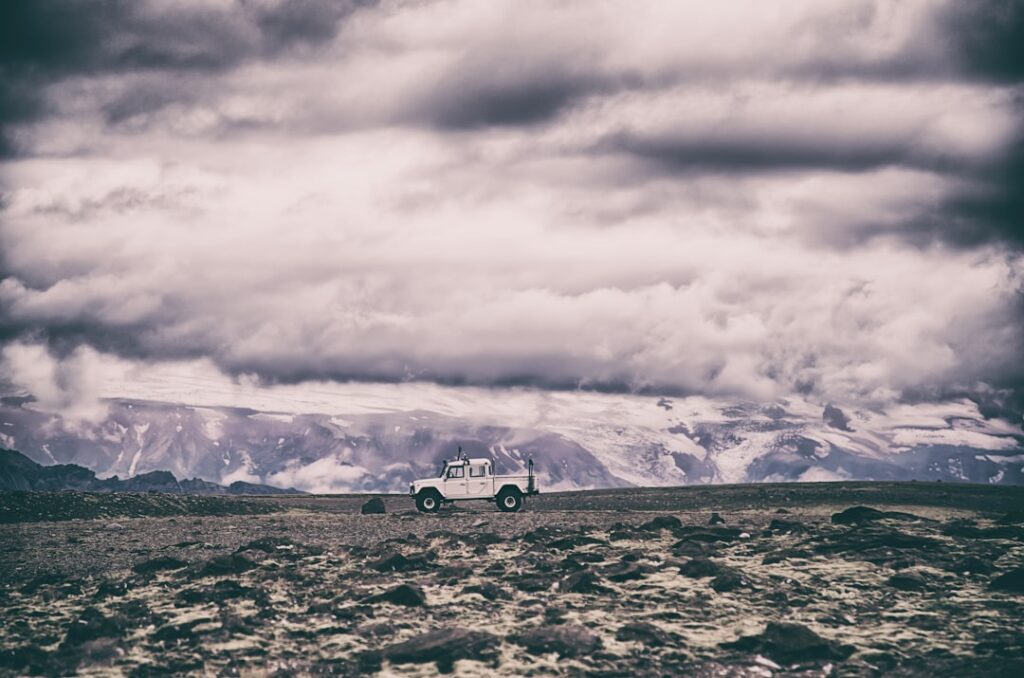
Reports indicate that the pilot experienced difficulties with his hang-glider — the equipment malfunctioned or failed in some way — and he became separated from the others he had been flying with. Exactly when the alert was raised and how long the search lasted were not immediately confirmed.
How Iceland’s search and rescue response works in remote areas
Iceland’s volunteer rescue organisation, known collectively as Björgunarsveitir, forms the backbone of emergency response outside Reykjavík. Teams are drawn from local communities and trained for operations in lava fields, glaciers, river crossings, and open sea margins — terrain that makes Iceland’s backcountry uniquely demanding.
For incidents in southern Iceland, the Coast Guard’s helicopter fleet is frequently called in to cover ground that rescue vehicles simply cannot reach quickly enough. The combination of air and ground teams is standard practice when a person is missing in the glacier margins or the vast black plains of the south coast.
In this case, the Landhelgisgæslan helicopter joined the ground teams in the search south of Mýrdalsjökull. The glacier looms over the coastal lowlands between Vík í Mýrdal and the Þórsmörk valley approaches, and low cloud or glacial winds can complicate both visibility and navigation for search crews.
The pilot was located, and officials confirmed he was transported to Landspítalinn — Iceland’s national university hospital on the western edge of Reykjavík — where he was admitted to the emergency department for examination and treatment. His precise condition was not disclosed in initial reports.
What makes hang-gliding south of Mýrdalsjökull so hazardous?
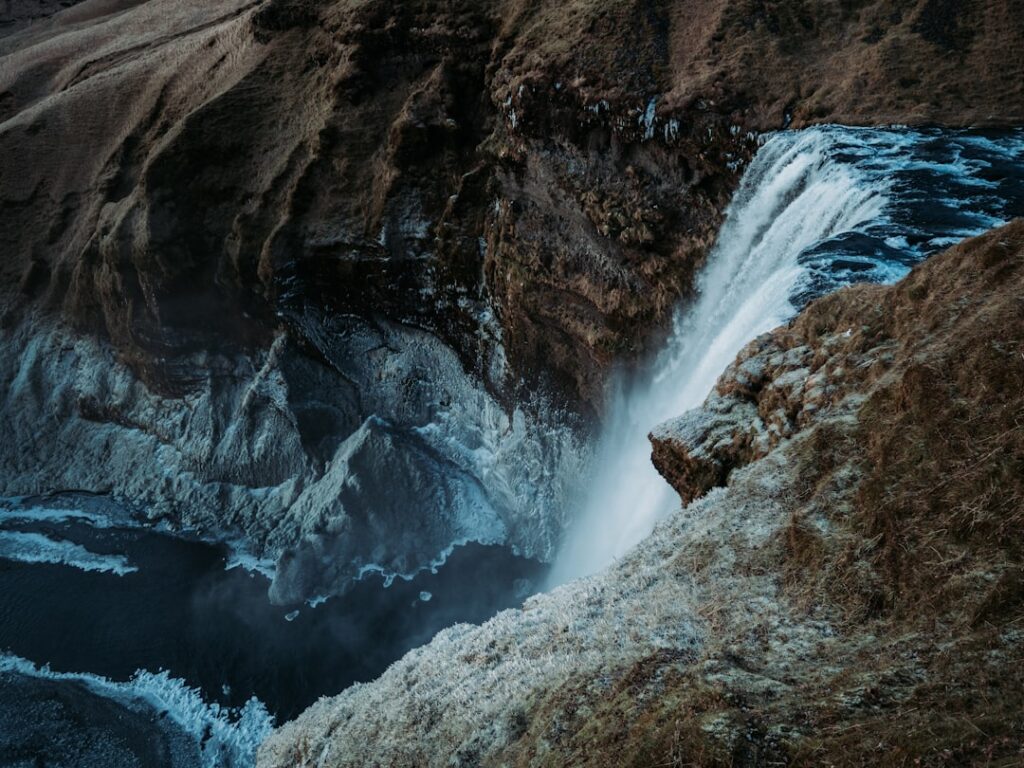
The southern glacial margins are not typical hang-gliding terrain. The region is better known for hiking routes, glacier tours, and the dramatic Skógafoss and Seljalandsfoss waterfalls along Route 1. But the wide open skies, thermal conditions, and dramatic topography do attract pilots seeking a challenge.
The hazard is real. Mýrdalsjökull sits at roughly 1,493 metres at its highest point, and the katabatic winds — cold air draining off the glacier — can accelerate sharply as they funnel toward the coast. A hang-glider caught in a sudden gust, or dealing with a mechanical issue, has very limited options for a controlled landing on the flat, featureless sandur below.
Glacial cloud also forms quickly in this area, especially when warm maritime air from the south collides with cold air off the ice. That combination of terrain, wind, and weather has been the backdrop for many rescue operations in the region over the years.
Björgunarsveitir responded alongside the Coast Guard helicopter — a deployment that reflects how seriously Icelandic authorities treat reports of missing persons in this part of the country, regardless of the cause.
Pilot transferred to Landspítalinn for emergency assessment
Once located, the hang-glider pilot was transferred north to Reykjavík. Landspítalinn’s emergency department, known in Icelandic as bráðamóttaka, is the primary destination for serious cases from across the country when specialist assessment is required. The hospital sits beside Hringbraut on the Fossvogur ridge — a familiar landmark for anyone who has driven into Reykjavík from Keflavík airport.
The nature and severity of any injuries the pilot may have sustained were not confirmed in early reports. Authorities have not released the pilot’s name or nationality.
As the pilot’s condition becomes clearer, further details are expected from health authorities or rescue services in the coming hours.
Frequently asked questions
Where exactly did the hang-glider incident happen?
The incident occurred in the area south of Mýrdalsjökull glacier, in the south of Iceland. This is a remote stretch of glacial outwash plain on the south coast, roughly between the town of Vík í Mýrdal and the broader glacier margins. It is a sparsely populated and weather-exposed region.
Which rescue organisations responded to the callout?
Both Björgunarsveitir — Iceland’s volunteer search and rescue teams — and a helicopter operated by Landhelgisgæslan, the Icelandic Coast Guard, were deployed. This combined air-and-ground response is standard procedure for missing persons in remote southern Iceland.
Where was the pilot taken after being found?
The pilot was transferred to Landspítalinn, Iceland’s national university hospital in Reykjavík. He was admitted to the bráðamóttaka, the emergency department, for examination and care. His condition had not been formally disclosed at the time of initial reporting.
Is hang-gliding common near Mýrdalsjökull?
The area is not a mainstream hang-gliding destination — it is far better known for glacier hikes, waterfall visits, and the Katla volcanic system beneath the ice. However, the open terrain and atmospheric conditions do attract experienced pilots. The combination of glacial winds and rapid weather changes makes it a high-risk environment for any unpowered aircraft.
How does Iceland’s emergency rescue system handle remote incidents?
Iceland relies heavily on volunteer Björgunarsveitir teams coordinated through the national emergency number 112. For remote or large-scale incidents, the Coast Guard’s helicopter fleet provides aerial support. The system is well-practised given the frequency of incidents involving hikers, motorists, and outdoor enthusiasts in Iceland’s demanding landscape.
Original source: Vísir (visir.is)