












Summary
- Key takeaways:
- Traveling in a group allows for shared expenses on transportation, gas, and accommodation.
- Stocking up on groceries at Bónus can significantly cut meal costs and help avoid pricey dining out.
- Utilize Icelandair’s free stopover program to explore Iceland at no extra flight cost.
A road trip around Iceland is one of those rare chances to see an entire country on its own terms. Most visitors land in Reykjavík, tick off the Golden Circle and the Blue Lagoon, and leave without ever reaching the north or east coast. That’s a shame, because some of the most dramatic scenery is out there, far from the tour buses.
The Ring Road also happens to be one of the more economical ways to experience a country that has a well-earned reputation for emptying wallets. These tips won’t make Iceland cheap, but they’ll help you spend smarter.
10 Travel With A Group
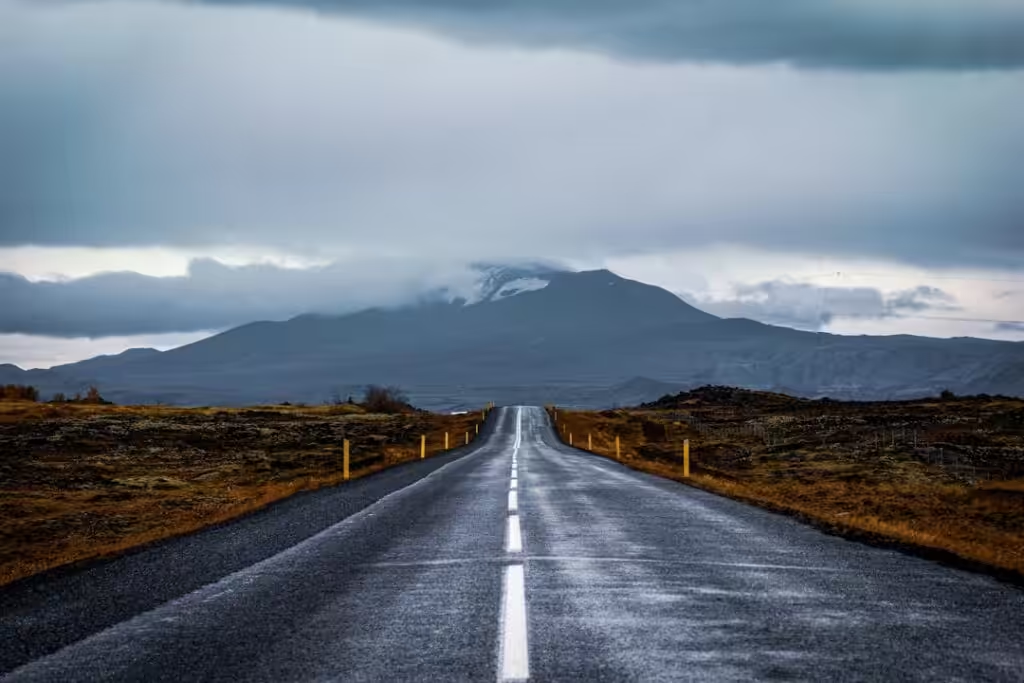
Solo travel has its appeal, and Iceland is genuinely safe for it. But going it alone means every cost lands on you — the rental car, the fuel, the guesthouse bed. Bring a few friends or family members along and those same fixed costs get divided between everyone. A vehicle that costs one person a fortune costs four people very little each.
- How It Cuts Costs: More companions mean shared expenses—think gas, vehicle rental, and lodging.
9 Shop For Groceries At Bónus
Bónus is the budget traveller’s best friend in Iceland. Prices there are noticeably lower than most other supermarkets, and the no-frills layout makes it easy to get in and out quickly. Load up before you leave the city, and plan a top-up stop somewhere like Akureyri as you work your way around the island. Cooking your own meals — even simple ones — makes a real difference when restaurant prices are what they are here.
- How It Cuts Costs: Affordable groceries reduce the need to eat out at restaurants.
8 Use Icelandair’s Free Stopover Program
If you’re flying between North America and Europe, Icelandair’s free stopover program is worth knowing about. You can pause your journey in Iceland for up to seven days at no extra airfare cost. A lot of travellers fly straight through without realising this option exists. What could be a mundane layover becomes a full week to drive the Ring Road — essentially a free country added to your trip.
- How It Cuts Costs: It’s a free addition to your itinerary—just a layover on your way to your final destination.
7 Don’t Spend Too Much Time In Reykjavík
Reykjavík is a genuinely interesting city — the world’s northernmost capital, after all — but it’s also where your money disappears fastest. Hotel rates, bar tabs, and restaurant bills all trend expensive downtown. A night or two is fine, but every extra day in the city is a day you’re not out on the road where the real Iceland is, and where your money goes further.
- How It Cuts Costs: Reduces expenditure on downtown lodging, entertainment, meals, and drinks.
6 Camp Where Possible
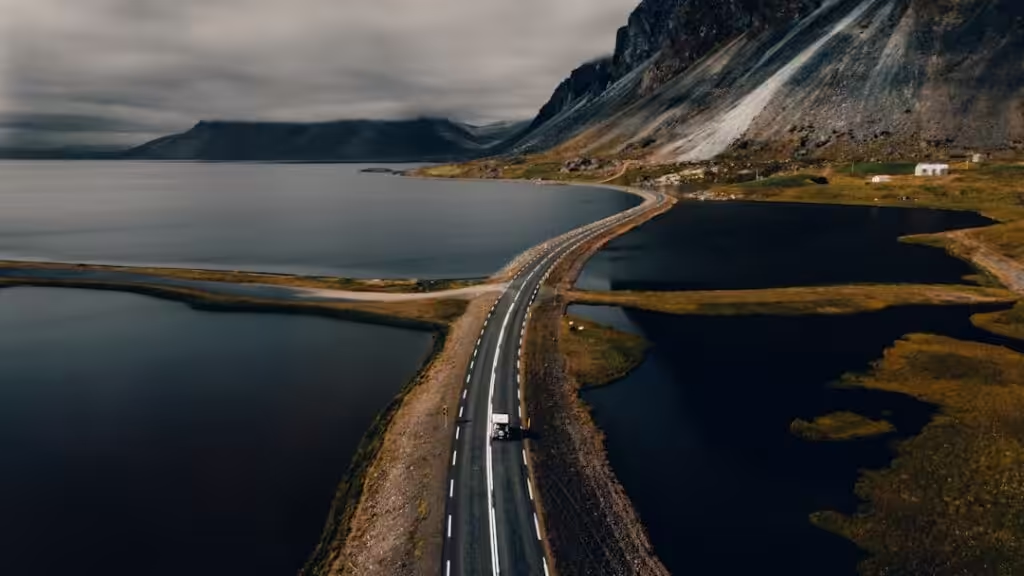
Iceland is well set up for camping, especially in summer. There are no large predators to worry about, the landscape is extraordinary, and waking up next to a glacier or a lava field costs a fraction of what a hotel room would. Even a basic tent setup saves you serious money across a two-week trip.
- How It Cuts Costs: Camping is typically much less expensive than hotel accommodations.
While free camping is an option in certain areas of Iceland, it’s vital to adhere to local regulations aimed at protecting the environment. To ensure a responsible camping experience, consider booking a spot at a designated campsite.
5 Opt For The Free Hot Springs
The Blue Lagoon is iconic, but the entry price reflects that. Iceland has dozens of hot springs that charge nothing at all. The Grotta lighthouse footbath is one easy example — you soak your feet in geothermal water for free while looking out at the sea. Seek these out along your route and you’ll get the same warmth and relaxation without the ticket queue.
4 Visit During The Off Season
January through May is Iceland’s off-season, and prices drop noticeably. Hotels cut rates, tour operators offer deals, and the roads are quieter. Yes, it’s cold, and the days are short. But this is also prime Northern Lights season, and there’s something genuinely special about having the landscape almost to yourself.
- How It Cuts Costs: Competitive pricing helps attract tourists during slower months.
3 Stay In Hostels
Hostels are dotted all around Iceland — you’ll find them in Reykjavík and in small coastal villages alike. Dormitory beds cost a fraction of a hotel room, and many places throw in breakfast or basic toiletries. The quality varies, but there are some genuinely comfortable options out there if you book ahead.
- How It Cuts Costs: Dorm-style accommodations tend to have significantly lower overnight rates, often including breakfast as well.
2 Skip The Souvenirs
Souvenir prices in Iceland are steep — shipping goods to a remote island isn’t cheap, and those costs get passed on. Plenty of travellers, particularly younger ones, have already shifted toward collecting experiences rather than objects. Your photographs and memories don’t cost anything extra, and they don’t need to fit in your luggage.
- How It Cuts Costs: Allows funds to be redirected to more meaningful aspects of your trip.
1 Spend Time Outside
At its core, a budget road trip in Iceland is really just a case of spending as much time outside as possible. The hiking trails, the waterfalls, the lava fields, the free hot springs after a long day on the road — none of it costs anything. Iceland is sometimes called the Land of Fire and Ice, and the best of it is right there in front of you, free of charge.
- How It Cuts Costs: Spending on essentials like accommodation, transport, and food while reveling in free outdoor activities.
A budget road trip around Iceland is entirely doable. You won’t be roughing it — you’ll just be spending your money where it counts.