












An Iceland overtourism sign erected in the Suðursveit district of southern Iceland to steer visitors away from a fragile rural area has done the opposite: photographs of the sign spread rapidly on social media, turning the location into an attraction in its own right. The incident has reignited a national debate about how Iceland manages the roughly two million tourists who visit each year.
Key takeaways
- A warning sign in Suðursveit, southern Iceland, intended to deter tourists went viral and drew larger crowds instead.
- The sign’s blunt, direct language made it highly shareable on social media, producing the opposite of its intended effect.
- Southern Iceland — including the Ring Road corridor, Vík, and glacier access roads — is under the heaviest overtourism pressure in 2025.
- Iceland has no national cap on tourist numbers; management relies on local signage, rangers, and a proposed fee system still under discussion in Alþingi.
- Travellers visiting southern Iceland in 2025 are advised to use the Safe Travel Iceland portal for real-time site conditions and official guidance.
Where in Iceland was the anti-tourist sign put up?
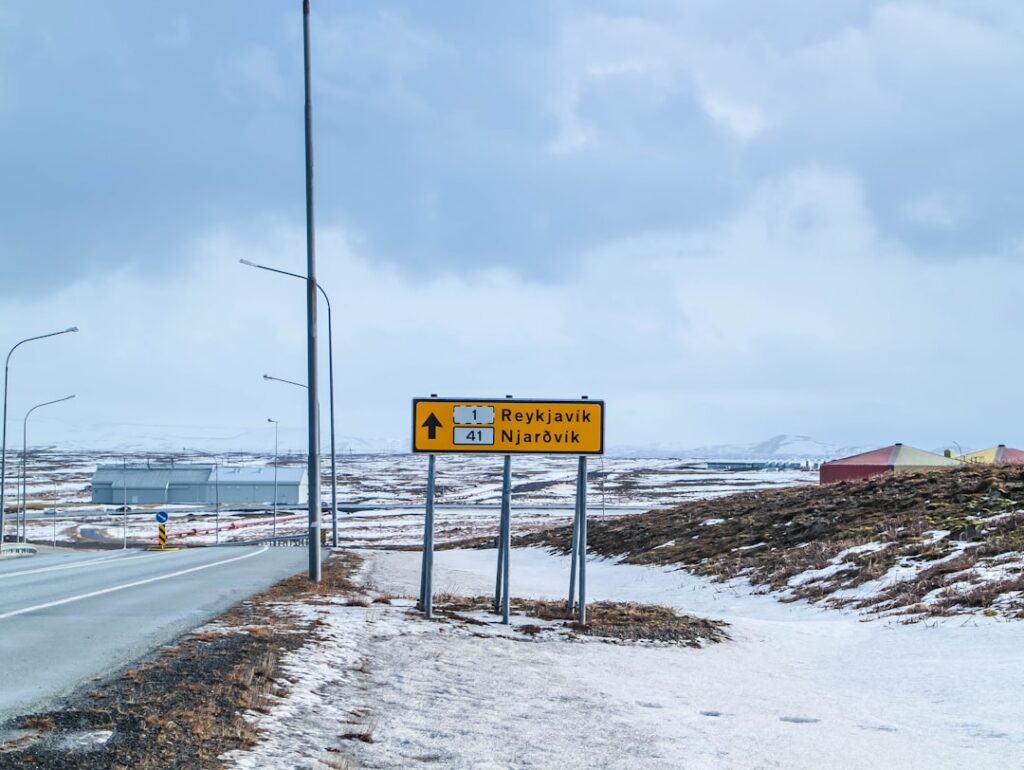
The sign appeared in Suðursveit, a sparsely populated farming municipality in the South Region, situated between the Vatnajökull glacier and the southern coast. The area lies roughly 350 kilometres east of Reykjavík along Route 1, the Ring Road, placing it squarely on the most heavily trafficked tourist corridor in the country. Local farmers and residents put up the sign to protect private land and natural features that had been damaged by foot traffic and off-road driving.
Suðursveit sits close to Skaftafell — part of the Vatnajökull National Park — and within easy reach of Jökulsárlón glacier lagoon. Both are among Iceland’s most visited natural sites. That proximity means the municipality absorbs a significant share of tourist overflow when the main sites feel crowded, which in peak summer can be every single day.
What does the sign say and what was it intended to do?
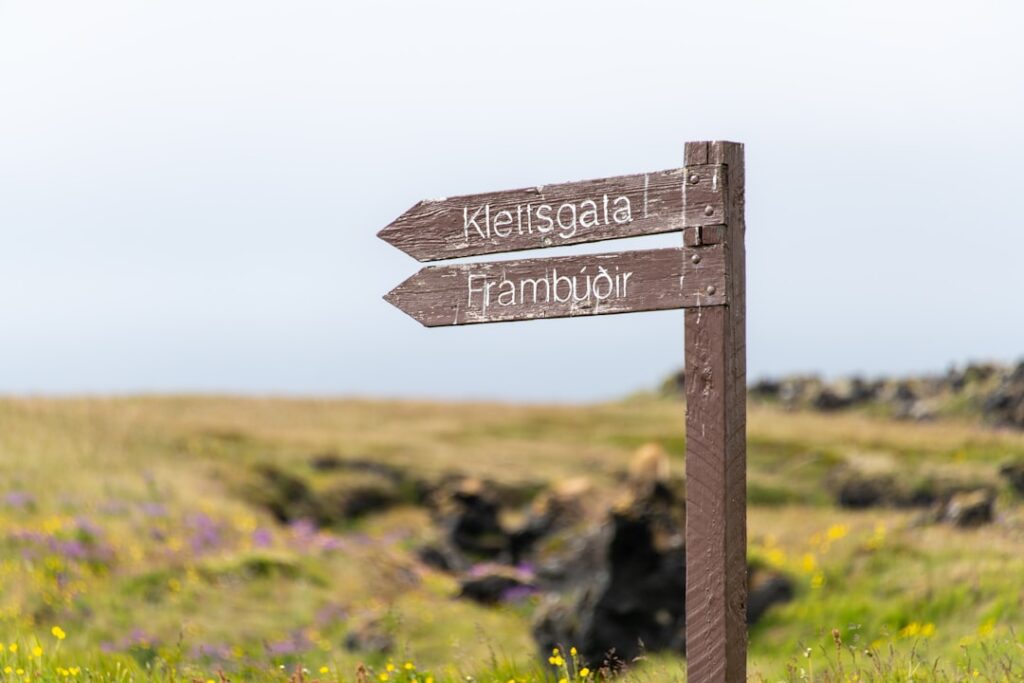
The exact wording of the sign has not been officially released in full, but reports indicate it carried a direct, unambiguous message warning visitors to stay off private land and respect the surrounding environment. Local accounts suggest the tone was deliberately blunt — closer to a legal notice than a polite request — because gentler approaches had already failed to keep visitors on marked paths.
The intention was straightforward: reduce the number of people leaving Route 1 to access private farmland, riverbanks, and unmarked terrain that local landowners say is being visibly degraded season by season. Off-road driving is illegal in Iceland under the Nature Conservation Act, yet enforcement in remote rural areas remains difficult.
Why did the Iceland tourist warning sign backfire?
The sign backfired for a reason well documented in behavioural research: prohibitive or unusual signage triggers curiosity rather than compliance, especially when it photographs well. Within days of appearing, images of the sign circulated on Instagram, Reddit, and TikTok, with users tagging the general location. That tagging effectively created a new point of interest — people began arriving specifically to see, and photograph, the sign itself.
The dynamic fits a pattern seen at other overtourism flashpoints worldwide. Signs warning visitors away from fragile sites in destinations including the Faroe Islands and certain Scottish coastlines have similarly generated viral attention. In Iceland’s case, the effect was amplified because the sign’s directness — and its implicit suggestion of something worth hiding — made it shareable content for travel audiences already primed to look for off-the-beaten-track Iceland experiences.
Local officials acknowledged the outcome with frustration. The sign remains in place, but residents say the volume of visitors coming to photograph it has, at least temporarily, exceeded the number who had been straying onto the land before it was installed.
What locations in Iceland are struggling most with overtourism in 2025?
Southern Iceland bears the greatest pressure. The following sites are consistently flagged by rangers, municipal authorities, and environmental bodies as critically overcrowded during the summer season:
- Seljalandsfoss and Skógafoss — both waterfall sites see coachloads arriving simultaneously, with parking areas overflowing onto the roadside verge.
- Reynisfjara black sand beach near Vík — dangerous sneaker waves have caused multiple fatalities; the beach draws enormous crowds despite repeated safety warnings.
- Fjaðrárgljúfur canyon — closed seasonally in previous years to allow vegetation recovery; access is now managed but still contested.
- Jökulsárlón glacier lagoon — the Diamond Beach shoreline adjacent to the lagoon is heavily impacted by visitor foot traffic.
- Þingvellir National Park — a UNESCO World Heritage Site and the site of Iceland’s ancient parliament, it absorbs day-trippers from Reykjavík year-round.
- Landmannalaugar in the highlands — the trailhead for the Laugavegur trek is badly congested during peak July and August weeks.
Reports from Vatnajökull National Park rangers indicate that Suðursveit itself is increasingly stressed, with visitors abandoning vehicles on road shoulders and crossing unfenced farmland without permission.
What is Iceland doing to manage tourist numbers in rural areas?
Iceland does not currently cap total visitor numbers at a national level. Management instead relies on a patchwork of local measures, some more effective than others.
At the local level, municipalities like Suðursveit have relied on physical signage, fencing, and occasional ranger patrols. The Vatnajökull National Park authority employs seasonal wardens, but coverage across the park’s vast area — at 14,141 square kilometres, it is the largest national park in Europe — is limited.
At the national level, a proposal to introduce a nature conservation fee for foreign visitors has been under discussion in Alþingi (Iceland’s parliament) for several years. As of 2025, no legislation has passed. The fee — modelled partly on systems used in Bhutan and, more recently, Venice — would generate ring-fenced funding for site maintenance and ranger staffing. Supporters argue it would also slightly reduce the volume of purely price-sensitive tourism. Critics, including some in the tourism industry, argue it risks damaging Iceland’s competitiveness as a destination.
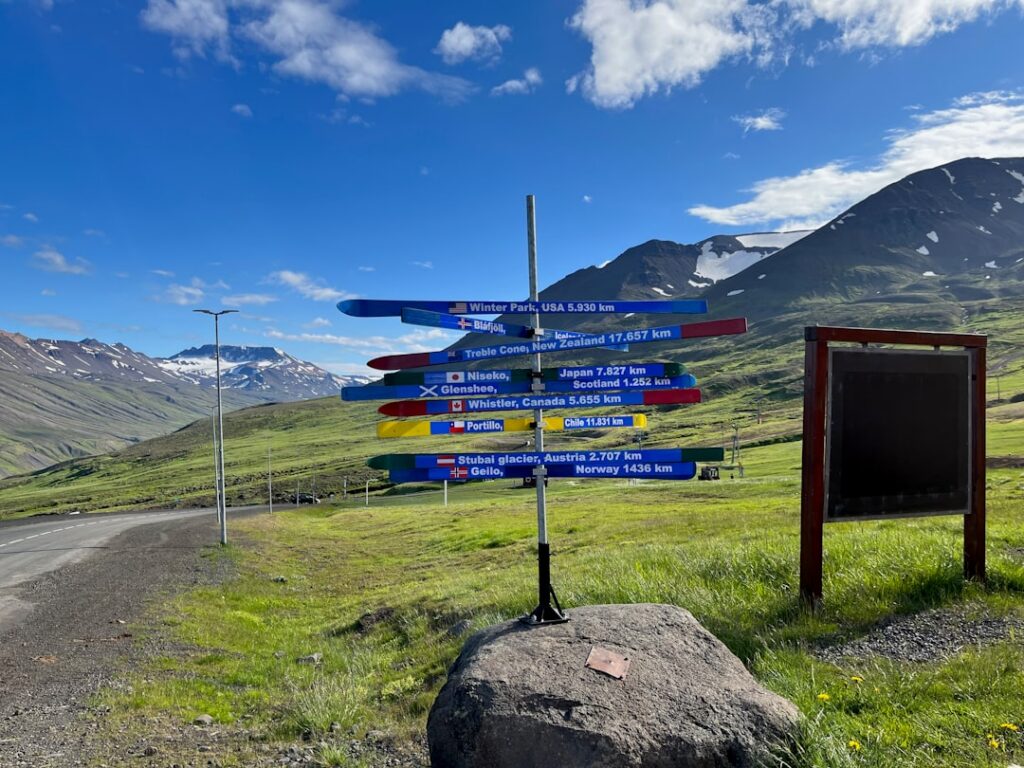
Meanwhile, Íslandsstofa (Business Iceland), the country’s tourism promotion agency, has actively shifted marketing messaging away from fragile natural sites toward lesser-known regions — the Westfjords, the East, and the North — in an attempt to redistribute visitor flows. Early results are mixed; the South Ring Road corridor remains by far the most visited route.
Practical advice for travellers visiting southern Iceland in 2025
If you are planning a trip to the South Region this year, a few steps can reduce your impact and improve your own experience:
- Check Safe Travel Iceland (safetravel.is) before visiting any natural site — it carries real-time closures, weather warnings, and access restrictions.
- Avoid peak hours at major sites. Seljalandsfoss and Skógafoss are significantly quieter before 8 a.m. and after 8 p.m. in summer.
- Stay strictly on marked paths. Off-road driving carries fines starting at several hundred thousand ISK and causes lasting damage to Iceland’s thin, slow-recovering soil.
- Book accommodation in smaller villages — Kirkjubæjarklaustur rather than Vík, for example — to spread economic benefit and reduce congestion at the most crowded stops.
- Do not share precise GPS coordinates of unmarked or sensitive locations on social media. The Suðursveit sign incident is a direct demonstration of why this matters.
Frequently asked questions
Where exactly is Suðursveit in Iceland?
Suðursveit is a rural municipality in the South Region of Iceland, located along Route 1 (the Ring Road) approximately 330–360 kilometres east of Reykjavík. It sits between the southern edge of Vatnajökull, Europe’s largest glacier, and the North Atlantic coast, close to Skaftafell and Jökulsárlón. The area is farmland with a small permanent population.
Is the viral Iceland overtourism sign still there?
Reports from local residents indicate the sign remains in place as of the time of publication. However, because the sign’s location is on or adjacent to private land, visiting specifically to see it is itself an example of the behaviour it was meant to prevent. Travellers are asked to respect any fencing and private property in the area.
Does Iceland charge tourists an entry fee in 2025?
Iceland does not currently charge a national tourist entry or nature conservation fee. A fee has been debated in Alþingi for several years but has not been legislated as of 2025. Some individual sites, such as certain caves and guided glacier walks, charge access fees set by operators or national park authorities.
What is Iceland’s overtourism problem and why is it getting worse?
Iceland receives roughly two million visitors per year against a resident population of around 380,000 — a visitor-to-resident ratio that is among the highest of any country in the world. The majority of tourists concentrate on the South Ring Road corridor between Reykjavík and Jökulsárlón, placing intense pressure on a handful of natural sites. Growth in budget flights and the global rise of social-media-driven travel have both accelerated the trend in recent years.
What should I do if I see someone damaging nature in Iceland?
You can report environmental violations in Iceland to the Umhverfisstofnun (Environment Agency of Iceland) or contact the Vatnajökull National Park authority if the incident occurs within park boundaries. Off-road driving can also be reported to the local police. The Safe Travel Iceland platform (safetravel.is) provides emergency contacts and guidance.