













A woman has died after a hang glider crashed into cliffs in Iceland, in a fatal accident that has shocked both the local adventure-sports community and international observers. The crash, which occurred at a coastal cliff site, is being investigated by Icelandic authorities. It is one of the most serious hang gliding fatalities recorded in the country in recent years.
Key takeaways
- A woman was killed when a hang glider struck cliffs in Iceland — the accident is under active investigation.
- The exact location is a cliff-side site known for adventure and aerial sports activity; the precise location has not been officially confirmed at time of publication.
- No other fatalities have been reported, but it is unconfirmed whether additional people were injured.
- Icelandic authorities, including the Samgöngustofa (Icelandic Transport Authority), oversee aviation and air-sports safety in Iceland.
- Travellers considering adventure air sports in Iceland should verify operator licensing and weather conditions before flying.
Where in Iceland did the hang glider crash occur?
Reports from Icelandic media indicate the crash took place at a cliff location in Iceland, where hang gliders and paragliders are known to launch and fly over dramatic coastal or highland terrain. Iceland’s rugged geography — characterised by sheer basalt cliffs, sudden wind shifts, and rapidly changing weather — makes aerial sports both spectacular and technically demanding. The specific site had not been officially confirmed by name at the time of publication, and IcelandNow will update this article as authorities release details.
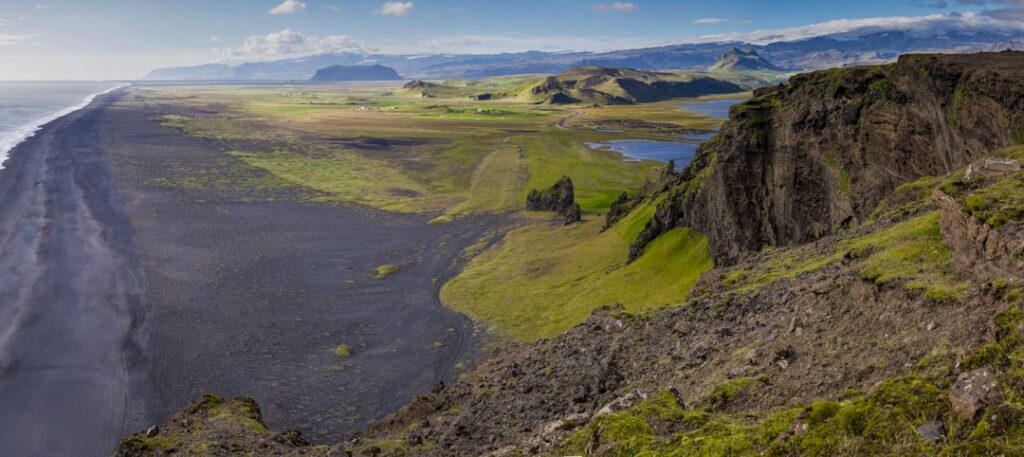
Iceland’s cliff-lined coastlines, particularly along the South Coast and the Snæfellsnes peninsula in the West, are popular with adventure pilots. However, these same landscapes create unpredictable microclimates that can change within minutes, posing serious risks even to experienced pilots.
Who was the woman killed in the Iceland hang glider accident?
The identity of the woman killed has not been publicly released by Icelandic authorities at time of publication. In Iceland, it is standard practice for the Lögreglan (Icelandic Police) to withhold the name of a deceased person until next of kin have been formally notified. Her nationality, age, and whether she was a resident or visiting tourist have not been confirmed by official sources. IcelandNow is monitoring official channels and will publish confirmed details as soon as they are released.
What caused the hang glider to hit the cliffs?
The exact cause of the crash has not been formally determined, as the investigation is ongoing. However, several factors are known to make hang gliding near Icelandic cliffs particularly hazardous:
- Rotor turbulence: Cliffs can generate severe rotors — violent, invisible pockets of air caused when wind strikes a vertical surface and curls back on itself. These can instantly destabilise a glider.
- Sudden wind shifts: Iceland’s sub-Arctic weather systems can reverse wind direction within seconds, especially at cliff edges and headlands.
- Thermal instability: The contrast between cold ocean air and warmer land creates unpredictable thermal activity that can overwhelm pilot control.
- Visibility conditions: Low cloud, sea mist, and fog are common along Icelandic coasts and can reduce a pilot’s ability to judge distance from rock faces.
Authorities have not yet attributed the crash to any of these specific causes. An official investigation is expected to examine weather records, equipment condition, and pilot experience. In Iceland, air-sport accidents of this nature fall under the jurisdiction of the Samgöngustofa and may also involve the Rannsóknarnefnd samgönguslysa (Accident Investigation Board of Iceland), depending on the aircraft classification.
Were any other people injured in the crash?
At the time of publication, reports confirm one fatality — the woman piloting or riding in the hang glider. Whether any other individuals were aboard or were injured nearby has not been officially confirmed. Emergency response personnel attended the scene, but the full scope of the incident, including how many people were involved, remains subject to the ongoing investigation. IcelandNow will update this section as the situation develops.
What is the safety record for hang gliding and adventure sports in Iceland?
Iceland has a growing adventure-tourism sector, and aerial sports — including paragliding, hang gliding, and powered aircraft — attract both domestic enthusiasts and international visitors. The country’s dramatic scenery makes it a compelling destination for aerial adventure. But serious accidents, while not common, do occur.
The Samgöngustofa regulates all aviation activity in Iceland, including light aircraft and air-sports equipment. Operators offering hang gliding or paragliding to tourists are required to hold valid licences and meet safety standards. However, informal or unsanctioned flying at cliff sites is not unheard of, and authorities have previously urged pilots to check conditions with Veðurstofan — the Icelandic Meteorological Office — before any flight.
Iceland’s accident rate for adventure sports has drawn increased scrutiny in recent years as tourist numbers have risen sharply. Fatal incidents in activities such as glacier hiking, sea kayaking, and river rafting have prompted calls for stronger regulation of tour operators and independent adventurers alike. A fatal hang glider crash of this nature will likely renew that conversation among safety authorities and the tourism industry.
What travellers should know before booking aerial adventure sports in Iceland
If you are planning to hang glide, paraglide, or take part in any aerial sport in Iceland, safety checks are not optional — they are essential. Before booking or flying, consider the following:
- Verify that your operator holds a current licence issued by the Samgöngustofa.
- Check the latest weather forecast at vedur.is — Iceland’s official meteorological authority — for your specific location and altitude.
- Ask your operator about their cancellation policy for adverse weather; a reputable operator will cancel rather than fly in marginal conditions.
- Confirm that full safety briefings, appropriate equipment, and emergency protocols are included in any guided flight experience.
- Independent pilots should file their planned route and ensure a ground contact knows their schedule.
This is a developing story. IcelandNow will continue to update as official information becomes available from Icelandic police and transport authorities.
Frequently asked questions
Where exactly did the Iceland hang glider crash happen?
The precise location had not been officially confirmed at the time of publication. Icelandic media reports indicate the crash involved a hang glider striking cliffs, but authorities had not named the specific site. IcelandNow will update this article when the location is officially confirmed.
Is hang gliding legal in Iceland?
Yes, hang gliding is a legal activity in Iceland and is regulated by the Samgöngustofa (Icelandic Transport Authority). Operators and pilots must meet licensing and safety requirements. Both commercial operators offering tourist experiences and private pilots are subject to these rules.
Is Iceland safe for adventure tourists?
Iceland is generally a safe country, but its dramatic natural environment — including extreme weather, powerful surf, and volcanic terrain — creates genuine risks for adventure activities. Tourists are strongly advised to use licensed operators, check weather forecasts at vedur.is, and never underestimate the speed at which conditions can change. Icelandic authorities have repeatedly urged visitors not to take risks in unfamiliar terrain.
Who investigates aviation accidents in Iceland?
Aviation and air-sport accidents in Iceland are initially handled by the Lögreglan (Icelandic Police) and may be referred to the Rannsóknarnefnd samgönguslysa (Accident Investigation Board of Iceland). The Samgöngustofa also has a regulatory role in reviewing operator compliance following serious incidents.
Has a hang glider crashed in Iceland before?
Hang gliding and paragliding incidents have occurred in Iceland previously, though fatal crashes are rare. Iceland’s unpredictable wind conditions and cliff terrain are known risk factors for aerial sports. This latest fatality is among the most serious on record and is likely to prompt a review of safety standards and site regulations by Icelandic authorities.