













Dangerous driving conditions have developed across Austurland and the region south of Vatnajökull, with authorities urging motorists — particularly those towing trailers — to check road conditions carefully and reconsider travel before setting out, according to Morgunblaðið (mbl.is).
Key takeaways
- A hazardous weather warning is in effect for Austurland and the area south of Vatnajökull.
- Drivers towing trailers or aftanívagnar are specifically advised to assess conditions before travelling.
- Authorities recommend checking road.is and Veðurstofan for live updates before departure.
- The affected region covers some of Iceland’s most exposed and remote highland-edge routes.
- Conditions may change rapidly, as is typical for weather systems moving off Vatnajökull.
The warning covers a stretch of Iceland that is well understood to be among the country’s most weather-exposed. Austurland — the East of Iceland — sits on the far side of Vatnajökull, Europe’s largest glacier, and the area immediately south of that ice cap is notorious for sudden, powerful wind events and rapidly shifting visibility. For anyone unfamiliar with these roads, the warning carries real weight.
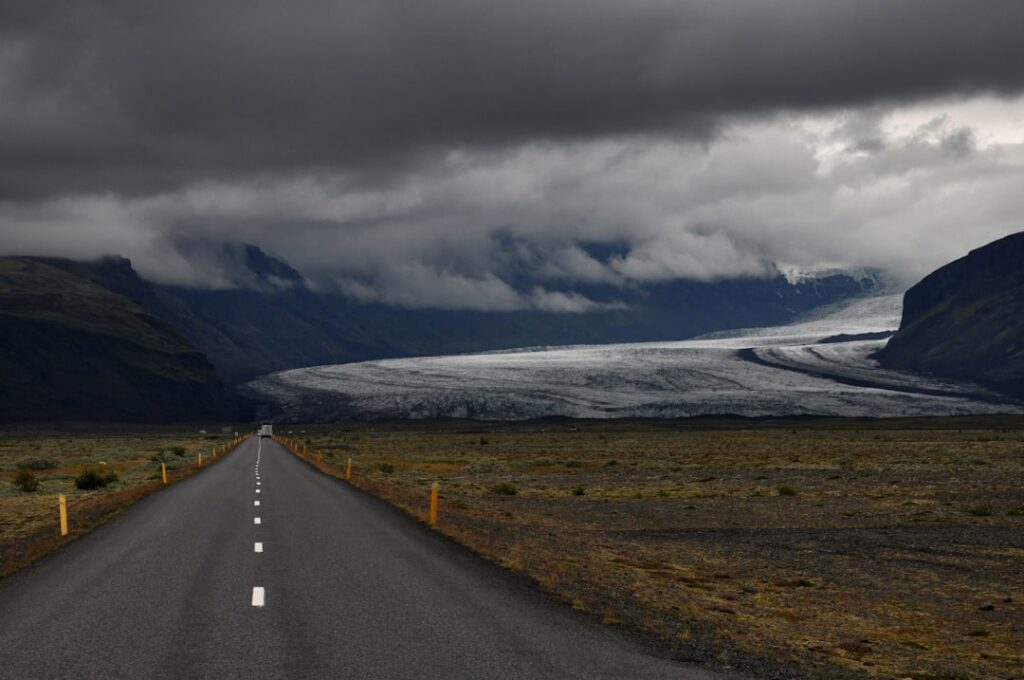
The specific concern raised is for drivers hauling trailer units, known in Icelandic as aftanívagnar. In strong crosswinds — which are common along the southern flank of Vatnajökull, particularly on the ring road stretches between Höfn í Hornafirði and the glacier’s southern edge — trailers can become dangerously unstable. This is not an abstract risk. Local emergency services have dealt with trailer rollovers on these roads in past storm events.
What the weather warning means for drivers in Austurland
Reports indicate conditions are hazardous enough that even experienced drivers should pause before committing to the route. The advice is unambiguous: check conditions, and think twice.
Veðurstofan, Iceland’s Meteorological Office, maintains a live warning map that covers the whole country and is updated regularly throughout the day. Road conditions are tracked separately by Vegagerðin, the Icelandic Road and Coastal Administration, through its public portal at road.is. Both tools are essential for anyone planning to drive in the affected areas during an active weather warning.
The roads in this part of Iceland are not forgiving. South of Vatnajökull, the landscape opens into wide, flat outwash plains — the famous sandur — where there is nothing to break the wind. Gusts can come sideways with very little warning. The same geography that makes this stretch of the ring road so dramatic for travellers also makes it one of the most technically demanding drives in the country when conditions deteriorate.
Why Vatnajökull’s southern routes are particularly exposed
Vatnajökull covers roughly 8,100 square kilometres of Iceland’s interior. Weather systems that build over or behind the glacier can descend onto the southern coastal plain with considerable force. The temperature differential between the ice mass and the relatively warmer coastal air frequently generates strong, gusty outflow winds — the kind that catch high-sided vehicles and trailer combinations hardest.
Höfn í Hornafirði, the main town in Austurland’s southern corner, sits at the eastern end of this exposed corridor. Drivers heading east from Vík í Mýrdal along Route 1 pass through Kirkjubæjarklaustur and then across the sandur plains — Skeiðarársandur and Breiðamerkursandur — before reaching Höfn. This is the stretch most directly affected by warnings of this type.
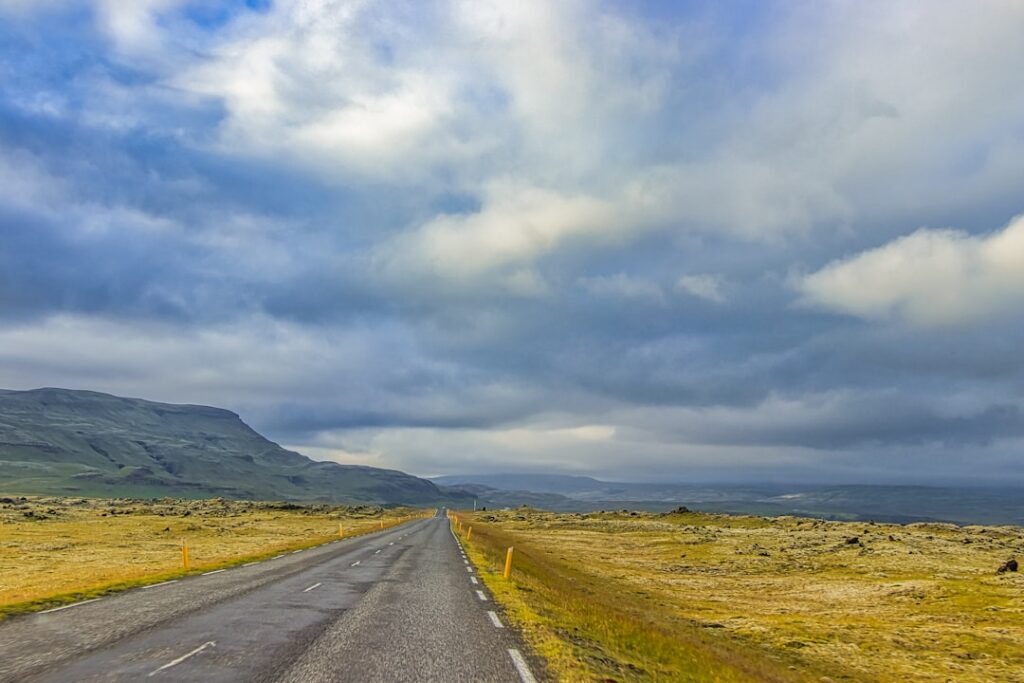
Summer weather in Iceland can mislead visitors. A clear morning in Reykjavík offers no guarantee of conditions 400 kilometres to the east. Weather in the Austurland region operates on its own terms, and the gap between a fine day and a dangerous one can close within hours.
Should you delay your journey east?
Anyone planning to drive through the affected area — especially those with campervans, caravans, or loaded trailers — should monitor both road.is and Veðurstofan’s warning page before departing. If a yellow or orange warning is in place, the standard advice from Icelandic authorities is to delay travel or take an alternative route where one exists. In this part of the country, alternatives are limited.
Local petrol stations and guesthouses along Route 1 east of Kirkjubæjarklaustur are often the best sources of real-time, ground-level information from people who drove the road that morning. That kind of local knowledge still counts for a great deal in Iceland’s east.
Drivers who choose to press on despite the warning are advised to reduce speed significantly, maintain a firm grip on the wheel through exposed sections, and be prepared to pull over safely if conditions worsen. Icelandic emergency services — 112 Iceland — remain on call around the clock.
Forecasters will continue to assess the situation as the weather system develops, and updates are expected throughout the day.
Frequently asked questions
Which roads are affected by the Austurland weather warning?
The warning covers Austurland and the region immediately south of Vatnajökull. This includes sections of Route 1 — the ring road — running across the sandur plains between Kirkjubæjarklaustur and Höfn í Hornafirði, as well as routes in the eastern region more broadly. Drivers should check road.is for specific road statuses before travelling.
Why are trailer drivers specifically warned?
Trailers and caravan units are particularly vulnerable to strong crosswinds, which are common along the flat, exposed stretches south of Vatnajökull. The lack of natural windbreaks on the sandur plains means gusts can hit vehicles broadside with little warning. A loaded trailer can destabilise a vehicle quickly in these conditions, making the risk significantly higher than on sheltered roads.
Where can I check live road conditions in Iceland?
The Icelandic Road and Coastal Administration, Vegagerðin, runs road.is, which provides live updates on road conditions, closures, and restrictions across the country. Veðurstofan, the Meteorological Office, publishes weather warnings at vedur.is. Both should be checked before driving in any area under an active warning.
Is it safe to drive in Iceland during a weather warning?
It depends on the severity of the warning and the type of vehicle. Yellow warnings indicate caution is needed; orange and red warnings mean conditions are seriously hazardous. Icelandic authorities recommend avoiding non-essential travel during orange and red warnings. Trailer users, high-sided campervans, and inexperienced drivers on unfamiliar roads should be especially conservative in their decisions.
How quickly can weather conditions change in Austurland?
Very quickly. Weather systems moving off Vatnajökull can transform conditions from calm to dangerous within a matter of hours. A clear morning does not guarantee safe conditions by midday. Travellers in the east of Iceland are advised to check forecasts multiple times on travel days rather than relying on a single morning check.
Original source: Morgunblaðið (mbl.is)