













Visit Iceland in 2026 and you’ll arrive at a genuinely rare moment: a solar maximum that could supercharge the Northern Lights until 2029, a total solar eclipse crossing the west of the island on August 12, new geothermal lagoons opening along the South Coast, and fresh lava fields you can walk through on guided tours near Grindavík.
Key takeaways
- The 2026 solar maximum means more frequent, more intense Northern Lights — potentially through 2029.
- A total solar eclipse on August 12, 2026, will be visible across western Iceland — a once-in-a-generation event.
- New luxury geothermal lagoons are opening in 2026, including Reykjaböð near Hveragerði on the South Coast.
- Guided tours of the Grindavík lava fields offer a rare chance to walk through Iceland’s youngest volcanic terrain.
I’ve lived in Reykjavík long enough to know Iceland always has something going on, but 2026 feels different. The convergence of solar and volcanic events, combined with genuinely new infrastructure, makes this one of the strongest years to plan a visit in recent memory.
Volcanic Iceland in 2026: Safe to Visit and Worth Seeing
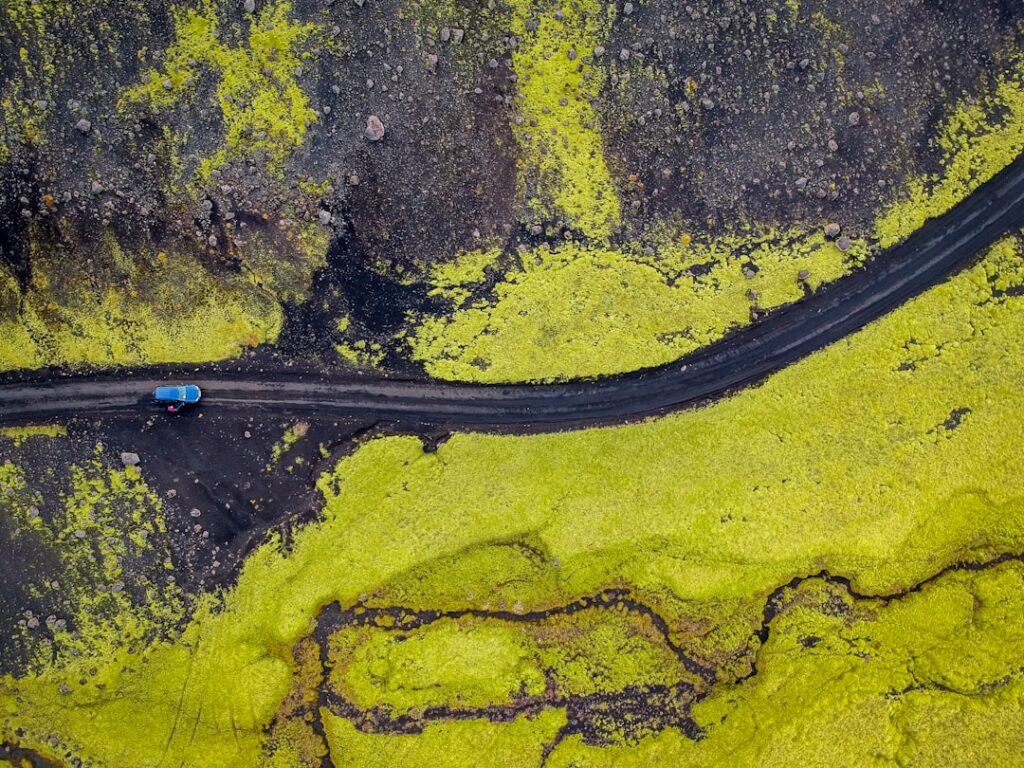
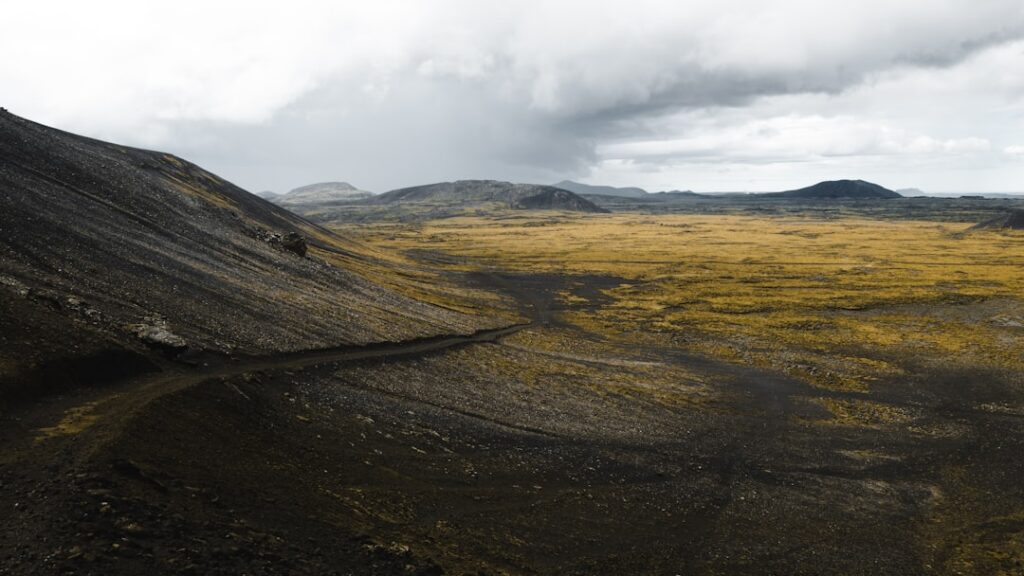
The Reykjanes Peninsula, about 45 minutes southwest of Reykjavík by car, has been the epicenter of Iceland’s recent volcanic activity. The Fagradalsfjall and Sundhúkagígar eruptions reshaped stretches of land that, not long ago, were simply empty heath. The resulting lava fields are now accessible through guided tours, and Grindavík — the small fishing town that bore the brunt of repeated evacuations — reopens to visitors when conditions allow, offering something genuinely sobering and worth your time.
The volcanic activity here is non-explosive, which means air travel and road access remain unaffected. The Icelandic Meteorological Office (Veðurstofan) monitors eruptions in real time, and their public updates are the most reliable tool for checking conditions before you head south. Don’t skip the lava fields because they sound dangerous — they’re not, and there’s nothing else like them on earth right now.
The Blue Lagoon, situated right in the middle of this volcanic zone, does take brief closures when eruptions flare nearby. Plan a backup. There are plenty of them.
New Geothermal Spas and the Best Time to Visit Iceland in 2026
Iceland’s spa scene is expanding fast, and 2026 brings two additions worth building an itinerary around. Reykjaböð, a new luxury geothermal lagoon opening just outside Hveragerði on the South Coast, sits near the Reykjadalur hot river valley — a route I walk regularly. Its location makes it a natural stop on any South Coast day trip. Meanwhile, Árböðin (the River Baths) opened in the village of Laugarás, just off the Golden Circle, overlooking the Hvítá River. It’s designed by T.ARK, the same firm behind the Sky Lagoon, and features a sauna, cold plunge, swim-up bar, and restaurant. These aren’t gimmicks — they reflect a genuine maturation of Iceland’s geothermal tourism offer.
For the Northern Lights, visit between September and March, when nights are long enough to see them. But 2026’s solar maximum means even a clear autumn evening in late September could deliver something extraordinary. For the total solar eclipse on August 12, position yourself in western Iceland — the Snæfellsnes Peninsula or the Reykjanes area fall within the path of totality. Book accommodation early; eclipse chasers from across Europe are already paying attention.
Summer travelers should note that demand for off-the-beaten-path tours — particularly ice cave expeditions and Highland routes — continues to grow. If you want the Highlands, go in July or August when the F-roads are open, and rent a proper 4WD. The interior is not a place to improvise.
Frequently asked questions
Is Iceland safe to visit with ongoing volcanic activity in 2026?
Yes. The eruptions on the Reykjanes Peninsula are non-explosive and do not disrupt air travel or most road access. Guided tours of lava fields near Grindavík operate safely, and Veðurstofan publishes real-time updates so you can monitor conditions before traveling south.
When is the best time to visit Iceland in 2026?
It depends on what you want. The August 12 total solar eclipse makes that date unmissable if you’re in western Iceland. For the Northern Lights, September through March gives you the dark skies you need. Summer (June–August) is best for Highland access and midnight sun.
What new attractions are opening in Iceland in 2026?
Reykjaböð, a geothermal lagoon near Hveragerði on the South Coast, is opening in 2026. Árböðin (the River Baths) near Laugarás on the Golden Circle is also newly open, featuring architecture by T.ARK and a full suite of spa amenities.