













A Drangey Island tour in Skagafjörður drew enthusiastic visitors who peppered their guide with questions about the island’s seabirds and passing whales, according to Iceland Monitor (mbl.is English). Viggó Jónsson, the longtime guide widely known as the “Lord of Drangey,” described the group as exceptional climbers who took the island’s steep basalt cliffs entirely in their stride.
Key takeaways
- Viggó Jónsson, the “Lord of Drangey,” led the tour on Drangey Island in Skagafjörður.
- Visitors showed strong interest in the island’s seabird colonies and whale sightings nearby.
- The group handled the island’s notoriously steep cliffs with ease, impressing the guide.
- Drangey is one of north Iceland’s most historically and ecologically significant landmarks.
- The island is accessible only by boat and remains a working nature reserve.
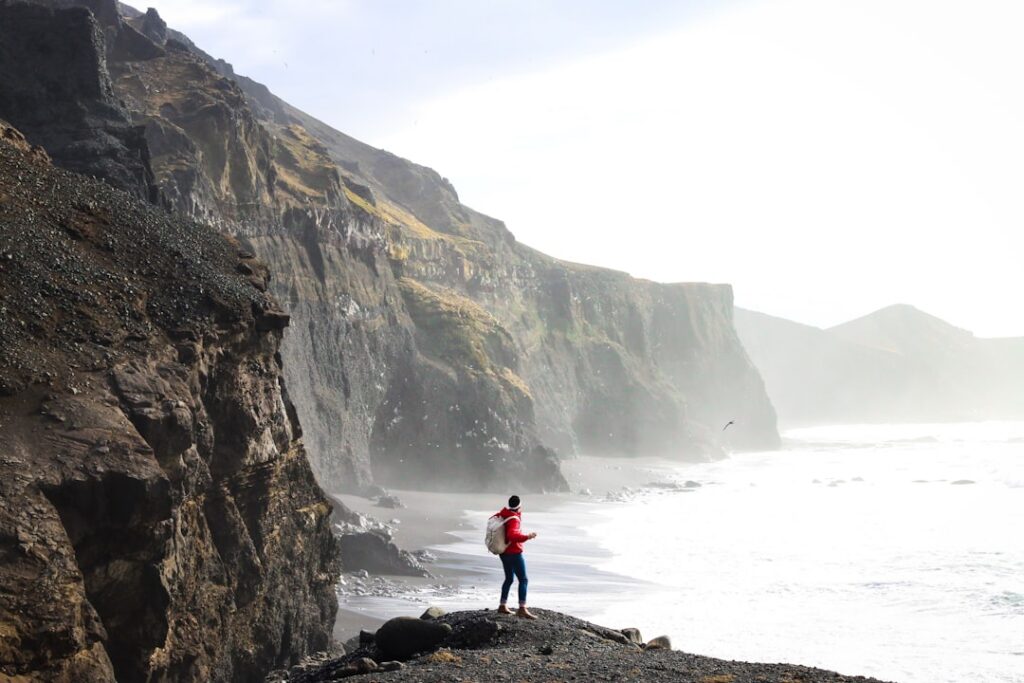
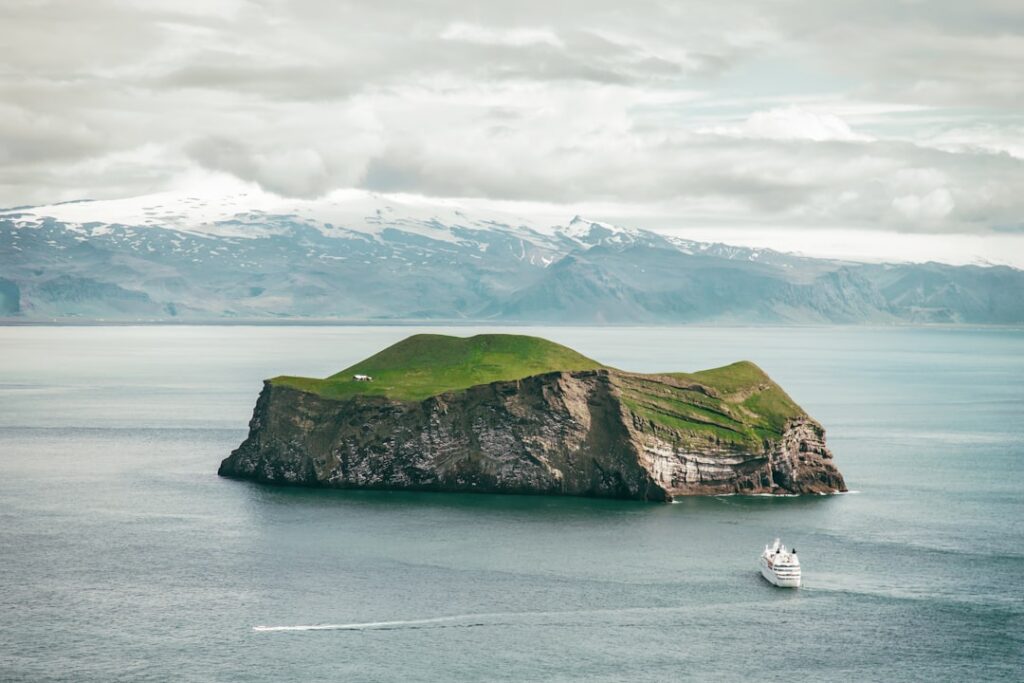
Drangey sits in the middle of Skagafjörður, the broad fjord that cuts into the north coast of Iceland roughly 40 kilometres east of Sauðárkrókur. The island is not a gentle stroll — its cliffs rise almost vertically from the sea, and access to the plateau at the top requires climbing a fixed ladder system. That a tour group made the ascent without difficulty is, in Jónsson’s telling, something worth remarking on.
“They were wonderful guests, and they climbed the cliffs of Drangey Island as if it were nothing,” Jónsson told Iceland Monitor. He has guided visitors on the island for many years and is closely associated with its upkeep and access.
What wildlife can visitors see on a Drangey Island tour?
Drangey supports one of the largest seabird colonies in northern Iceland. Razorbills, guillemots, puffins, and fulmars nest in the cliff faces in large numbers during summer, and the noise and movement along the rock ledges is striking even from the boat crossing from Galtará on the eastern shore of the fjord. The visitors on this particular tour were asking about the birds throughout, Jónsson indicated — a response he is clearly accustomed to from guests who arrive expecting scenery and leave preoccupied with natural history.
Whale sightings in and around Skagafjörður are not unusual in summer. Humpback and minke whales follow the fish into the fjord during the warmer months, and the boat crossing to Drangey — which takes roughly 15 minutes — can occasionally deliver an unexpected sighting. It appears this group had questions about that too.
The combination of birdlife, whale activity, and dramatic volcanic geology makes Drangey a genuinely layered destination, one where the ecological interest can compete with the historical associations. The island features prominently in Grettis saga, the medieval Icelandic saga in which the outlaw Grettir the Strong spent his final years in exile on the island. A statue of Grettir stands near the harbour in Sauðárkrókur on the mainland.
How steep are the cliffs on Drangey?
The island’s cliffs reach heights of around 180 metres on the northern and western sides. The only practical ascent is via a route on the southern face, where a wooden ladder and fixed rope system has been maintained for generations — originally by the farmers who held grazing rights on the plateau above. Sheep were once kept on the island, and egg collecting from the bird cliffs was a seasonal economic activity for communities around the fjord.
Jónsson’s role as caretaker and guide is part of a long tradition of individuals responsible for Drangey’s access and welfare. The island is owned by farmers in the Skagafjörður area, and visits are organised through Jónsson’s tour operation based at Galtará. The crossing is weather-dependent, and the Icelandic Met Office — Veðurstofa Íslands — is a reliable reference for conditions before any planned visit.
When is the best time to visit Drangey Island?
The practical window for a Drangey Island tour runs from late May through August, when the crossing is manageable and the seabird colonies are at full activity. Puffins arrive in April and begin departing in August, so late June and July represent the peak for both birdlife and weather reliability.
Summer days in Skagafjörður are long — in late June, there is effectively no darkness, and afternoon light on the basalt columns of the island’s southern face can be remarkable. Temperatures on the plateau are typically between 8°C and 15°C, but wind off the fjord can make it feel considerably colder, so layers are advised.
Tours run on demand rather than on a fixed daily schedule, and advance booking through Jónsson’s operation is recommended during the peak summer weeks when demand from domestic and international visitors is highest.
With interest in north Iceland’s natural attractions continuing to grow among travellers looking beyond the more crowded south, Drangey’s combination of accessible guided tours, genuine wildlife, and deep historical roots is likely to keep drawing the kind of curious, engaged visitors that Jónsson encountered on this outing.
Frequently asked questions
How do you get to Drangey Island?
Drangey Island is accessible only by boat from Galtará on the eastern shore of Skagafjörður, roughly 25 kilometres north of Sauðárkrókur. The crossing takes approximately 15 minutes. Tours are operated by Viggó Jónsson, the island’s longtime guide, and advance booking is recommended during summer.
What birds nest on Drangey?
Drangey supports large colonies of puffins, razorbills, guillemots, and fulmars, among other seabird species. The birds nest in the island’s cliff faces from late spring through summer, with numbers peaking in June and July. Egg collecting was historically practised on the island, though it is no longer common.
Is the Drangey Island climb suitable for all fitness levels?
The ascent to Drangey’s plateau involves a vertical ladder and fixed rope section and is not suitable for those with a fear of heights or limited mobility. The route is maintained by the tour operator. Visitors who are reasonably fit and comfortable with exposed climbing typically manage it without difficulty, as the group described in this report demonstrated.
Are there whale sightings near Drangey?
Whale sightings in Skagafjörður are relatively common in summer, with humpback and minke whales among the species that enter the fjord. Sightings can occur during the boat crossing to Drangey, though they are not guaranteed. Visitors with an interest in marine wildlife are advised to keep watch during the transfer.
What is the historical significance of Drangey Island?
Drangey Island is the setting for a key section of Grettis saga, one of the most widely read of the medieval Icelandic sagas. According to the saga, the outlaw Grettir the Strong lived on the island in exile during the final years of his life. The island’s association with the saga makes it a destination of interest for those following Icelandic literary history as well as its natural heritage.
Original source: Iceland Monitor (mbl.is English)