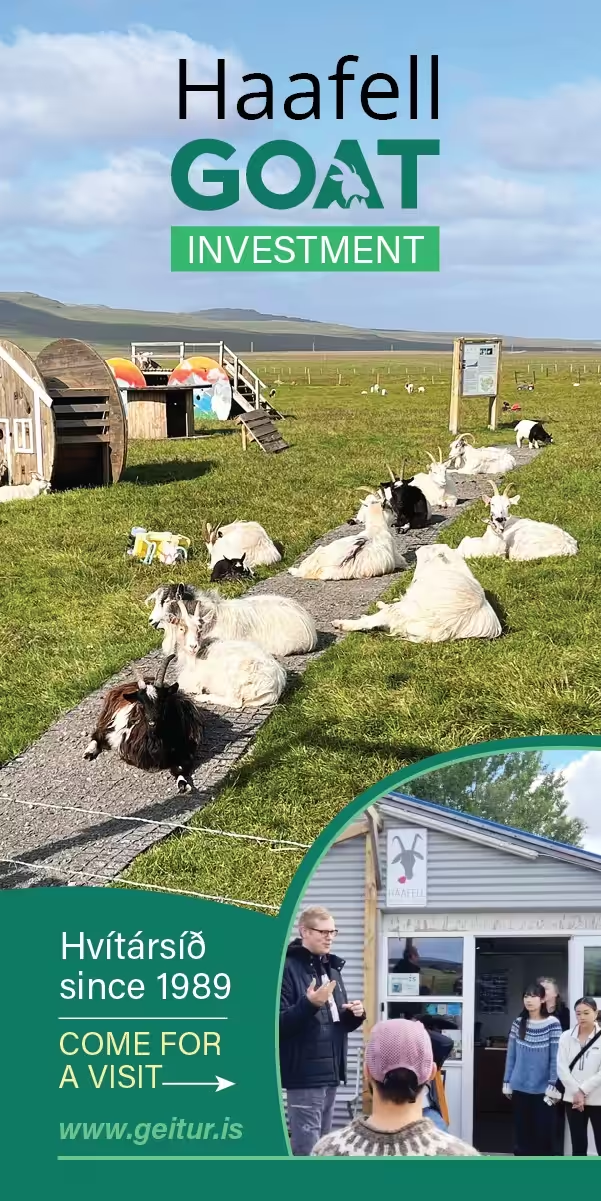













Native Goat Breed Still at Risk Despite Population Growth
The number of Icelandic goats has ticked upward recently, but farmers say the breed is far from safe. Around 2,000 goats currently live in Iceland — well short of the roughly 5,000 thought to be the minimum for a sustainable population.
According to RÚV, even as numbers have slowly improved, the financial support available per animal has been shrinking. That squeeze is making goat farming harder to sustain, and farmers are pushing for stronger subsidies — including payments tied to meat production and general livestock support.
Hákon Bjarki Harðarson, a prominent voice from the Farmers’ Association of Iceland, has been direct about what needs to change. “We want to see higher payments,” he said. “Currently, there’s government support for milk and feed, but none for meat production.”
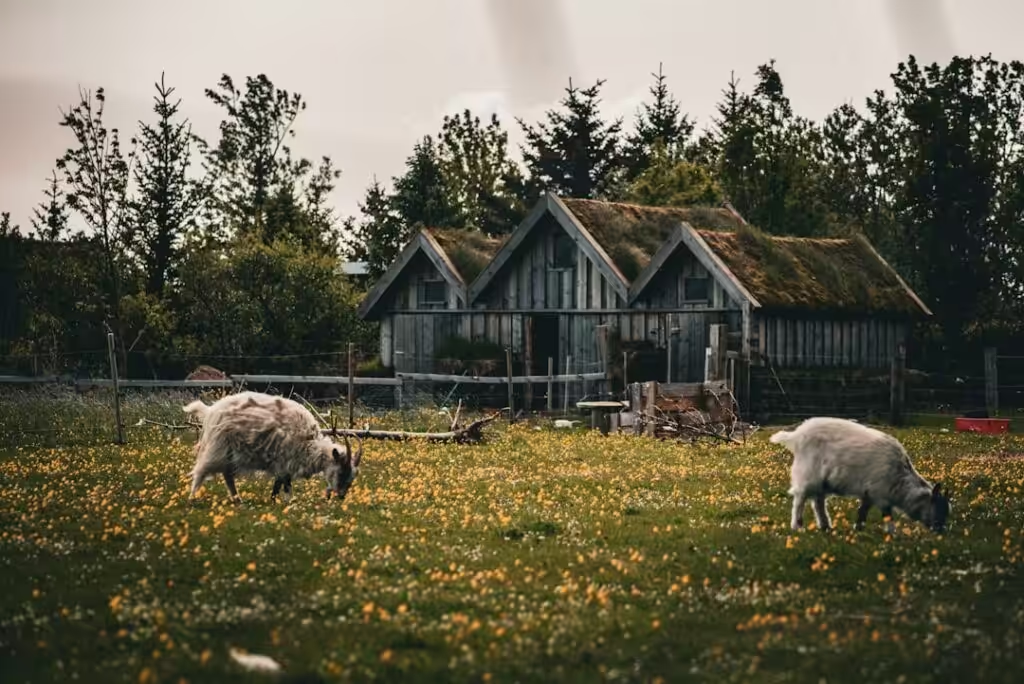
Harðarson has also stressed that getting meat production back on its feet, alongside better livestock payments, is central to any real recovery. “Our goal is to elevate the population and mitigate extinction risks,” he said.
One persistent obstacle is the burden placed on farmers who must handle both processing and sales themselves — something that puts off people who might otherwise enter the industry, even though demand for goat products remains steady among consumers.
The post was originally published on Iceland Review.