













If your Iceland itinerary has one non-negotiable, it is usually this — that first step into the Blue Lagoon while cold air rolls across the lava field and steam rises all around you. It is exactly why Blue Lagoon winter reservation tips matter as much as they do. In winter, the whole experience can feel more dramatic than anything you get in summer, but it also comes with tighter booking windows, unpredictable weather, and very little room for last-minute decisions.
The good news is that winter can genuinely be one of the best times to visit. The harder truth is that it is also when poor planning shows up fast. If you want the Blue Lagoon to feel easy, warm, and worth every króna, make your reservation strategy part of your Iceland trip planning from the start — not something you sort out a week before you fly.
Why winter Blue Lagoon bookings need more planning
Summer gives travelers long daylight hours and generally easier road conditions. Winter is a different game. You are working around limited daylight, possible wind and snow, and the fact that a lot of visitors slot the Blue Lagoon into arrival day or departure day because of how close it sits to Keflavik Airport.
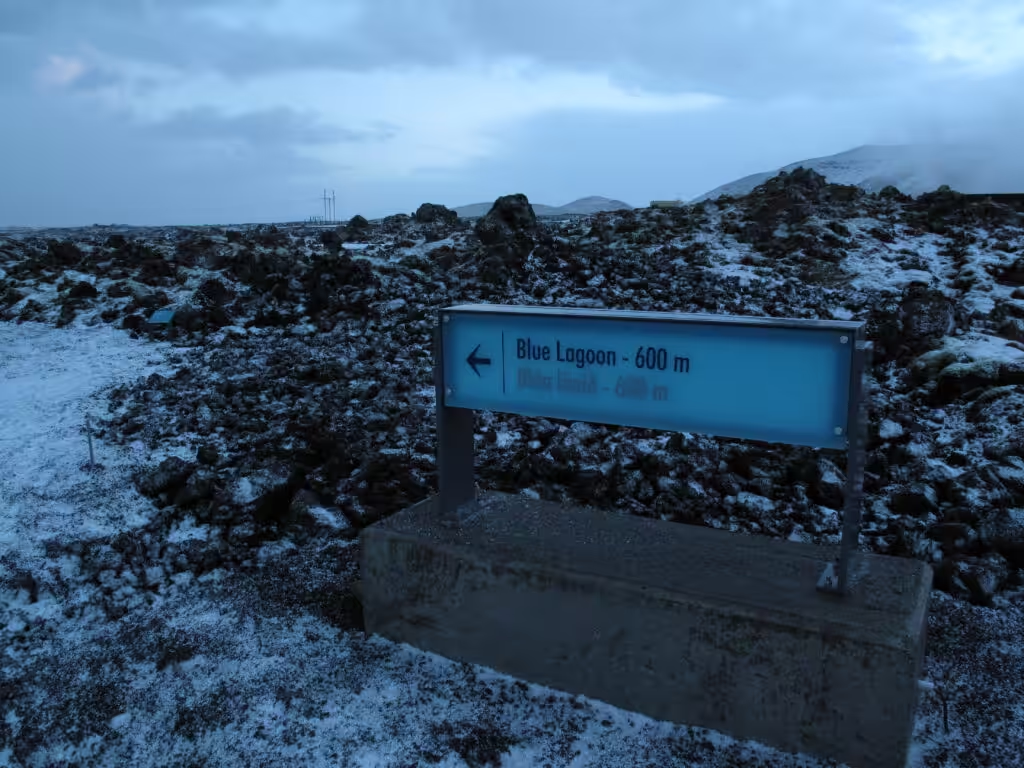
That creates real competition for the same practical time slots. Mid-morning and early afternoon entries tend to attract visitors trying to fit the lagoon between a flight and a Reykjavik hotel check-in, or between checkout and an airport transfer. Add holiday travel and Northern Lights season on top of that, and the prime times can disappear well before your trip comes together.
Winter also changes the pace of the experience itself. You will probably need more time to shower, change, and move between buildings in cold weather. If conditions turn rough, transfers can take longer than expected. A reservation that looks perfect on paper can feel rushed by the time you are actually living it.
Blue Lagoon reservation tips winter visitors should follow first
Book as soon as your flights are confirmed. That is the single best move you can make. If the Blue Lagoon is a priority, do not wait until every dinner reservation and hotel detail is sorted. In winter, lock in the lagoon early and build the rest of your itinerary around it.
The next sensible step is choosing the day with the most flexibility — not just the day that looks tidiest on your schedule. For many travelers that means staying away from the final hours before an international flight unless there is a generous buffer built in. Plenty of people pull off an airport-day visit, but winter weather makes tight timelines far less forgiving.
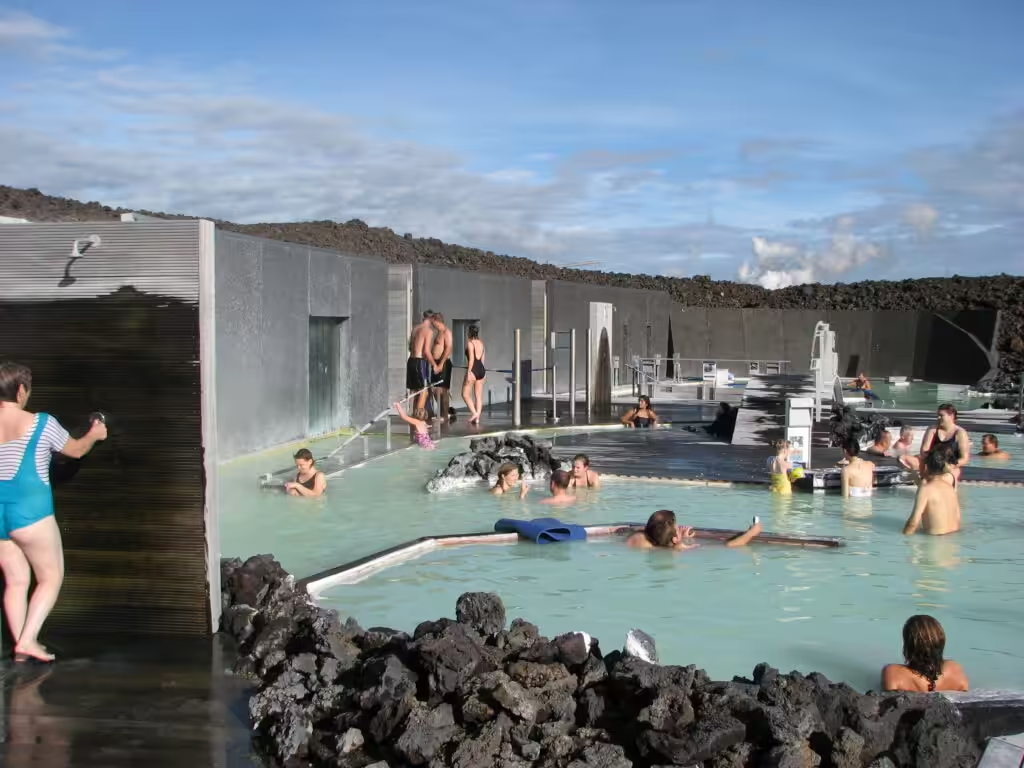
A lot depends on your travel style. If you prefer structure and low stress, book the Blue Lagoon on your first full day in Iceland or the day before departure. If you are comfortable with a bit of unpredictability, an arrival-day visit can be efficient and genuinely memorable — particularly after an overnight flight from the US. Just leave room for delays and a slower-than-expected airport process.
Best time slots in winter
There is no single best hour, only the best fit for your trip.
Early morning entries are appealing if you want a quieter atmosphere and a clean start to the day. In winter, though, dark mornings can make the transfer feel less scenic, and some travelers would rather not go straight from plane to bus to lagoon without a pause.
Late morning to early afternoon is the most practical window for many visitors. You get some daylight for the lava field views, road transfers are easier to manage, and you still have time afterward for Reykjavik, dinner, or a relaxed hotel evening. It is often the sweet spot, which is exactly why it books out quickly.
Evening can be excellent if you want atmosphere. Steam against a dark sky is genuinely hard to beat, and in the heart of winter you may get that striking contrast of warm water and near-total darkness. The trade-off is that the cold feels sharper after sunset, and if road conditions are poor, night transfers can leave you more tired than you expected.
If you are after the most photogenic winter feel, aim for an entry that overlaps with the last daylight or early twilight. If convenience matters more than aesthetics, choose the slot that puts the least pressure on everything else that day.
Should you book the Blue Lagoon on arrival or departure?
This is one of the biggest winter planning decisions you will face.
Arrival-day visits work well for travelers landing from the US in the morning. The Blue Lagoon is close to the airport, and soaking right after a red-eye can be a surprisingly effective reset. You shower, warm up, and start the trip feeling human again. The downside is energy. If you do not sleep well on planes, you may enjoy the lagoon considerably less than you anticipated.
Departure-day visits are popular because they turn the last stretch of the trip into something worth remembering rather than a long airport wait. They can be a great use of time, especially if your return flight is in the afternoon or evening. In winter, though, this only works well if you leave a real margin for traffic, weather, and the airport process. Do not cut it so fine that relaxation turns into clock-watching.
For many first-time visitors, the safest winter choice is neither immediate arrival nor a last-minute departure slot, but a dedicated visit on a Reykjavik day. It removes the airport pressure entirely and gives you the best chance to enjoy the experience without rushing.
Build in more buffer than you think you need
Winter in Iceland rewards travelers who leave space in the schedule. This is especially true around Svartsengi, where conditions and access planning can occasionally shift. If you are traveling during a period of heightened geological activity, check current operating conditions before your visit and again shortly before you leave your hotel.
Even on a normal winter day, transfers can run slower than expected. If you are driving yourself, allow extra time for parking, walking in the cold, and navigating any icy surfaces. If you are taking a transfer, do not assume every connection will line up perfectly with your ideal timeline.
This matters most when travelers try to pair the Blue Lagoon with too much else in the same day. If you book a lagoon slot and a Golden Circle tour together, or stack it between airport transfers and a fixed dinner reservation, you are creating unnecessary pressure. The lagoon works best when it is the main event, or one of only two planned things on the day.
What to know before choosing an entry package
Price matters, but so does how you want the visit to feel.
The lower-tier option can be perfectly fine if your priority is simply getting in, soaking, and taking in the setting. For a lot of travelers, that is enough. But winter shifts the equation slightly — comfort matters more when temperatures are low and moving between water and air is a brisk business.
If a warmer, less hurried experience is worth the extra cost, consider whether upgraded inclusions actually match your style. Some travelers genuinely appreciate extra amenities and a more relaxed pace. Others would rather put the money toward a better Reykjavik dinner or another activity altogether. There is no wrong answer, but winter is the season when convenience tends to feel most worth paying for.
Practical mistakes that cause the most stress
The most common mistake is waiting too long to book and then settling for an awkward time slot. The second is treating the Blue Lagoon like a quick stop rather than an experience that takes several hours door to door.
Another frequent issue is underestimating post-flight fatigue. On paper, arrival-day lagoon visits look efficient. In practice, some travelers are simply too tired to enjoy them properly. Be honest with yourself about how you function after overnight travel.
The last big mistake is ignoring the weather because a reservation is already confirmed. A booking does not make winter roads, transfer timing, or volcanic-area updates irrelevant. Keep checking conditions. That habit will improve your whole Iceland trip, not just this one visit.
A smarter way to fit it into your Iceland itinerary
For most US travelers, the Blue Lagoon works best as a transition point. It can bridge airport to city, active sightseeing to a slower evening, or the tail end of a road trip to your flight home. Think of it less as an attraction you squeeze in and more as a pacing tool for the whole trip.
That mindset usually leads to better decisions. You stop chasing the cheapest or latest available slot and start choosing the one that actually supports the rest of your itinerary. If you are spending several days in Reykjavik, pick the reservation that gives you breathing room. If you are driving the South Coast in winter, avoid forcing the lagoon into the same day as a long return drive. If the trip is short, protect the parts you care about most.
That is the real value behind good winter planning. The Blue Lagoon is not hard to book — it is just easy to book badly. Give it time, give the weather the respect it deserves, and give yourself enough margin to enjoy the steam, the quiet, and that first shock of warm water in the middle of an Icelandic winter.