













Young people renting in Iceland are increasingly driving a measurable expansion of the country’s rental housing market. Data and industry signals point to a structural shift — more Icelanders under 35 are renting for longer, and that trend is reshaping everything from urban planning in Reykjavík to investment decisions by private landlords.
Key takeaways
- The share of young Icelanders choosing rental housing over homeownership has grown noticeably in recent years.
- Rising property prices in Reykjavík are the main barrier pushing young adults into the rental market long-term.
- A larger rental cohort means stronger demand for purpose-built rental stock, which Iceland has historically lacked.
- This demographic shift signals a maturing rental sector — one that may attract more institutional investment.
I’ve lived in Reykjavík for years, and the change is visible on the ground. Walk down Laugavegur or through the 101 postal district on a weekday evening and you’ll overhear conversations in shared flats, see listings on Facebook groups offering rooms for 180,000–230,000 ISK per month. A one-bedroom near Hlemmur bus terminal that might have rented for 150,000 ISK five years ago now easily fetches 220,000 ISK or more. Ownership has drifted out of reach for many young adults, so renting isn’t a stepping stone anymore — it’s a plan.
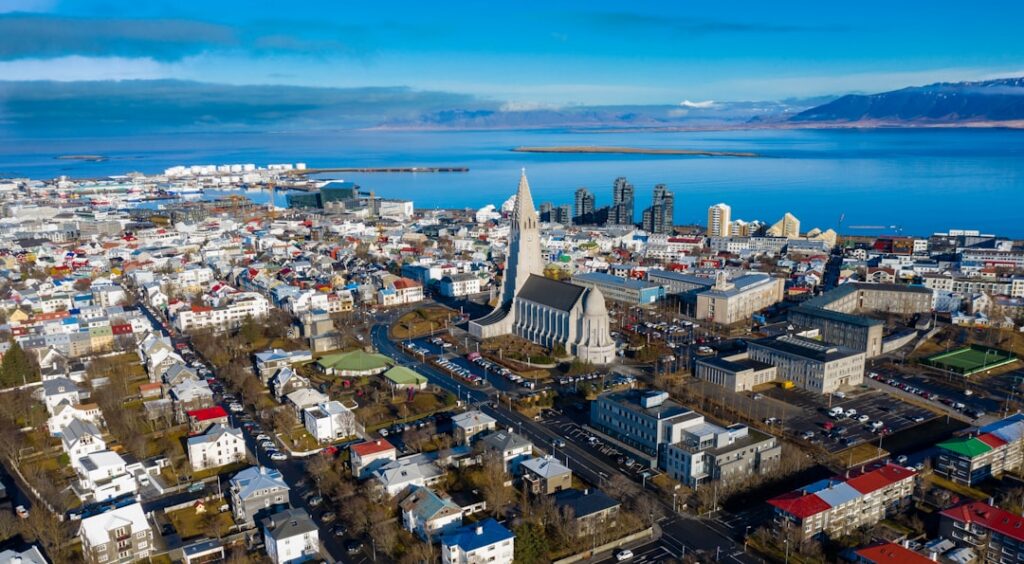
Iceland’s homeownership culture has traditionally been strong. The Húsnæðis- og mannvirkjastofnun (HMS), the Housing and Construction Authority, has historically supported first-time buyers through subsidised mortgage schemes. But house prices surged sharply after 2020, and the purchasing power of a young worker earning the average wage has simply not kept pace. So a generation that expected to own by their late twenties is instead signing lease after lease.
What the rental growth means for Iceland’s housing market
A bigger rental market isn’t inherently bad — but Iceland’s rental infrastructure was never built for permanence. Most rental housing here is privately owned by individuals, not large management companies. That means maintenance standards vary wildly, lease terms are often short, and renters have less stability than in comparable Nordic countries like Denmark or Sweden, where tenant protections are stronger.
Because demand is outstripping supply, rents have climbed faster than inflation in several recent years. Statistics Iceland (Hagstofa Íslands) tracks housing costs as a component of the consumer price index, and rental inflation has been a persistent contributor to Iceland’s broader inflation problem — something Seðlabankinn, the Central Bank of Iceland, has had to weigh in its interest rate decisions.
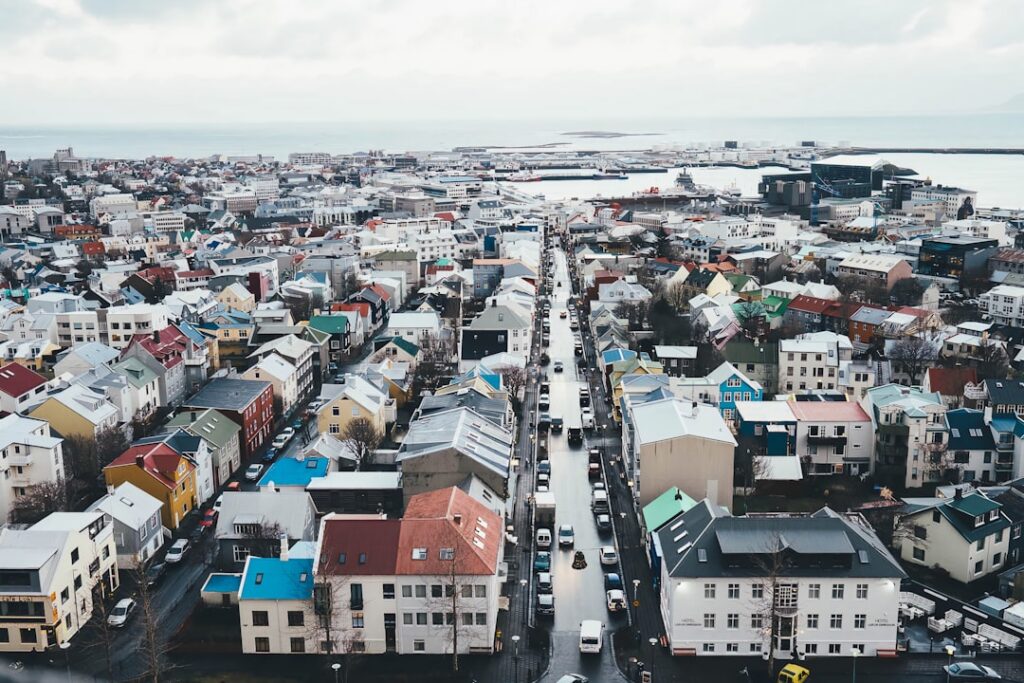
The silver lining is that sustained demand is finally making purpose-built rental developments financially viable. Several projects in Reykjavík’s outer districts — areas like Grafarholt and Breiðholt — are being discussed or planned with long-term renters in mind rather than eventual sale. If those projects reach completion, they could modestly ease pressure on the existing stock.
Still, the structural mismatch won’t resolve quickly. Young people who rent in Reykjavík today are largely doing so because they have no realistic alternative, not because they prefer it. Understanding that distinction matters — it’s a sign of market failure as much as market growth.
Frequently asked questions
Why are more young Icelanders renting instead of buying?
Property prices in Reykjavík have risen sharply, making it difficult for people under 35 to save a deposit or qualify for a mortgage on an average wage. The gap between purchase prices and earning power has widened enough that long-term renting has become the default for many, not just a temporary phase.
How much does it cost to rent an apartment in Reykjavík?
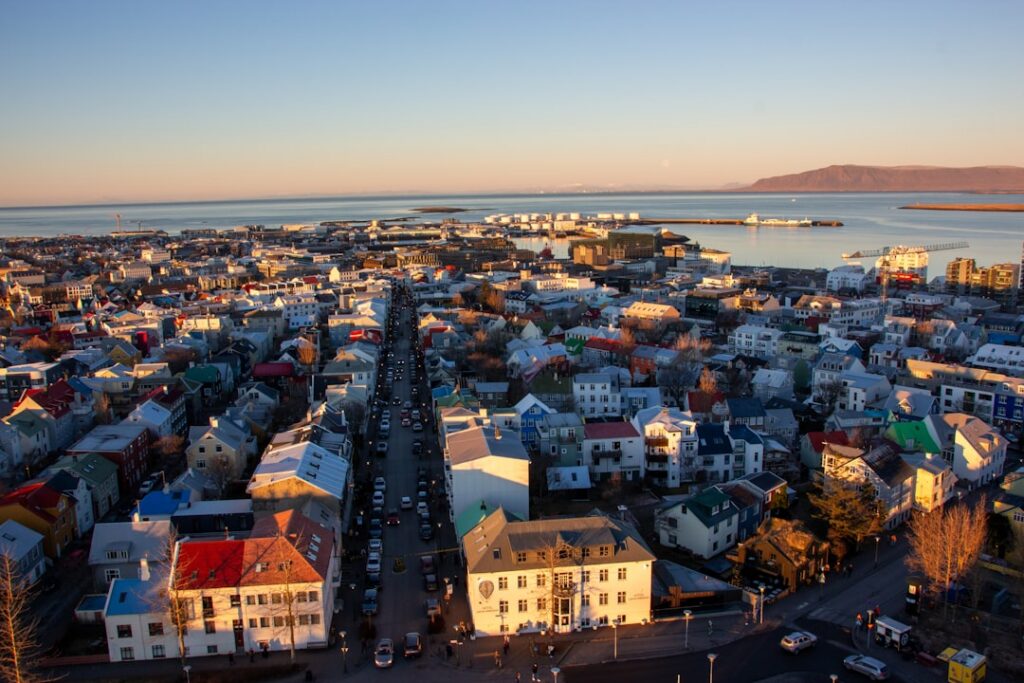
A one-bedroom apartment in central Reykjavík currently ranges roughly from 200,000 to 280,000 ISK per month depending on size and location. Shared rooms in the 101 postal district can be found from around 130,000–180,000 ISK. Prices have risen significantly over the past three to five years.
Is Iceland’s rental market regulated?
Iceland has basic tenant protections under the Leigusamningalög (Tenancy Act), but enforcement is patchy and most rental stock is privately owned by individual landlords rather than professional management companies. Compared with other Nordic countries, Icelandic renters generally have less formal protection and less long-term security.