













Iceland’s all-time temperature record could fall as early as July 15, 2025, as an exceptional high-pressure system pushes forecast highs toward and possibly beyond the current national record of 30.5°C, set in the East Fjords in June 1939. Meteorologists at Veðurstofa Íslands (the Icelandic Meteorological Office) are watching conditions closely, and the story is developing by the hour.
Key takeaways
- Iceland’s all-time heat record stands at 30.5°C, set on June 22, 1939, in the East Fjords.
- Forecasts for July 15, 2025 show temperatures potentially reaching or exceeding that mark in parts of East and South Iceland.
- The inland areas of East Iceland — particularly around Teigarhorn near Djúpivogur — are considered the most likely sites for a record.
- Extreme heat is genuinely unusual in Iceland; the country sits just south of the Arctic Circle and rarely sees temperatures above 25°C.
- Travellers and residents should carry water, avoid midday sun on exposed terrain, and monitor Veðurstofa Íslands for live updates.
What Is Iceland’s Current All-Time Temperature Record?
Iceland’s highest ever recorded temperature is 30.5°C (86.9°F), measured on June 22, 1939, at Teigarhorn in the East Fjords — a sheltered coastal and inland-facing locality near the town of Djúpivogur. The record has stood for more than eight decades, surviving every heatwave and warm summer the North Atlantic has produced since. That longevity alone signals how exceptional the conditions forecast for mid-July 2025 actually are.
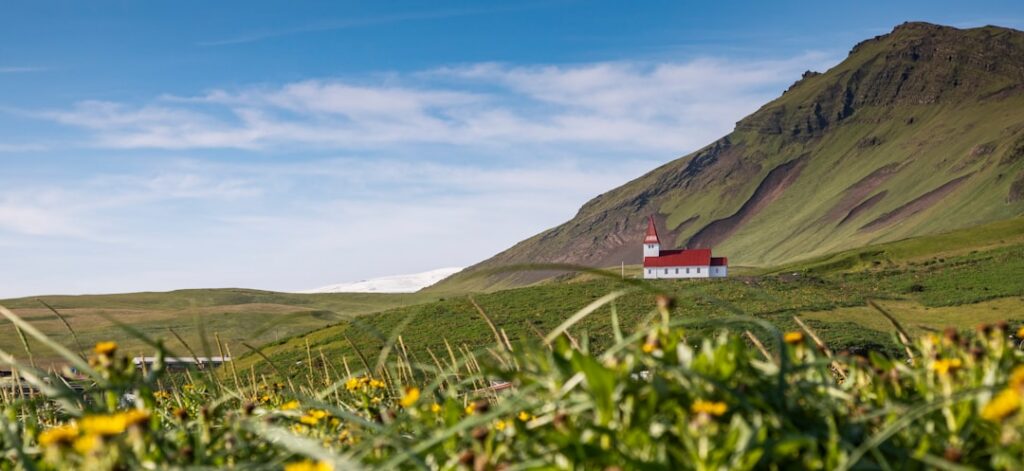
Iceland’s average July high in Reykjavík is around 13°C. Temperatures above 20°C are considered warm. Anything approaching 25°C routinely makes news. A reading above 30°C would be, by any measure, a historic event for the country.
Where in Iceland Is the Record Most Likely to Be Broken?
The East Fjords region — and specifically the sheltered valleys and lowlands around Djúpivogur, Egilsstaðir, and Fáskrúðsfjörður — is the part of Iceland most prone to extreme heat. Geography explains why. The fjords and inland valleys of East Iceland trap warm air descending from high-pressure systems, creating a föhn-like effect that pushes temperatures well above what coastal or elevated areas experience.
South Iceland’s flat inland plain, including areas near Hvolsvöllur and the agricultural lowlands east of Selfoss, can also see elevated readings. However, based on the historical record and forecast models currently in circulation, East Iceland remains the prime candidate for any record-breaking reading.
Reykjavík, sitting on a peninsula exposed to Atlantic winds, is unlikely to match those figures — but residents there should still expect temperatures notably above normal, possibly reaching 22–25°C, which is oppressively warm by the capital’s standards.
What Temperatures Are Forecast for July 15, 2025?
According to reports from Icelandic media including Iceland Monitor and Vísir, forecast models are showing temperatures in East Iceland potentially reaching 28–30°C or higher on or around July 15, 2025. Veðurstofa Íslands is the authoritative source for real-time figures, and forecasts at this range will shift in the 24–48 hours before the event.
Several factors make this event significant:
- A strong, slow-moving high-pressure system is directing warm continental air northward across the North Atlantic.
- Little cloud cover is forecast, meaning maximum solar heating on a day when Iceland receives nearly 24 hours of daylight.
- Wind speeds in the sheltered fjords are expected to be low, reducing any cooling effect from the sea.
- Ground-level humidity is forecast to remain low, allowing temperatures to climb sharply through the afternoon.
Conditions could change. Readers should check en.vedur.is directly for the latest official forecasts and any warnings issued for specific regions.
How Unusual Is Extreme Heat in Iceland in Summer?
Iceland’s climate is subarctic and oceanic. The country sits between 63°N and 66°N latitude — comparable in latitude to Fairbanks, Alaska, or northern Norway. Temperatures above 25°C occur perhaps a handful of times per decade, usually in the East or South. Days above 28°C are genuinely rare events recorded only a small number of times in the instrumental record, which stretches back to the mid-nineteenth century.

So a reading near or above 30°C is not merely a warm day. It sits at the absolute outer edge of what Iceland’s climate has ever produced. Climate scientists have noted that warming trends in the North Atlantic are making anomalous heat events more frequent, but Iceland has so far seen that trend expressed mainly in milder winters rather than record summer heat. If July 15 delivers what current models suggest, it would mark a striking data point in the country’s climate history.
For travellers, particularly those visiting the Highlands or planning long hikes on routes such as Fimmvörðuháls or Landmannalaugar, the contrast with expectations is the real risk. Iceland’s outdoor infrastructure — rest huts, trail markers, emergency shelters — is designed for cold and wet conditions, not sustained dry heat.
What Should Visitors and Residents Do During the Iceland Heatwave?
Both tourists and Icelanders are largely unaccustomed to managing serious heat. Most homes, guesthouses, and even many hotels in Iceland do not have air conditioning — the country simply has not needed it historically. That changes the risk profile significantly compared with a heatwave in southern Europe.
Practical steps to take now:
- Hydrate actively. Iceland’s tap water is exceptionally clean and cold — fill a large bottle before heading out. Do not rely on finding water sources on highland trails.
- Adjust timing. Plan outdoor activity for early morning or after 7 pm. Between noon and 4 pm, temperatures will peak and solar exposure will be intense given near-continuous daylight.
- Cover up. UV index rises sharply in clear summer conditions at high latitudes. Sunscreen, a hat, and a light long-sleeved layer are essential — even on a 28°C day in Iceland, burn risk is high.
- Check vehicle cooling. If driving a campervan or rental car, be aware that interiors can overheat rapidly. Never leave children, animals, or medication in a parked vehicle.
- Monitor official channels. Veðurstofa Íslands issues real-time weather warnings at vedur.is. Road conditions are tracked at road.is (Vegagerðin, the Icelandic Road and Coastal Administration).
- Respect highland closures. The Highlands (Miðhálendi) are managed by Landsvirkjun and the Icelandic Touring Association (Ferðafélag Íslands). F-roads may close if heat creates unusual dust or erosion conditions — check safetravel.is before departing.
Residents in Reykjavík looking for cool spaces should note that Hallgrímskirkja church, the National Museum of Iceland (Þjóðminjasafn Íslands) on Suðurgata, and the BSÍ bus terminal all offer naturally cooler interiors during peak afternoon heat. Swimming pools — Reykjavík’s laugasafn network, including Laugardalslaug and the newly renovated Vesturbæjarlaug — are an Icelandic tradition in any weather and will be especially welcome during a heatwave.
Why Is This Heatwave Happening Now?
The immediate cause is a persistent high-pressure ridge building across the North Atlantic and pushing into the Nordic region. Such systems occasionally redirect warm air masses from continental Europe or even North Africa northward along the eastern Atlantic seaboard. When that warm air reaches Iceland’s sheltered fjords, it can produce temperatures that seem impossible given the country’s latitude.
July is Iceland’s warmest month on average, so the baseline is already at its annual peak. Combined with near-continuous daylight — Reykjavík sees roughly 22 hours of sunlight in mid-July — any warm air mass has maximum time to heat the land surface before temperatures ease overnight. Nights will offer only limited cooling, with lows possibly staying above 15°C in the east.
Frequently Asked Questions
Has Iceland’s temperature record ever come close to being broken before?
Iceland has recorded temperatures in the high 20s°C on several occasions since 1939, particularly in the East Fjords region, but none have reached or exceeded the 30.5°C record set at Teigarhorn. Near-record readings tend to occur in similar meteorological conditions to those forecast for July 2025: a blocking high-pressure system, calm winds, and clear skies over sheltered inland or fjord-facing valleys.
Is Iceland’s heatwave dangerous?
While 30°C may seem modest compared with heatwaves in southern Europe, the risks in Iceland are real and specific. Most buildings lack cooling systems, outdoor infrastructure is designed for cold conditions, and both locals and tourists are unaccustomed to heat management. The combination of intense UV radiation from near-24-hour daylight, limited shade on highland routes, and low humidity that masks the sensation of heat makes dehydration and sunburn genuine concerns.
Will the Iceland heat affect flights or tourism infrastructure?
Keflavík International Airport (KEF) and Reykjavík’s domestic Reykjavík Airport (RVK) are not expected to face operational heat-related disruptions at the temperature levels currently forecast — runway limitations from heat typically begin above 40°C. However, travellers should monitor their airline and check Isavia (the airport authority) for any updates, as unusual weather events can affect ground operations. Icelandair and other carriers post real-time travel advisories on their websites.
Where can I check the official Iceland weather forecast right now?
The authoritative source is Veðurstofa Íslands (the Icelandic Meteorological Office) at vedur.is (Icelandic) or en.vedur.is (English). The site provides hourly forecasts, regional warnings, and historical data. For road and Highland conditions, check road.is and safetravel.is.
What is the best Iceland temperature record search term to track this story?
Searching Iceland temperature record 2025 or Iceland heatwave July 2025 will surface the latest coverage from Icelandic outlets including Iceland Monitor, Vísir, and RÚV (Ríkisútvarpið, Iceland’s national broadcaster). Following Veðurstofa Íslands on social media also provides near-real-time updates as the situation develops.