












Young farmers in Iceland oppose the proposed referendum on whether to open EU membership talks, arguing that accession would threaten Icelandic agriculture and rural livelihoods. The youth wing of the farmers’ association has come out firmly against putting the question to a public vote, saying the risks to the farming sector are too serious to gamble on.
Key takeaways
- Iceland’s young farmers are actively opposing a referendum on opening EU membership negotiations.
- Their core concern is that EU accession would expose Icelandic agriculture to rules and market pressures that favour larger European producers.
- The debate sits inside a broader, long-running Icelandic conversation about sovereignty, fisheries, and food security.
- Iceland applied for EU membership in 2009 but froze negotiations in 2013 — the question of whether to restart talks has never gone away.
- A referendum on opening talks would be legally separate from a referendum on actual membership — but critics argue the first step leads inevitably to the second.
Why Are Young Farmers Opposing the EU Membership Referendum?
The young farmers’ opposition to the EU membership talks referendum centres on what they see as an existential threat to Icelandic agriculture. Farming in Iceland is already a difficult business. The short growing season, volcanic soil, and high operating costs mean Icelandic producers rely heavily on domestic price supports and import tariffs that protect them from cheaper European imports.
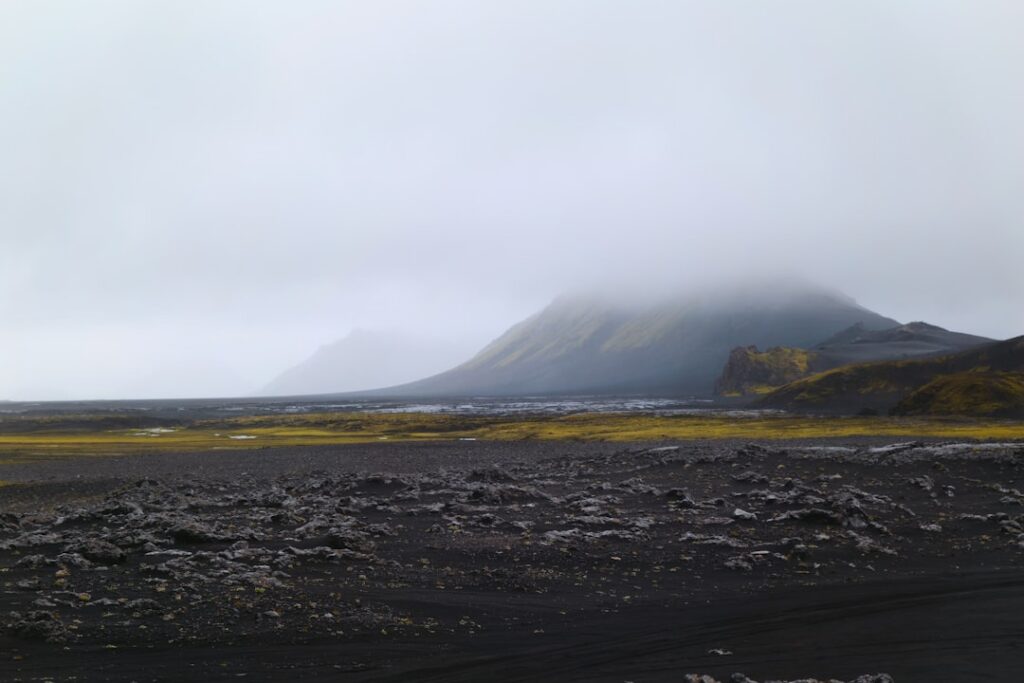
EU membership would, under the Common Agricultural Policy (CAP), bring Iceland into a system designed primarily around the farming realities of continental Europe — a very different environment from a North Atlantic island where sheep graze on lava fields and the average farm is a fraction of the size of a Danish or French operation.
From the young farmers’ perspective, the risk is not theoretical. Opening negotiations is not a neutral act. Once talks begin, political momentum builds, and the agricultural sector fears it would have little leverage in a process dominated by Iceland’s trade and financial interests. In short, they worry farming would be traded away in exchange for concessions elsewhere.
Iceland’s History with EU Membership — Context You Need
Iceland’s relationship with the EU has always been complicated. The country is already closely tied to Europe through the European Economic Area (EEA) and the Schengen Area, which gives Icelandic citizens free movement across most of Europe and aligns Iceland with much of the EU’s single market. But full membership is a different matter entirely.
In 2009, following the catastrophic banking collapse that wiped out a significant portion of Iceland’s economy, the Alþingi — Iceland’s parliament, one of the oldest in the world, which sits just a short walk from the main shopping street Laugavegur in Reykjavík — voted to apply for EU membership. Negotiations opened in 2010.
By 2013, however, a new government had suspended the talks. The key sticking point was fisheries. Iceland’s fishing industry is not just economically significant — it is central to national identity. Handing control of Icelandic waters to EU quota systems was, and remains, a red line for a large segment of the population. In 2015, Iceland formally withdrew its application.
The question has simmered ever since. Proponents argue that full membership would give Iceland a seat at the table in Brussels rather than simply being a rule-taker. Opponents — including, now vocally, the young farming community — say Iceland already enjoys the best of both worlds through the EEA and has no need to surrender sovereignty over its most sensitive sectors.
What Would EU Membership Mean for Icelandic Farmers?
This is the question the young farmers are asking loudest. Under EU membership, Iceland would fall under the Common Agricultural Policy, which distributes subsidies across member states but also opens national markets to competition from other EU producers. For Icelandic dairy, lamb, and greenhouse vegetable producers, this is a serious concern.
Icelandic lamb, for example, is a premium product — the sheep roam free across the highlands, and the meat has a distinctive flavour that commands a price premium in domestic markets. But that premium depends partly on import barriers that would likely be phased out under EU membership. Cheap lamb from New Zealand already competes in European markets; Icelandic producers would suddenly face competition from Spanish and Irish lamb as well.
- Price supports: Iceland currently subsidises farming in ways that may not align with EU state aid rules.
- Import tariffs: Protective tariffs on food imports would be removed or renegotiated under EU trade policy.
- Land and water rights: EU rules on property ownership could affect how farmland is held and transferred.
- Regulatory alignment: Food labelling, animal welfare standards, and pesticide rules would shift toward EU norms — some stricter, some less so than current Icelandic practice.
The young farmers’ association is not saying these outcomes are certain — but they are saying the risk is real enough that a referendum should not even be put to the public without a much fuller accounting of what membership would cost the agricultural sector specifically.
How Does This Fit Into Iceland’s Wider Political Debate?
The EU question in Iceland has never been just about economics. It is tangled up with identity, independence, and the memory of being a small nation that has punched above its weight by controlling its own resources. Iceland gained full independence from Denmark in 1944, and sovereignty over its fishing grounds was literally fought over in the Cod Wars with Britain in the 1950s through 1970s.
That history is alive in Icelandic politics. When young farmers push back against a referendum, they are drawing on a tradition of scepticism that runs across left and right. The Independence Party has historically opposed EU membership. The Left-Green Movement has also been sceptical, particularly on fisheries grounds. Support for membership tends to come from pro-European business voices and parts of the Social Democrats.
A referendum on whether to open talks — as opposed to a referendum on membership itself — is a political manoeuvre designed to let voters weigh in at an early stage. But critics, including the young farmers, argue this framing is misleading. Once you open negotiations, they say, the political cost of walking away becomes very high. The first referendum becomes a de facto first step toward membership, not a neutral inquiry.
Who Are Iceland’s Young Farmers?
The organisation representing young farmers in Iceland — Ungir bændur — is the youth wing of the Farmers Association of Iceland (Bændasamtök Íslands). It represents the next generation of people who will inherit, or who are already running, farms across the country — from the lush dairy farms of the South to the sheep stations of the Westfjords and the vegetable greenhouses of the Southwest powered by geothermal energy.
These are not people disconnected from global trends. Many young Icelandic farmers have studied agricultural science, visited farms abroad, and are acutely aware of what EU membership has meant for farming communities in smaller member states like Ireland and the Baltic countries. Their opposition is informed, not reflexive.
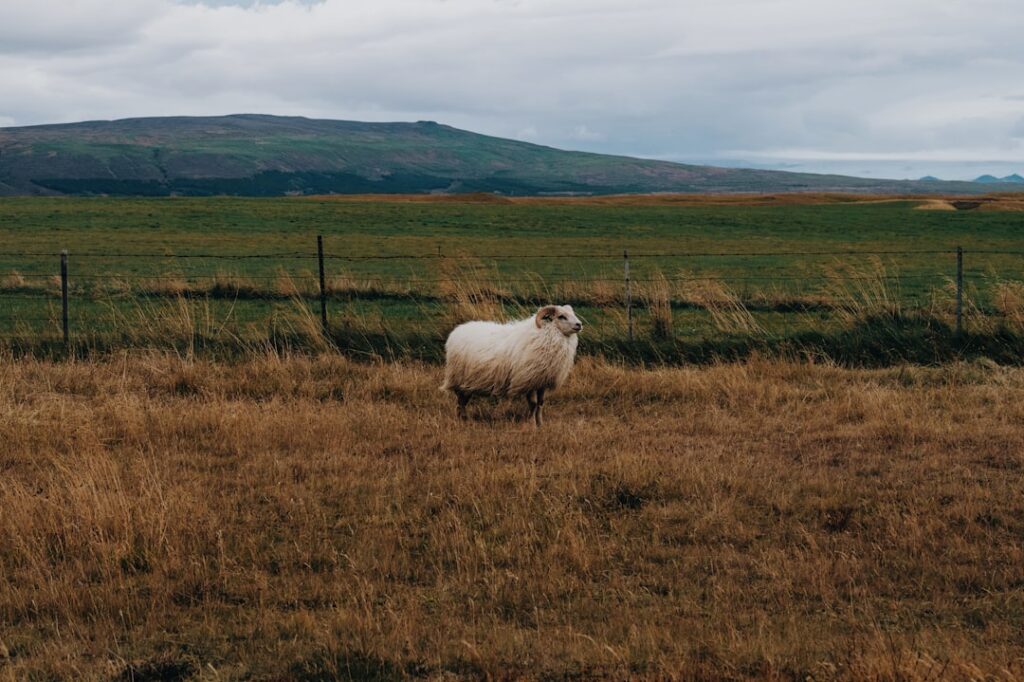
Their voice carries political weight because agriculture, though a small percentage of Iceland’s GDP, remains symbolically and practically important for rural communities that make up a significant part of the country outside the capital region. You can see this clearly if you drive the Ring Road — the farms you pass through the East and North are not just businesses, they are the backbone of entire communities.
What Happens Next in the EU Membership Debate?
As of mid-2025, the debate over whether to hold a referendum on opening EU membership talks is ongoing in the Alþingi and in Icelandic public discourse. No date for a referendum has been set. The young farmers’ opposition is one voice in a broader conversation that includes fishing industry groups, business federations, labour unions, and political parties across the spectrum.
For anyone following Icelandic politics, the EU question is a reliable indicator of where different interest groups stand on sovereignty versus integration. The farming community’s position — sceptical, protective of domestic policy space — has been consistent for decades. What is notable now is that the younger generation within that community is as firm as their parents and grandparents, which suggests this opposition is not fading with time.
You can follow ongoing reporting from RÚV, Iceland’s national public broadcaster, which covers Alþingi debates and referendum discussions in both Icelandic and English.
Frequently asked questions
Why do Iceland’s young farmers oppose an EU membership referendum?
Young farmers in Iceland oppose the referendum because they fear that opening EU membership negotiations would set Iceland on a path toward full membership, which would expose Icelandic agriculture to the EU’s Common Agricultural Policy and remove protective tariffs that support domestic producers. They argue that once talks open, the political momentum makes it very difficult to step back. Their concern is that farming interests would be sacrificed in broader negotiation trade-offs.
Has Iceland ever applied for EU membership before?
Yes. Iceland applied for EU membership in 2009 following its severe banking crisis. Negotiations began in 2010 but were suspended in 2013 and formally withdrawn in 2015, primarily due to disagreements over fishing rights and fisheries management. The EU question has remained a live political issue ever since, with periodic calls for a new referendum on whether to reopen talks.
What is the difference between a referendum on EU talks and a referendum on EU membership?
A referendum on opening EU membership talks asks voters whether Iceland should begin formal negotiation with the EU — it does not directly decide membership. A referendum on membership itself would come later, if negotiations concluded successfully. Critics argue the distinction is largely academic, because starting talks creates political and diplomatic pressure that makes withdrawal very costly.
How would EU membership affect Icelandic agriculture?
EU membership would bring Iceland under the Common Agricultural Policy, likely phasing out domestic price supports and import tariffs that protect Icelandic lamb, dairy, and other products from cheaper European competition. Land ownership rules, food labelling standards, and state aid regulations would also shift. Farmers’ groups argue the net effect would be negative for Iceland’s small, high-cost farming sector.
Where does Iceland currently stand in relation to the EU?
Iceland is not an EU member but participates in the European Economic Area (EEA), which gives it access to the EU’s single market and aligns it with most EU regulations — except in fisheries and agriculture. Iceland is also part of the Schengen Area. This arrangement gives Iceland many benefits of EU membership without full political integration, which is why many Icelanders argue membership is unnecessary.