













A helicopter rescue operation was launched at Drangey island in north Iceland after a person was injured in an accident on the dramatic sea stack, according to reports from Icelandic media outlets Vísir and Morgunblaðið. The remote, cliff-faced island — reachable only by boat from Sauðárkrókur — required air rescue because ground evacuation is not possible from its sheer basalt walls.
Key takeaways
- A helicopter was called to Drangey island in north Iceland following an accident involving at least one injured person.
- Drangey is only accessible by boat and has near-vertical cliffs, making helicopter rescue the standard emergency response.
- The story is breaking — injury severity and full details are still being confirmed by authorities.
- Drangey is a popular but physically demanding destination; visitors must go with an authorised guide.
- Travellers planning a visit should check conditions in advance and understand the island’s significant physical risks.
What happened on Drangey island today?
Reports from Icelandic news outlets indicate that an accident occurred on Drangey island, prompting an emergency response that included a rescue helicopter. The incident took place on the island itself, where the only way to reach the plateau is via a single steep ladder and rope system cut into the cliff face — a climb that demands physical fitness and careful footing even in good conditions.
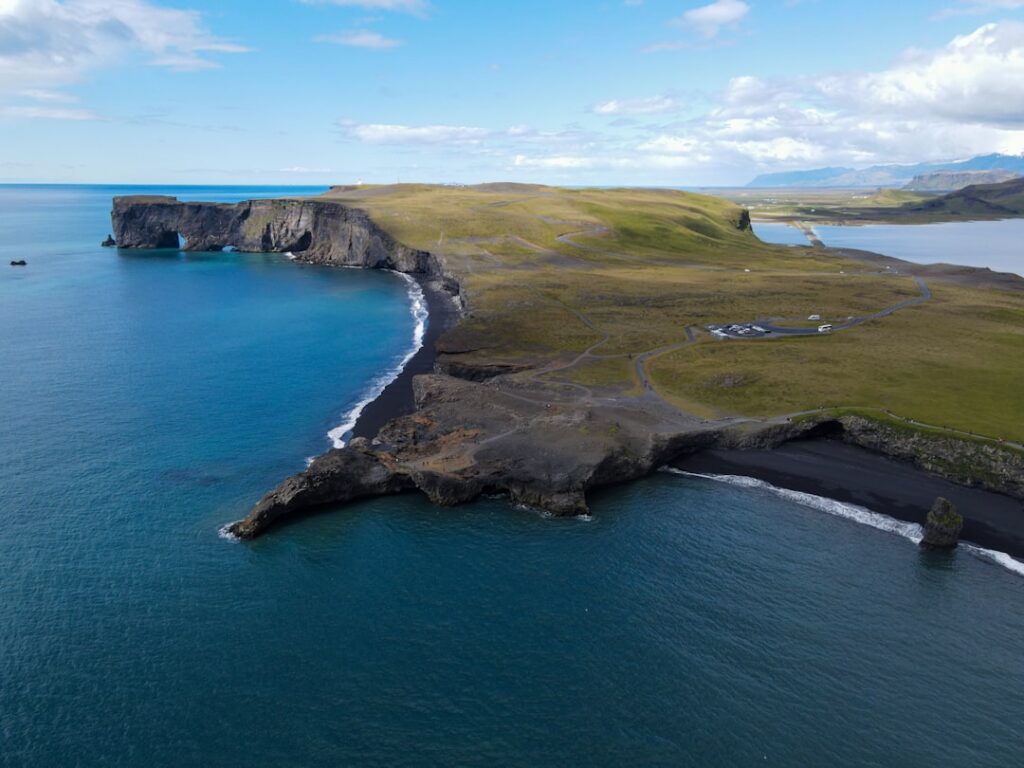
Drangey (pronounced roughly DRANG-ay) rises 180 metres out of Skagafjörður fjord in north Iceland. Its vertical basalt columns and narrow ledges make any accident there a serious logistical challenge for emergency services. Rescue teams cannot reach the island by road or on foot from the mainland; every emergency response requires a boat, a helicopter, or both.
Icelandic search and rescue operations of this kind are typically coordinated through ICE-SAR (Slysavarnafélagið Landsbjörg), the national association that organises volunteer and professional rescue teams across Iceland.
How serious was the accident and how many people were injured?
The full extent of injuries has not been officially confirmed at the time of publication. Icelandic media reports indicate at least one person was injured seriously enough to require helicopter evacuation. Because this is a developing story, the exact number of casualties and the nature of the injuries have not yet been released by authorities.
However, the decision to deploy a rescue helicopter rather than wait for a boat signals that responders considered the situation urgent. Helicopter callouts to Drangey are rare but not unprecedented — the island’s terrain makes minor injuries far harder to manage than they would be on flat ground.
IcelandNow will update this article as official information becomes available.
How did rescuers reach the injured on Drangey?
Rescuers reached the scene by helicopter, which is the only realistic option for a rapid response to Drangey. The island has no harbour, no flat landing area on its upper plateau, and no road access of any kind. A helicopter can hover above the clifftop or winch personnel and casualties directly.
The nearest mainland town is Sauðárkrókur, roughly 35 kilometres by road from the island’s departure point at Grettislaug or the nearby farm at Reykir á Skaga. In normal circumstances, the only way onto Drangey is a short boat ride followed by a climb up a fixed ladder bolted into the rock — a section that guides describe as the most physically demanding part of any visit.
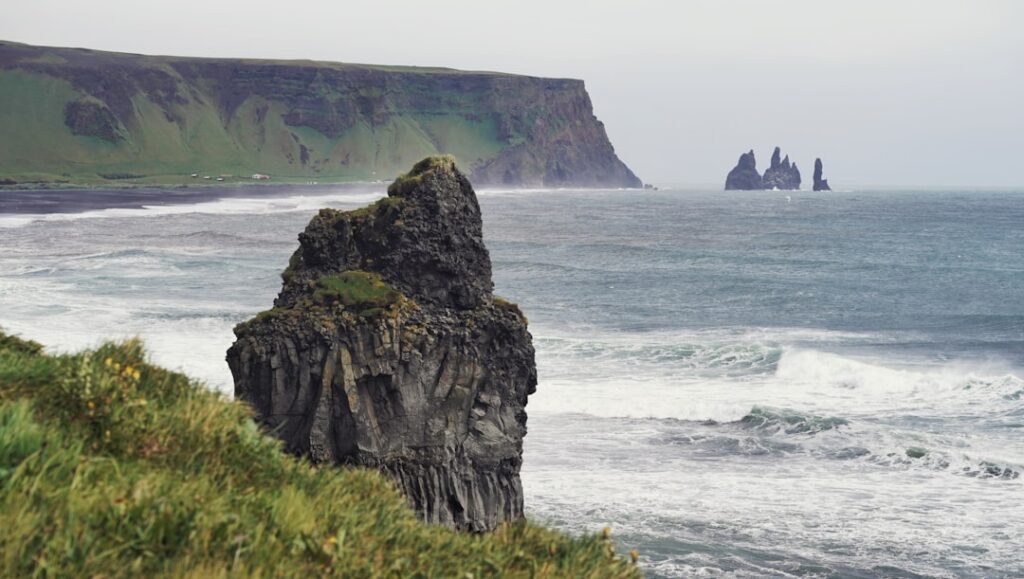
Because weather in Skagafjörður can change quickly, rescue windows can be narrow. Coast Guard and ICE-SAR helicopters are stationed in Akureyri and Reykjavík and can reach north Iceland within a reasonable response time, though sea conditions occasionally delay boat-based support.
Is Drangey safe to visit and what are the risks?
Drangey is considered safe when visitors follow the rules — but those rules exist because the island is genuinely dangerous if approached carelessly. The risks are specific and real.
- The ladder climb: The only route to the plateau involves a near-vertical fixed ladder. Wet rock, strong winds, or poor footwear dramatically increases the risk of a fall.
- Cliff edges: The top of the island is not fenced. The plateau drops away without warning in places, and paths near the edge can be loose underfoot.
- Seabird nesting areas: Arctic terns and other seabirds nest on the island in summer and will dive-bomb visitors. Guides carry sticks for protection.
- Weather changes: Skagafjörður is exposed to rapid weather shifts. Fog, wind, and rain can arrive with little warning, making the descent dangerous.
- No emergency infrastructure: There is no first-aid post, no shelter, and no phone coverage on the island. Any serious incident depends entirely on outside rescue.
Visiting independently is not permitted. All trips must be arranged through authorised boat operators, and guided tours are the only sanctioned way to access the island. Guides provide safety briefings, equipment, and the local knowledge that makes the difference on difficult terrain.
How do you get to Drangey and what should tourists know before going?
Drangey sits in the middle of Skagafjörður fjord, roughly 10 kilometres offshore. Boats depart from Reykir á Skaga, a working farm on the western shore of the fjord, approximately 25 kilometres north of Sauðárkrókur. The crossing takes around 15 minutes in calm conditions.
Tours typically run from June through August, when the puffin population — one of the biggest draws — is present and the weather is most stable. Expect to pay in the range of 9,000–12,000 ISK per person for a guided day trip, though prices vary by operator and season. Booking in advance is strongly recommended; group sizes are limited to protect the island’s ecosystem and ensure safety.
To reach the departure point from Reykjavík, drive north on Route 1 to Varmahlíð, then take Route 75 to Sauðárkrókur and follow signs toward Reykir. The total drive is roughly 270 kilometres and takes about three hours. Domestic flights to Akureyri followed by a hire car are a faster option for those short on time.
Practical tips before you go:
- Wear sturdy, ankle-supporting hiking boots with grip — trainers are not adequate for the ladder.
- Bring waterproofs regardless of the forecast; Skagafjörður generates its own weather.
- Tell someone your plans and expected return time before departure.
- Do not visit outside of official guided tours — independent landings are prohibited.
- Check the Icelandic Meteorological Office (Veðurstofa Íslands) for marine and wind forecasts before travelling to the fjord.
Drangey in context: a landmark with a long history of risk
Drangey is not just a tourist destination. It appears in the Icelandic sagas as the final refuge of the outlaw Grettir Ásmundarson, hero of Grettis saga, who reportedly lived on the island for three years before his death. The island has been inhabited and used for centuries — for centuries, locals climbed its cliffs to collect eggs and catch seabirds, a tradition that required exactly the kind of daring the cliffs demand today.
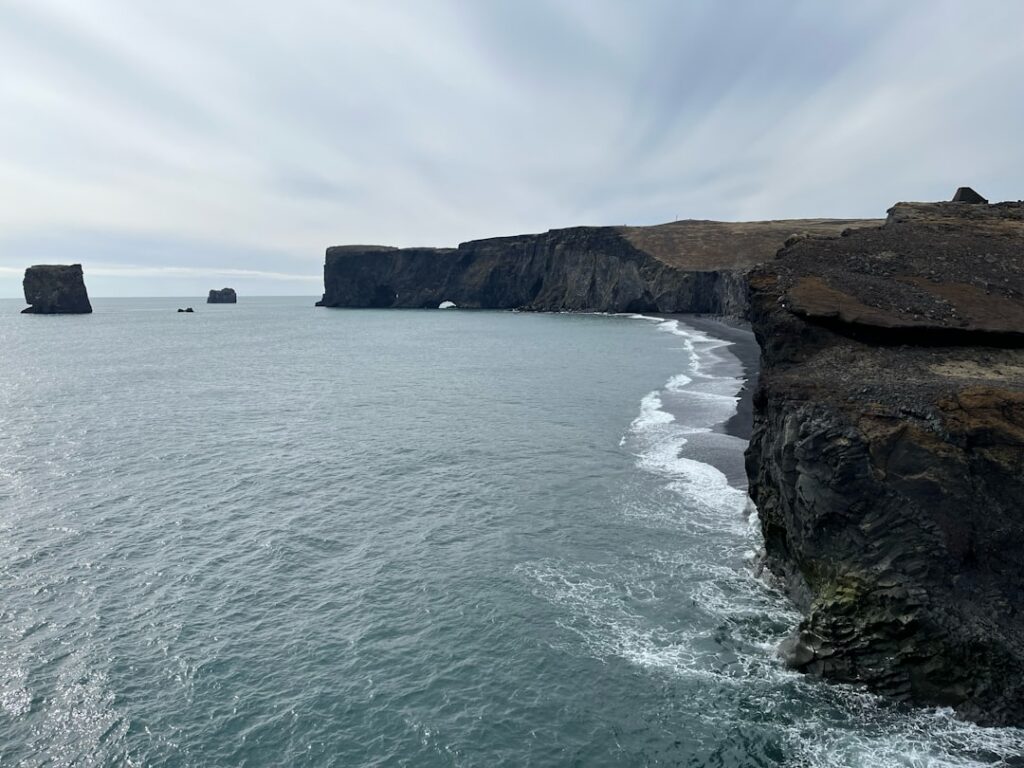
That history does not make the island less dangerous. But it does explain why Icelanders and international visitors alike treat it as a bucket-list destination worth the effort — and why an accident there draws immediate national attention.
Frequently asked questions
What is Drangey island and where is it?
Drangey is a small, flat-topped island rising 180 metres out of Skagafjörður fjord in north Iceland. It sits roughly 10 kilometres offshore from the town of Sauðárkrókur and is famous for its vertical basalt cliffs, large seabird colonies, and its role in Icelandic saga literature. It is accessible only by guided boat tour.
How do I book a tour to Drangey?
Tours are operated from the farm at Reykir á Skaga on the western shore of Skagafjörður. Bookings can be made directly through the farm or via Icelandic tour operators. Tours typically run June to August; advance booking is essential as group sizes are limited. Expect to pay approximately 9,000–12,000 ISK per person.
What should I wear and bring to Drangey?
Sturdy, ankle-supporting hiking boots with a grippy sole are essential — the fixed ladder on the cliff face requires a firm hold. Bring waterproof outer layers, a warm mid-layer, snacks, and water. The island has no facilities of any kind. A walking stick or trekking pole is useful on the plateau paths.
Has there been a helicopter rescue at Drangey before?
Helicopter callouts to Drangey are uncommon but not unheard of, given the island’s terrain and the impossibility of a standard ground evacuation. Iceland’s ICE-SAR organisation and the Icelandic Coast Guard maintain helicopter capability that covers the entire country, including remote islands like Drangey. The sheer cliffs mean that any medical emergency requiring rapid evacuation will involve air rescue.
Is Drangey open to visitors right now?
The island typically operates guided tours from June through August. Following today’s incident, visitors should contact their tour operator directly to confirm whether departures are running as scheduled. Conditions and access can be affected by weather, sea state, or — as in this case — an ongoing emergency response. Always verify before travelling to the departure point.