More people rent a car in Iceland than you might expect — and more of them get caught out than you’d think. Not by bad luck, but by not understanding how different driving here actually is. The weather changes fast, the roads range from excellent asphalt to teeth-rattling gravel tracks, and the insurance system is unlike anything in Western Europe or North America. Get it right and Iceland opens up completely. Get it wrong and you’re filing a claim on a cracked windscreen somewhere outside Vík.
Why Renting a Car in Iceland Changes the Whole Trip
The bus network in Iceland is limited and seasonal. The organised tours are fine but they keep you on someone else’s schedule. A rental car means you stop when the light hits Kirkjufell at exactly the right angle, or when you spot a waterfall that isn’t on any map. It means you can sleep in a different part of the country every night, eat at the petrol station in Blönduós at 11pm (better than it sounds), and drive the Snæfellsnes Peninsula on a Tuesday when no one else is there.
If you’re spending more than four or five days in Iceland, renting a car is almost always the right call.
What Type of Car Do You Actually Need?
This is where most people either over-spend or under-prepare. The answer depends entirely on where you’re going and when.
Ring Road and the South: A small 2WD is fine in summer
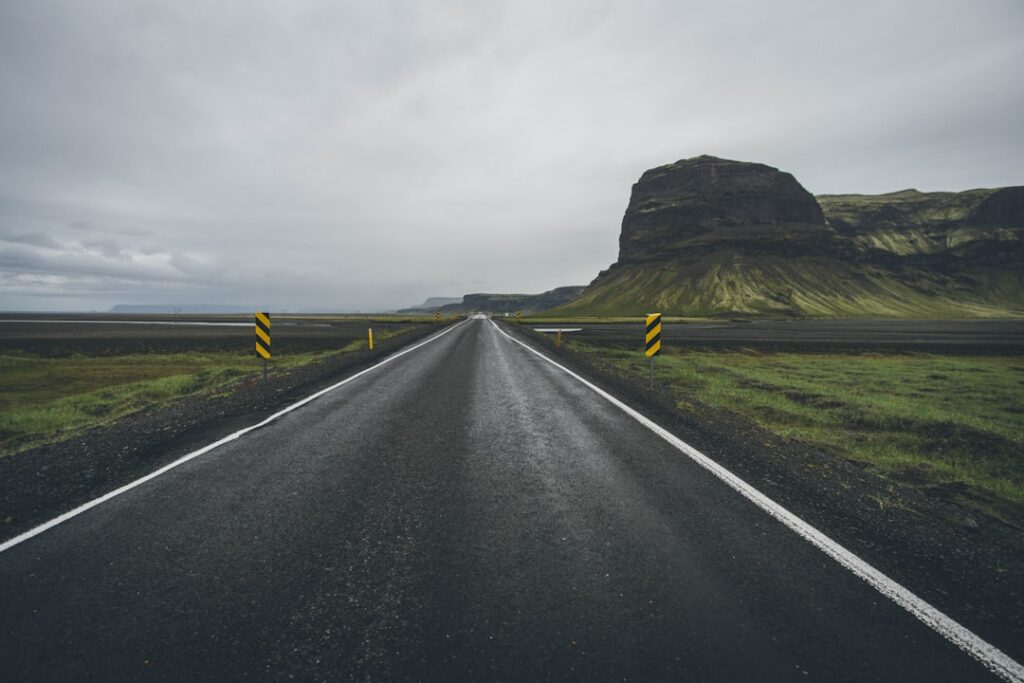
If you’re doing the Ring Road — the full Route 1 loop around the country — between June and August, a small 2WD car handles it comfortably. The road is fully paved. You’ll drive through Þingvellir, past the glacier lagoon at Jökulsárlón, around the East Fjords, and all the way to the Westfjords turnoff without needing 4WD. A basic hatchback works. Don’t let a rental company talk you into a massive SUV for a summer Ring Road trip unless you genuinely want one.
F-Roads and the Highlands: 4WD is not optional
The highland interior — the Highlands — is a different situation entirely. F-roads (marked with an F on Icelandic maps) are legally off-limits to 2WD vehicles, and rental companies will void your insurance if you take a standard car onto them. Roads like the Kjölur route (F35) or Landmannalaugar (F208) involve river crossings, loose volcanic gravel, and sudden drops in visibility. You need a proper 4WD with decent clearance — not just a small all-wheel-drive crossover.
If you’re planning to visit Landmannalaugar, Þórsmörk, or the remote interior between July and September, book a dedicated 4WD. A Toyota Land Cruiser or similar. It costs more, but the alternative is getting stuck in a river crossing with a car that wasn’t built for it.
Winter driving: a different set of rules
From October through April, conditions can change from clear to blizzard in twenty minutes. Even on Route 1, you’ll hit black ice, drifting snow, and low visibility. A 4WD isn’t strictly required everywhere in winter, but it helps — and winter tyres are mandatory by law from November 1st to April 15th. All rental cars in Iceland will have them fitted during this period, which is at least one thing you don’t need to think about.
How Much Does Iceland Car Rental Cost?
Prices vary a lot depending on the season and the type of vehicle. In summer (June–August), a basic small car starts around 8,000–12,000 ISK per day (roughly €55–85 or $60–90). A decent 4WD in the same period runs 20,000–35,000 ISK per day (€140–250 / $150–270). In the shoulder seasons — May and September — you’ll often find the same cars 20–30% cheaper.
Winter rates for 4WDs can actually spike again in January and February when the Northern Lights tours drive demand. If you’re coming in December or January specifically for aurora hunting, book early.
The Insurance Question — Read This Before You Book
Icelandic car rental insurance is more complicated than most destinations, and it’s the thing travellers most often misunderstand.
What the basic CDW covers (and what it doesn’t)
Every rental car in Iceland comes with basic Collision Damage Waiver (CDW) included in the price. This covers the car in most collision scenarios, but with a significant excess — typically 150,000–250,000 ISK (around €1,000–1,750). If you scrape the car on a lava wall or back into something in a car park, you’re paying that excess out of pocket before CDW kicks in.
CDW does not cover gravel damage to the headlights or bodywork. It doesn’t cover tyre damage. And it doesn’t cover the windscreen unless you’ve specifically added windscreen protection.
Gravel protection (SCDW) is worth it
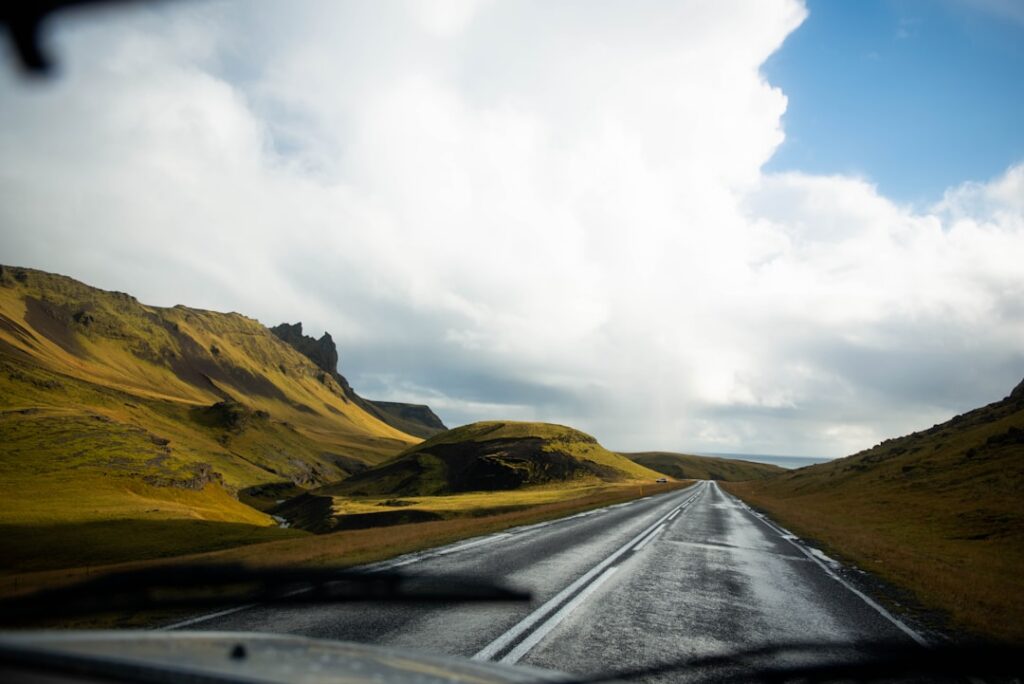
Iceland’s roads — especially the gravel roads around Mývatn, in the East Fjords, and on any F-road — throw rocks. Windscreen chips and cracks are the single most common insurance claim on Icelandic rental cars. The Super Collision Damage Waiver (SCDW) or Gravel Protection add-on typically costs 2,000–4,000 ISK per day and reduces your excess dramatically. If you’re leaving the main paved routes, I’d take it without hesitation.
Does your credit card or travel insurance cover you?
Possibly, but check the details carefully before you rely on it. Some premium credit cards offer rental car coverage but exclude Iceland specifically because of the volcanic and weather-related risk. Others cover CDW excess but not gravel or sand damage. Call your card provider before you travel and get it in writing — or just take the rental company’s protection and factor it into your budget.
Which Rental Companies Are Worth Using?
The big international chains — Hertz, Avis, Budget, Europcar — all operate in Iceland, mostly out of Keflavík International Airport (KEF). They’re reliable and the vehicles are generally well-maintained. Prices are competitive with the local operators.
Local companies like Lagoon Car Rental, Go Car Rental, and Lotus Car Rental often come in cheaper and have solid reputations. Lava Car Rental is worth looking at for mid-range 4WDs. For budget travellers, Cheap Car Rental Iceland aggregates prices across multiple operators, which is useful for comparison shopping.
One thing I’d avoid: the very cheapest operators you find on a Google search that have almost no reviews. Iceland isn’t the place to gamble on an unknown company with a confusing contract. If something goes wrong at a river crossing three hours from Reykjavík, you want a company with an actual phone line and a tow truck relationship.
Picking Up the Car at Keflavík Airport
Most rental desks at KEF are in the arrivals hall or in a separate compound a short shuttle ride from the terminal. When you pick up the car, take your time on the inspection. Walk around the vehicle in full, photograph every scratch, every scuff, every chip — from multiple angles — before you drive off the lot. Send them to yourself via email so they’re timestamped. This takes ten minutes and can save you a significant argument when you return the car.
Also confirm what type of fuel the car takes. Diesel is common in larger vehicles. Some of the newer hybrid rentals take petrol. Getting this wrong is an expensive mistake.
Practical Driving Rules in Iceland
A few things that catch visitors out:
- Headlights must be on at all times, day and night, year-round. This isn’t optional and police do stop people for it.
- Speed limits are 50 km/h in towns, 80 km/h on gravel roads, and 90 km/h on paved roads outside urban areas. These are strictly enforced, and speed cameras are common on Route 1 near Selfoss and around Akureyri.
- Driving off-road — off marked roads onto any vegetation or lava field — is illegal and carries heavy fines. The landscape looks rugged but it’s fragile. Tyre tracks in moss can take decades to disappear.
- Sheep wander onto roads freely between June and September. They tend to move unpredictably and they don’t react to headlights the way deer might. Slow down on rural roads, especially at dawn and dusk.
- Single-lane bridges are marked with a warning sign well in advance. The car already on the bridge has right of way. Pull up, check, then cross.
Fuel, Costs, and the Ring Road in Numbers
Petrol in Iceland costs around 280–310 ISK per litre (roughly €1.90–2.10 / $2.05–2.25), which is more expensive than most of Western Europe and significantly more than the US. The full Ring Road is approximately 1,332 km. In a small petrol car getting 15 km per litre, you’re looking at roughly 90 litres for the loop — around 27,000 ISK (€185 / $200) in fuel alone, before any detours.
Fill up before you leave the capital and whenever you see a petrol station in more remote areas. The stretch between Höfn and Egilsstaðir in the East has limited options, and stations in the Westfjords can be 100+ km apart.
Most rental cars in Iceland use the N1, Orkan, or ÓB fuel networks. You can pay at the pump with a card, which is useful at unmanned stations in rural areas. A PIN is required — so if you’ve travelled with a swipe-only card, sort that out before you leave home.
Timing Your Rental: When to Book and When to Go
Summer (late June through August) is peak season and cars sell out — particularly 4WDs and campervans. If you’re travelling in July, I’d book the car at least two months ahead. I’ve seen travellers land at KEF in August with a confirmed reservation only to find the company has overbooked and the only available vehicle is an upgrade they didn’t budget for.
May and September are excellent times to rent. The roads are open, the crowds are thinner, and prices drop noticeably. The Golden Circle route, Snæfellsnes, and most of the South Coast are fully accessible in these months. Some highland F-roads open as late as mid-June depending on snowmelt, so check safetravel.is before you plan any inland routes.
If you’re coming in winter for the Northern Lights, the roads around Reykjavík and the South are drivable with care — but keep the weather forecast open. Road.is (Vegagerðin) has real-time road closures and conditions. Check it every morning before you drive anywhere.
One More Thing Before You Book
The minimum driving age for car rentals in Iceland is usually 20, and some companies add a young driver surcharge for anyone under 25. You’ll need a valid driving licence from your home country — an international licence is not required for most nationalities, but verify this with your rental company if you’re coming from outside the EU, UK, or North America.
Once you’ve sorted the paperwork, the car is yours and the whole country opens up. The Westfjords. The Highlands in midsummer. The drive along Eyjafjörður to Akureyri in late afternoon with the mountains coming down to the fjord. These are the things you only get if you’re driving yourself.
Check availability for your dates now — the best vehicles go early, especially in summer.