












Discover Skiing and Snowboarding in Iceland
Skiing and snowboarding might not be the first things that come to mind when you think of Iceland — especially around Reykjavik. The reason is simple enough: the snow just doesn’t stick around. Iceland gets a decent amount of snowfall each winter, but the relatively mild climate means it can vanish within a few days, which makes for patchy conditions at best. Strong winds don’t help either, and they occasionally force ski resorts to close altogether.
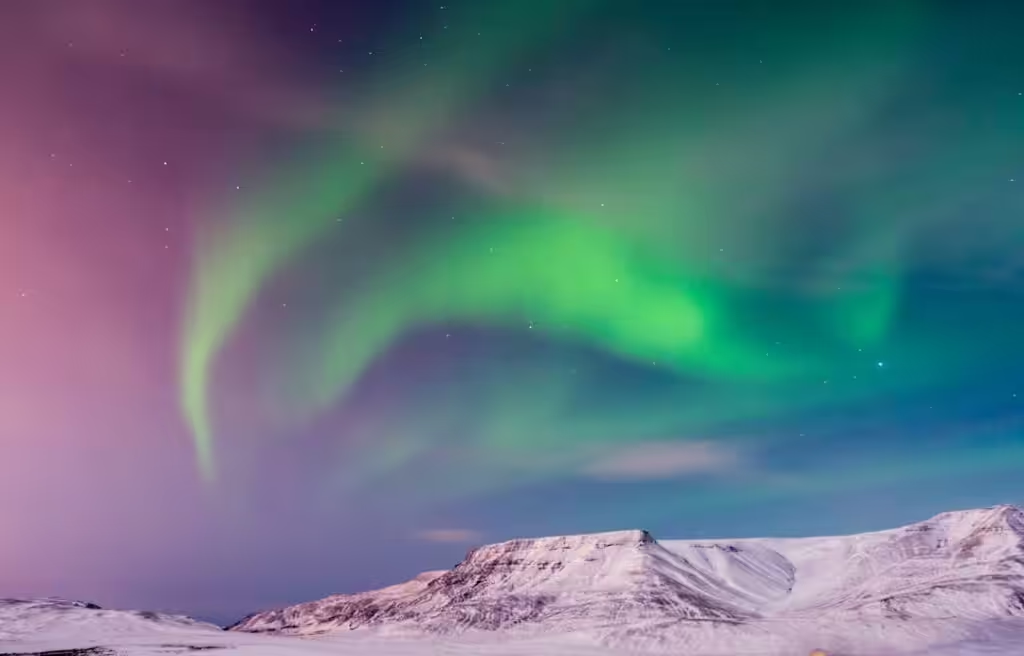
Photo by Bryndís Birgisdóttir
That said, there are a couple of resorts genuinely worth the trip. The Bláfjöll Mountains, a short drive from Reykjavik, hold the capital’s main ski area and draw a steady crowd of locals and visitors alike. If you want the best skiing Iceland has to offer, though, head north — Hlíðarfjall, sitting above Akureyri in North Iceland, is the one to beat.
Both resorts are reasonably priced and easy to get to. Ski passes come in 1, 2, or 3-hour options, and rental gear — skis and snowboards included — is available on site. From Reykjavik with a rental car, Bláfjöll is about an hour away. Hlíðarfjall is just a short drive from Akureyri, so it fits neatly into any trip up north.
Explore Iceland’s Natural Wonders
Winter activities are all well and good, but honestly, what draws most people to Iceland is the landscape itself — and it looks every bit as spectacular in the colder months as it does in summer, sometimes more so.
A guided sightseeing tour is a great way to take it all in without worrying about the roads. Alternatively, renting a 4×4 and driving yourself gives you the freedom to stop whenever something catches your eye.
The Golden Circle is the obvious starting point. Þingvellir National Park, Gullfoss Waterfall, and the Geysir Geothermal Area are all here, and Strokkur — the geyser that erupts reliably every few minutes — doesn’t slow down for winter.
In the cold months, Gullfoss is something else entirely: the water thunders through thick ice and icicles cling to every rock face around it. Strokkur keeps firing scalding water skyward regardless of the temperature. And Þingvellir, a UNESCO World Heritage site, remains one of the very few places on Earth where you can walk along the boundary between the North American and Eurasian tectonic plates.
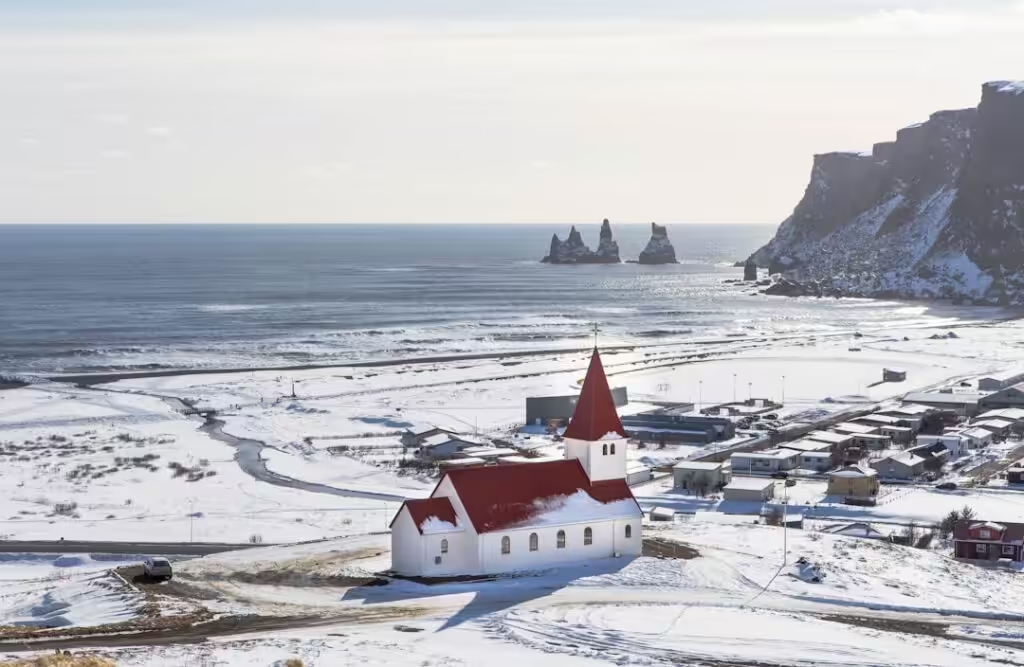
Heading further along the South Coast, Seljalandsfoss and Skógafoss are both worth stopping for, and Reynisfjara Black Sand Beach — with the Reynisdrangar sea stacks rising out of the surf — is genuinely dramatic at any time of year. Further east, Jökulsárlón Glacier Lagoon is not to be missed, sitting right beside Diamond Beach where chunks of glacier ice wash up on the black sand.
Driving the South Coast yourself is one of those experiences that stays with you. If you’d rather leave the driving to someone else, plenty of local operators run small-group tours along the route — a sensible option given that winter road conditions can be unpredictable.