Negotiations between Icelandair and the Icelandic Airline Pilots Association (FÍA) have broken down once more, with both parties remaining far apart on the key terms of a new labour agreement, according to Iceland Monitor (mbl.is English).
The two sides met again at the offices of the State Mediator, but the session produced no breakthrough. The dispute, which has cast uncertainty over Icelandair’s summer operations, shows no sign of reaching resolution in the near term.
For a country whose international connectivity depends almost entirely on a single national carrier, a prolonged pilot dispute carries consequences well beyond the airline itself. Iceland has no land border connections; air travel is the primary link between Reykjavík and the rest of the world, and Icelandair operates the bulk of scheduled international routes out of Keflavík Airport.
What the Icelandair pilot dispute is about
Details of the specific sticking points were not disclosed publicly following the latest session, but reports indicate the gap between the association’s demands and the airline’s offer remains wide. The involvement of the State Mediator — a formal institution in Iceland’s labour relations framework — signals that direct negotiations between the parties have already proven insufficient to bridge the divide.
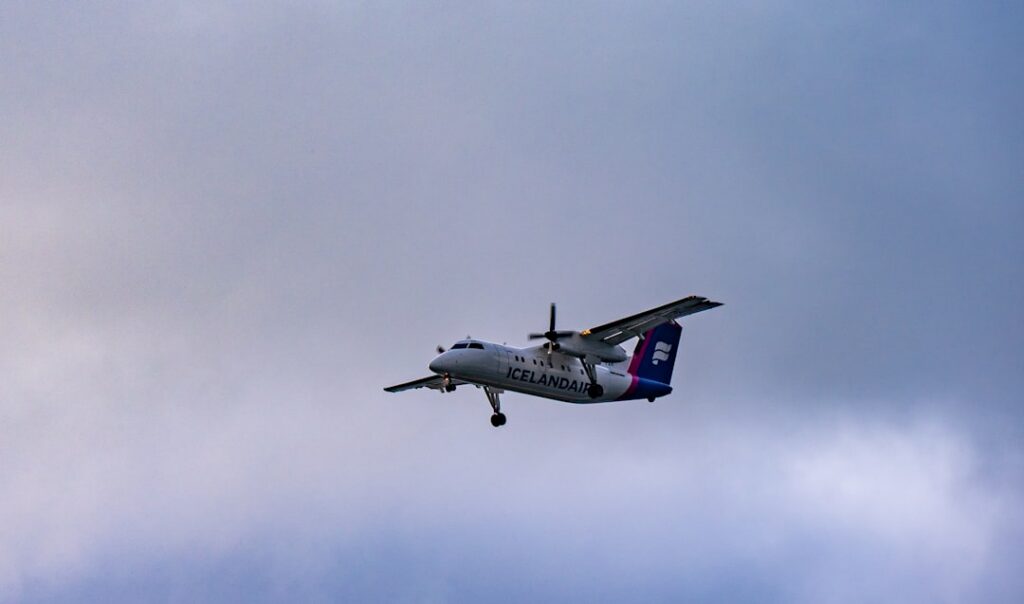
FÍA represents the pilots who fly Icelandair’s routes, and any prolonged industrial action by its members would have an immediate effect on the carrier’s flight schedule. Icelandair is Iceland’s dominant long-haul airline, connecting Keflavík with destinations across North America and Europe.
The timing is significant. Summer is Icelandair’s peak season, with passenger volumes rising sharply as tourists arrive for the midnight sun and Icelanders travel abroad. Any disruption in the coming weeks would hit the carrier at its most commercially sensitive point in the calendar.
Why this matters for passengers and Iceland’s economy
Tourism accounts for a substantial share of Iceland’s foreign earnings, and the sector has rebuilt steadily in recent years following the disruptions of the pandemic period. A strike or sustained work-to-rule by Icelandair pilots would ripple outward — affecting tour operators, hotels, and ground services that depend on stable flight schedules to plan their seasons.
Passengers booked on Icelandair flights will be watching developments closely. At this stage, no strike date has been announced and no flights have been officially cancelled as a result of the dispute, but the continued failure to reach agreement keeps that possibility on the table.
Iceland’s labour dispute resolution process typically involves several stages before industrial action becomes legal, including mandatory mediation and notice periods. The current involvement of the State Mediator suggests the dispute is already well advanced in that process, though it also means there are still formal mechanisms available before either side would be entitled to escalate.
What happens next in the mediation process
No date for a further meeting has been confirmed publicly, and officials offered no indication of when — or whether — the positions of the two sides might converge. The State Mediator’s office serves as a neutral venue and facilitator, but cannot compel either party to accept terms.
FÍA and Icelandair have both been through difficult contract cycles in recent years, and the current round of talks has proceeded against a backdrop of broader wage pressure across the Icelandic economy. Inflation and rising living costs have driven unions across multiple sectors to push for substantial pay increases, and the pilots’ association appears to be no different in that regard.
Whether the two sides return to the table voluntarily, or whether the mediation process moves toward a formal recommendation, is likely to become clear in the days ahead.
Original source: Iceland Monitor (mbl.is English)