A magnitude 3.8 earthquake struck the Bárðarbunga caldera in the early hours of Thursday morning, with around 25 aftershocks recorded in the hours that followed, according to Vísir (visir.is).
The initial quake hit at 3:50 a.m. Bárðarbunga, one of Iceland’s most closely monitored volcanic systems, sits beneath the Vatnajökull ice cap in the central highlands. Seismic activity there is tracked continuously by the Icelandic Meteorological Office, given the volcano’s history of significant unrest.
The sequence of aftershocks — roughly two dozen by early morning — is typical of swarm activity in this part of the country, though scientists continue to assess whether the pattern indicates anything beyond routine tectonic adjustment.
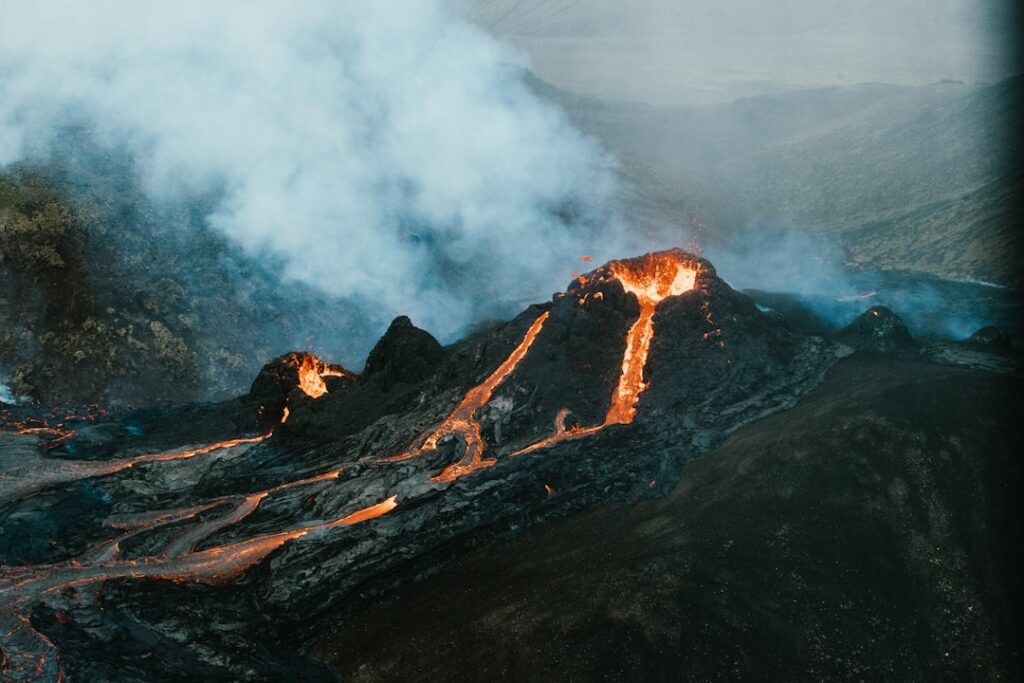
Bárðarbunga earthquake activity: what the data shows
A magnitude 3.8 event is considered moderate and would likely be felt by anyone in the immediate vicinity, though the caldera lies in a remote, uninhabited section of the highlands well beyond the reach of most settlements. No reports of damage or injury have emerged.
Iceland sits atop the Mid-Atlantic Ridge, where the North American and Eurasian tectonic plates are pulling apart. This makes the island one of the most seismically and volcanically active places on Earth, and earthquakes in the magnitude 3 to 4 range are not uncommon, particularly around the central volcanic zones.
Bárðarbunga last saw major activity in 2014 and 2015, when a prolonged eruptive episode in the Holuhraun lava field — fed by the same volcanic system — produced the largest lava flow in Iceland since the Skaftáreldar eruptions of the 18th century. That event drew sustained international attention and prompted air quality warnings across parts of the country.
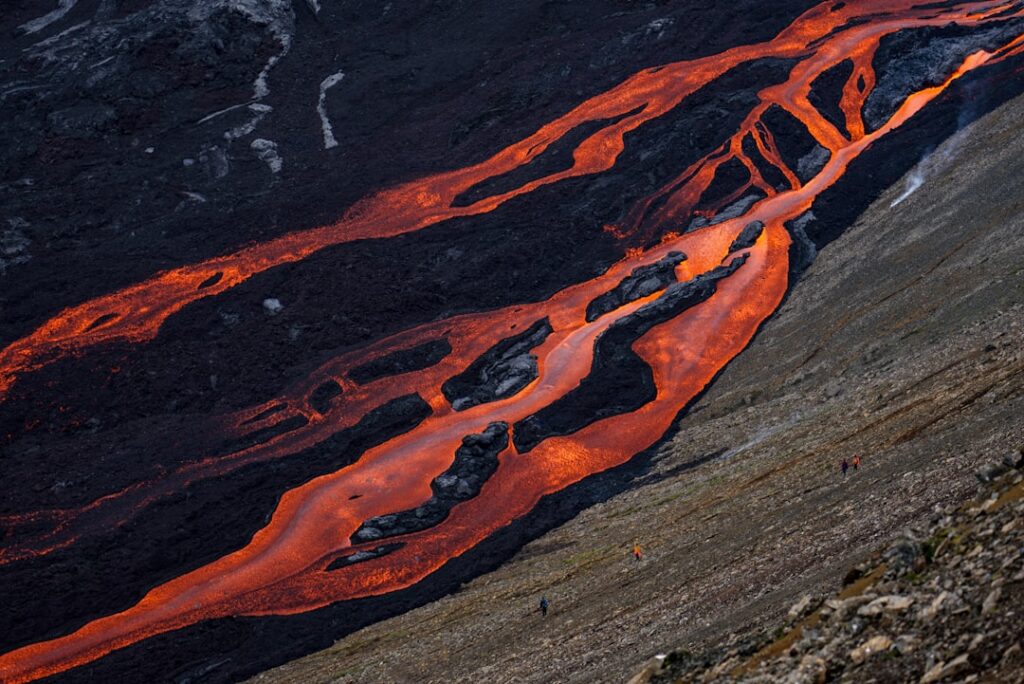
Why this region remains under close watch
The caldera itself has been slowly subsiding since that eruption, and periodic earthquake swarms are part of the ongoing adjustment of the system. Geoscientists and volcanologists at the Veðurstofa Íslands monitor the area around the clock using a network of seismometers and GPS sensors designed to detect even subtle ground deformation.
Swarm sequences like the one recorded overnight do not automatically signal an imminent eruption. But they are logged and analysed carefully, particularly when the main shock reaches or exceeds magnitude 3.5, as Thursday’s event did.
Access to the Bárðarbunga area requires traversing the highland interior, which remains closed to general traffic for much of the year. In summer months, specialist tour operators lead expeditions toward Vatnajökull, but the caldera itself is not a public destination. The region’s remoteness means that even significant seismic events there pose little direct risk to populated areas.
How Iceland monitors volcanic earthquake swarms
Iceland’s earthquake monitoring infrastructure is among the most sophisticated in the world, a practical necessity given the island’s geology. Real-time data from stations across the country feeds into systems that can locate and size a quake within minutes of it occurring. That data is made publicly available through the Veðurstofa Íslands website, where individual events in the Bárðarbunga area and elsewhere are logged and updated continuously.
Travellers planning routes through the south or highland interior are advised to check current conditions through official Icelandic sources before setting out, particularly during periods of elevated seismic activity.
Scientists and monitoring teams will be watching whether the aftershock sequence continues to diminish over the coming days, or whether further significant events develop within the caldera system.
Original source: Vísir (visir.is)