Iceland’s meteorological authority is urging people with business or travel north of the highland interior to monitor weather forecasts closely, according to a text forecast issued by Veðurstofa Íslands.
The advisory, reported by Vísir (visir.is), covers those who have anything at stake in areas lying north of the highland passes — a broad swathe of territory that includes farming communities, travellers and anyone moving between the capital region and the northern and northeastern parts of the country. Conditions in these areas can shift rapidly, and the agency’s warning reflects that uncertainty.
Iceland’s highland interior — known as the heiðar — functions as a natural weather divide. Systems that approach from the north or northwest often stall or intensify as they encounter the elevated terrain, producing conditions that differ sharply from what forecasts might suggest at lower altitudes. A route that appears passable from Reykjavík can look very different by the time a driver or farmer is actually on it.
What the weather advisory means for those north of the heiðar
The Veðurstofa’s text forecast service is one of the primary tools Icelanders use to gauge conditions ahead of travel or outdoor work. Unlike automated alerts, these written forecasts are composed by meteorologists and tend to carry specific guidance tailored to particular regions and time windows.
When the agency includes language advising people to follow forecasts closely, it generally signals that conditions are expected to be unsettled or potentially hazardous — though the degree of risk depends on developments that may still be uncertain at the time of issue.
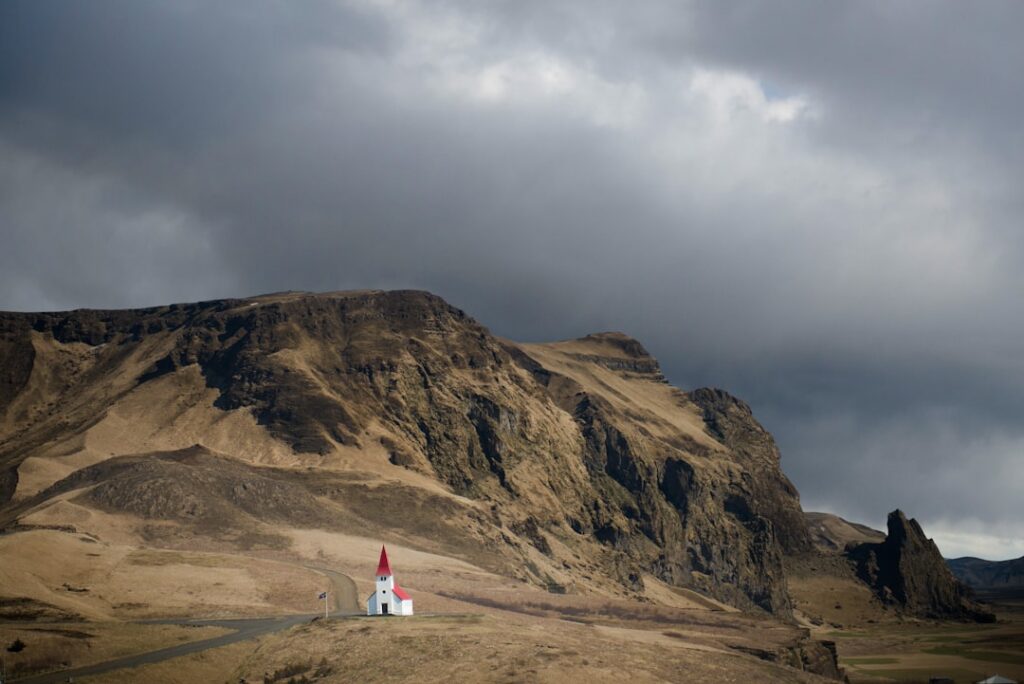
For farmers and rural workers in the north, this kind of advisory carries practical weight. Livestock, equipment and infrastructure can all be exposed when weather deteriorates without warning. The highland routes that connect communities on either side of the interior are also sensitive to sudden changes in visibility, wind and precipitation.
Staying informed during uncertain weather in northern Iceland
The Veðurstofa publishes updated forecasts throughout the day, and its website and app remain the standard reference for anyone planning movement across Iceland’s more exposed regions. Road condition updates from Samgöngustofa, the transport authority, run in parallel and are typically cross-referenced by travellers and hauliers alike.
Northern Iceland’s weather patterns in any given season can be deceptive. Clear skies over Reykjavík or the south coast offer no reliable guide to what is happening north of Langjökull or over the Sprengisandur plateau. The terrain compresses and redirects frontal systems in ways that even experienced locals treat with respect.
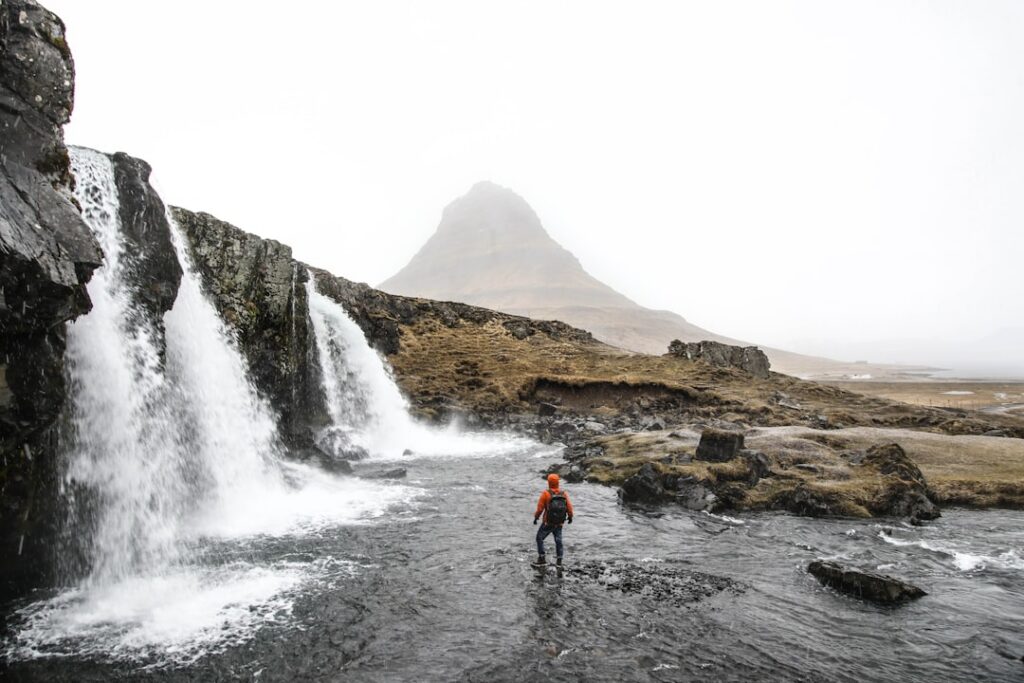
For visitors or those unfamiliar with Iceland’s interior geography, the practical advice is straightforward: check the Veðurstofa forecast, check road conditions on road.is, and be prepared to delay rather than press on.
How Iceland’s weather warning system works
Iceland operates a tiered alert system through the Veðurstofa, ranging from informal advisories in text forecasts up to formal colour-coded warnings — yellow, orange and red — that trigger wider public response protocols. The current advisory sits at the lower, precautionary end of that scale: a prompt to stay informed rather than a directive to stay home.
That distinction matters. Iceland’s population is accustomed to weather variability, and the Veðurstofa calibrates its language carefully to avoid both alarm and complacency. An instruction to monitor forecasts is not a red alert — but it is a signal that conditions bear watching.
Those with plans involving the northern lowlands or highland crossings in the coming days are advised to keep an eye on the Veðurstofa’s updated text forecasts as the situation develops.
Original source: Vísir (visir.is)