












Your guide to driving in Iceland this February: everything from the seasonal weather to car rentals and safety tips—get ready for a winter adventure.
A road trip through Iceland in February is not something you forget in a hurry. Snow-covered lava fields, near-empty highways, and that low winter light that turns an ordinary stretch of road into something worth pulling over for. That said, winter driving here is not something you can wing—it asks for real preparation and genuine respect for conditions that can shift on you fast.
As the most reliable travel platform in Iceland, Guide to Iceland assists millions of visitors each year. Our content is crafted and vetted by local experts, ensuring you receive accurate, current, and trustworthy travel insights.
February brings icy roads, daylight that disappears before you expect it, and forecasts that can change by the hour. But honestly, that unpredictability is part of the draw. Having a rental car means you can chase the northern lights on a clear night, take a detour no tour bus would bother with, stop at the Blue Lagoon on a whim, and move at whatever pace suits you.
Read on for everything you need to know before you get behind the wheel this February.
The Weather in Iceland in February
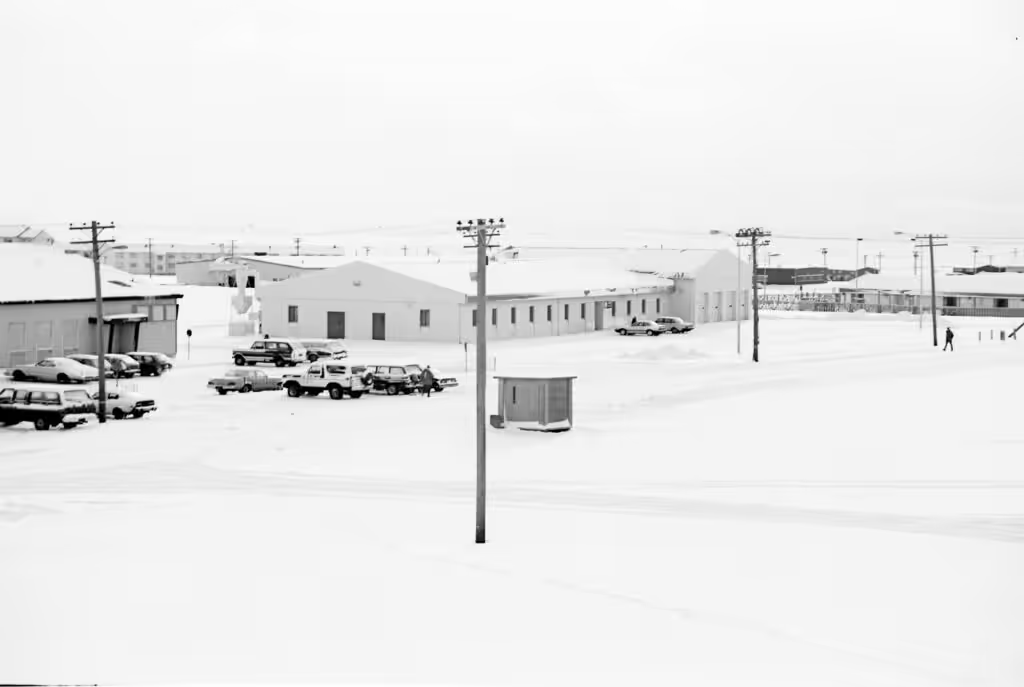
February sits squarely at the heart of winter in Iceland. Daylight averages just 7 to 9 hours, and temperatures in lowland areas generally range between 27°F and 37°F (-3°C to 3°C). It is cold, often grey, and occasionally spectacular.
Snow, sleet, and strong winds are routine—especially along the coast and in the north. Road conditions can change without much warning. A stretch that looks manageable can turn icy within minutes, and sudden snow showers are a regular occurrence rather than a rare event.
Keep the Icelandic Meteorological Office and SafeTravel websites open on your phone—both give real-time storm warnings and road condition updates. Even the best-laid plans can get derailed, so know what Iceland offers when you are stuck indoors: geothermal pools, museums, cosy cafes, and winter photography tours are all worth your time. With the right mindset and a bit of flexibility, February can be one of the most rewarding months to be here.
Understanding Iceland’s Winter Road Conditions
Winter roads in Iceland do not behave like roads back home. Within just a few miles, you can go from dry, clear asphalt to a sheet of ice with zero warning.
The main Ring Road and major highways are plowed and maintained year-round, but temporary closures do happen when snowfall is heavy or winds pick up severely. Rural roads, mountain passes, and Highland routes—F-roads—are often completely impassable throughout winter.
Black ice is a real hazard, particularly under bridges and in shaded sections. Strong winds can push snowdrifts across roads and cut visibility down to almost nothing. Before you drive anywhere, check the Icelandic Road and Coastal Administration for the latest road status and closures, and download the SafeTravel app for weather and hazard alerts.
If the idea of managing all this yourself feels like too much, plenty of guided winter tours cover Iceland’s most dramatic landscapes with experienced local drivers at the wheel.
Navigating Iceland in February
Winter conditions here can range from straightforward to genuinely dangerous, so how you get around matters. Guided tours are a solid option, but many visitors prefer self-driving—the freedom to stop when something catches your eye, to double back, to avoid the crowds at a viewpoint by arriving early or late.
The Essentials of Car Rental for Winter Driving in Iceland
If you are driving in Iceland this February, the vehicle you choose makes a significant difference. A 4×4 or SUV is strongly recommended—these handle snow, ice, and wind in ways a standard car simply cannot.
Higher-end options are available too if you want comfort alongside capability. When booking, pay attention to a few things:
Studded winter tires: These are a must for icy surfaces.
High-clearance vehicles: Essential for navigating rural roads burdened by snowdrifts.
Comprehensive insurance: Opt for winter-specific coverage to safeguard against storms, gravel roads, and icy conditions.
Rental flexibility: Understand your rental policy’s stance on swaps or extensions if road conditions change unexpectedly.
Picking up a car at Keflavik Airport or in Reykjavik is the simplest option for most travellers—you can get going straight after landing. Akureyri also has rental options for those basing themselves in the north.
Self-Drive Adventures During Winter in Iceland
Self-drive packages offer a middle ground worth considering—you get a planned itinerary and recommended routes, but you are still the one behind the wheel on your own schedule.
Self-drive packages provide numerous advantages, including:
Whether you go for a straightforward 4×4 rental or a guided self-drive package, February is a genuinely good month to explore Iceland by road. Plan carefully, choose the right vehicle, and it will be a trip you talk about for years.
Must-Visit Winter Destinations in Iceland Accessible by Car
Iceland in February looks like nothing else. The snow changes familiar landscapes entirely, and having a car means you can take it all in at your own pace—frozen waterfalls, black beaches, glaciers, and the chance to be somewhere truly remote without a tour group around you.
Golden Circle: Tour the famed trio of Thingvellir National Park, the Geysir Geothermal Area, and Gullfoss Waterfall. The snowy scenery adds an enchanting quality, and the roads are typically well-maintained for 4×4 vehicles.
South Coast: Marvel at the stunning Seljalandsfoss and Skogafoss waterfalls, stroll along Reynisfjara Black Sand Beach, and get close to Solheimajokull Glacier. This route is best suited for winter-ready SUVs or 4x4s.
Snaefellsnes Peninsula: Often dubbed “Iceland in Miniature,” this stunning area boasts lava fields, rugged cliffs, and quaint fishing villages. Winter quietude enhances the peaceful atmosphere, ideal for scenic drives and photography away from summer crowds.
Reykjavik and Its Surroundings: Even if you base yourself in the capital, a short drive can take you to geothermal pools, lava fields, and breathtaking coastal views. Prepare to explore attractions like the Blue Lagoon or the Reykjanes Peninsula, making the most of well-maintained roads.
Jokulsarlon Glacier Lagoon: A must-see for winter adventurers, this lagoon’s floating icebergs create a stunning backdrop. On clear nights, it’s an excellent spot from which to witness the northern lights illuminating the icy expanse.
Northern Lights Viewing: With minimal light pollution, any clear night can become a northern lights chase. Flexible driving allows you to pursue the aurora across snowy plains and serene coastal areas, crafting unforgettable memories.
Essential Tips for Safe Winter Driving
February driving in Iceland can be exhilarating—and demanding. These guidelines will help you stay safe on Iceland’s winter roads.
Check conditions before every journey. Regularly review the latest road and weather updates, keeping a close eye on any warnings.
Carry an emergency kit. Equip your vehicle with blankets, food, water, a flashlight, and first-aid supplies for unexpected delays.
Drive slowly and maintain a safe distance. Icy patches can appear even on supposedly cleared roads, so reduce your speed and leave ample space between vehicles.
Use headlights at all times. Always keep your headlights on during daylight to enhance visibility in low winter light, snow, or fog, and ensure other drivers can see you.
Avoid abrupt maneuvers. Steer clear of sudden braking or sharp turns, especially on icy surfaces.
Exercise caution on bridges and overpasses. These freeze faster than regular roads, so approach them with care and at reduced speeds.
Watch out for strong crosswinds. Particularly along the southern and eastern coasts, these winds can push your vehicle unexpectedly; keep both hands on the wheel and slow down.
Be aware of livestock on the roads. Sheep and other animals frequently wander onto rural roads, so remain alert, especially in marked areas.
Plan your route around daylight hours. With only 7 to 9 hours of daylight in February, aim to avoid driving in darkness.
Stick to main roads if you’re inexperienced. Major routes like the Ring Road are regularly plowed and provide a safer driving experience.
Pull over or turn back when visibility drops. Don’t risk continuing in whiteout conditions; wait for safer weather.
Keep your fuel tank topped up. Long stretches between gas stations can be common, especially in rural areas, so refuel frequently.
Don’t hesitate to ask locals for real-time advice. Their insights can be invaluable for navigating winter conditions effectively.
Consider guided winter tours for hard-to-reach areas. Experienced drivers can access treacherous locations, providing a safe, stress-free way to appreciate Iceland’s winter landscapes.
Avoiding Common Mistakes When Driving in Iceland in February
Winter driving in Iceland can be wonderful—but there are mistakes that catch visitors out regularly. Here is what to watch for:
Underestimating road conditions. It’s a common mistake to assume that plowed roads are always safe; icy patches can still be lurking, even on main highways.
Neglecting weather warnings. Storms and sudden changes are notorious in February; failing to stay informed can lead to perilous situations.
Driving too fast for conditions. Familiar speed limits may become dangerous; icy roads require a more cautious approach.
Venturing onto closed roads or F-roads. Many rural and Highland routes may close during winter, and ignoring these closures can result in dire consequences.
Neglecting vehicle or tire checks. Renting a car without winter tires, inadequate fuel, or insufficient insurance is a frequent oversight.
Overconfidence in self-driving abilities. Some travelers mistakenly assume they can navigate conditions without experience; local knowledge and preparation are vital.
Failing to have an emergency plan. Lacking necessary supplies can turn a minor hold-up into a dangerous scenario.
FAQs About Driving in Iceland in February
Is there a minimum age requirement for driving a car in Iceland?
Yes, drivers typically must be at least 20 years old to rent a vehicle in Iceland, although specific requirements may vary for 4×4 or luxury vehicles. Additionally, drivers under 25 may incur a young driver surcharge.
Do I need an International Driving Permit to drive in Iceland?
If your driver’s license is issued by an EU or EEA country, as well as Iceland, an International Driving Permit (IDP) is unnecessary. However, visitors from other regions should carry an IDP in conjunction with their valid domestic license.
What type of vehicle and tires are best for winter driving in Iceland?
For those driving in February, a 4×4 or SUV with studded winter tires is highly recommended. These vehicles provide enhanced stability, traction, and clearance for icy roads and snowdrifts.
Is it safe to drive Iceland’s Ring Road during winter months?
Generally speaking, yes, the Ring Road receives regular maintenance and plowing throughout the year. However, temporary closures can happen due to adverse weather or road conditions, so it’s wise to check before you set off.
Are all main roads and highways in Iceland accessible in February?
Most primary roads and highways, including the Ring Road, remain open, yet some rural roads, mountain passes, and Highland F-roads are often impassable during winter. Always verify ahead of time.
What should I do if I experience a snowstorm while driving in Iceland?
If visibility deteriorates or conditions worsen, it’s safest to pull over at a designated area or return to your lodging. Avoid traveling during storms and stay informed about weather updates.
How can I safely navigate steep hills and icy roads while driving in winter in Iceland?
Drive cautiously, maintain a long distance from the car ahead, avoid sudden braking or sharp turns, and utilize low gears during inclines or declines. A 4×4 vehicle with winter-ready tires is essential.
How can I stay updated on winter road conditions and closures in Iceland?
Always refer to the Icelandic Road and Coastal Administration website for real-time updates on road status and closures before heading out. The SafeTravel app also provides essential alerts for weather and safety advisories.
Concluding Your Winter Road Trip in Iceland
February is deep winter in Iceland. Conditions can be unpredictable—but with solid planning, it is one of the most rewarding times to see the country from the road.
Driving here in February gives you snow-covered landscapes, frozen waterfalls, and the northern lights on your own terms. Get the right vehicle, know your safety basics, and stay flexible. That combination turns a challenging road trip into something genuinely memorable.
Whether you rent a car independently or go with a self-drive package, February is a fine time to push beyond the obvious and find what Iceland looks like when most visitors have stayed home. If winter driving feels like too much to manage alone, vacation packages with accommodation, pre-planned routes, and local guidance are worth looking into.
Planning a winter road trip in Iceland? We invite you to share which adventures or sites excite you the most in the comments below!