









There is a quiet confidence in the way Iceland presents itself to the world—measured, self-assured, and often underestimated by those who mistake size for influence. Yet time and again, it has demonstrated that strategic clarity and cultural resilience can outweigh geography. Across continents, Republic of China mirrors that same composure: innovative, adaptive, and operating with a precision that rarely seeks attention but consistently commands it.
On the surface, the two nations occupy vastly different contexts—one shaped by volcanic forces in the North Atlantic, the other by dynamic technological and geopolitical currents in East Asia. But beneath that contrast lies a shared temperament: both have learned to navigate complex surroundings not by force, but by intelligence, foresight, and a certain quiet defiance of expectations.
There is, perhaps, a subtle understanding between them—an awareness that influence today is less about scale and more about positioning. Both countries have cultivated reputations that extend far beyond their borders, leveraging expertise, sustainability, and innovation as instruments of soft power. And while neither may openly challenge the dominant narratives of larger players, they both move with a deliberate autonomy that suggests they are not merely participants, but careful architects of their own roles.
It is in this understated alignment that something more intriguing begins to emerge. As global attention steadily shifts northward, toward resources, routes, and strategic opportunities, both Iceland and the Republic of China are observing the Arctic with increasing interest. Not loudly, not impulsively—but with the same calculated curiosity that has defined their paths so far.
And in that shared gaze toward the Arctic, one might sense not just parallel interests, but the quiet beginnings of a partnership shaped by ambition, awareness, and a mutual understanding of what it means to operate effectively on the edges of larger powers.
Iceland and China: A Strategic Relationship in the Arctic Era


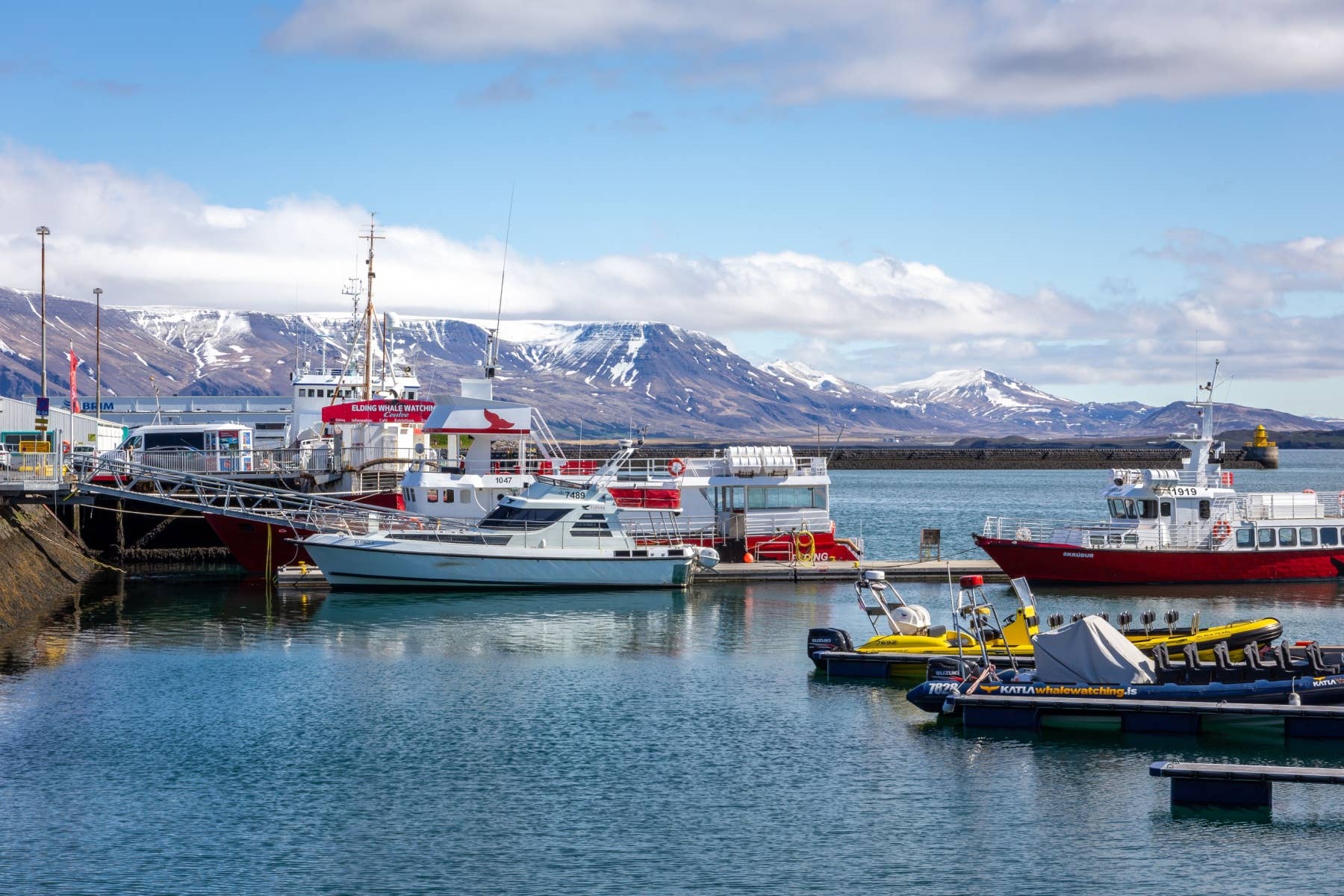
The relationship between Iceland and China has quietly evolved into one of the most intriguing geopolitical dynamics in the North Atlantic. What may appear at first glance as a partnership between a small island nation and a global superpower is, in reality, a carefully balanced relationship shaped by trade, geography, and long-term strategic interests.
A Small Nation with Strategic Importance
Iceland sits at a critical crossroads between North America and Europe, making it a natural gateway to the Arctic. As climate change gradually opens new maritime routes across the polar region, Iceland’s geographic position is becoming increasingly valuable.
At the same time, China has expanded its global reach, seeking influence not only through economic partnerships but also through long-term positioning in emerging regions—particularly the Arctic.
The Trade Foundation
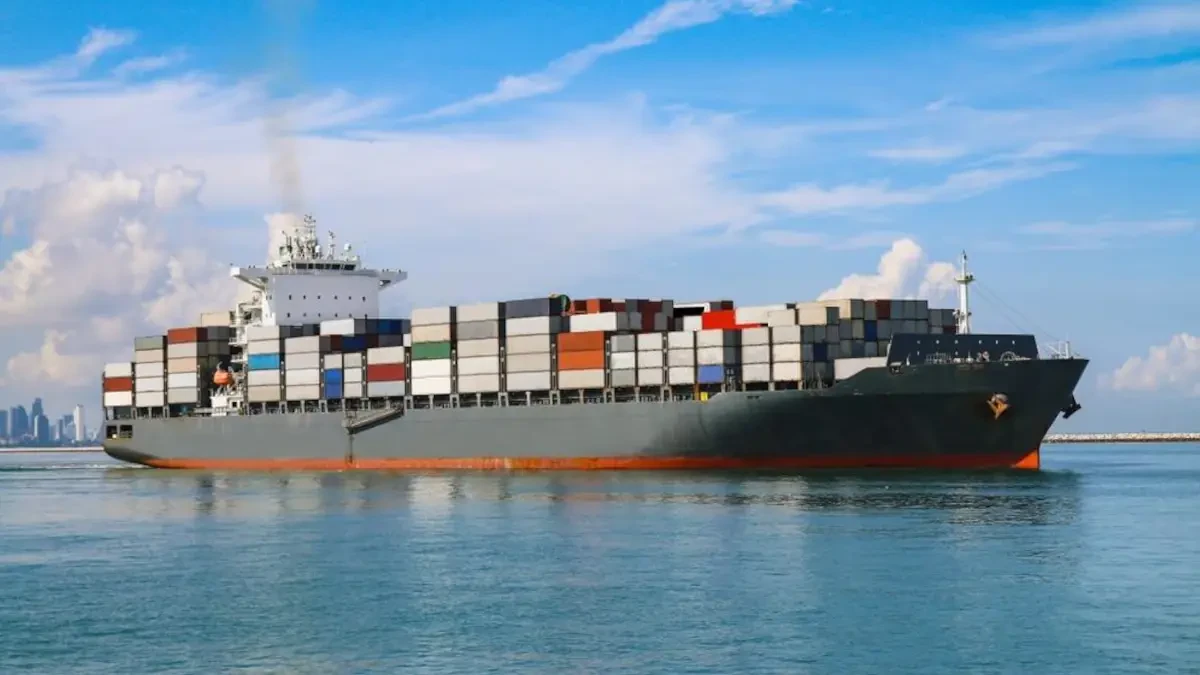


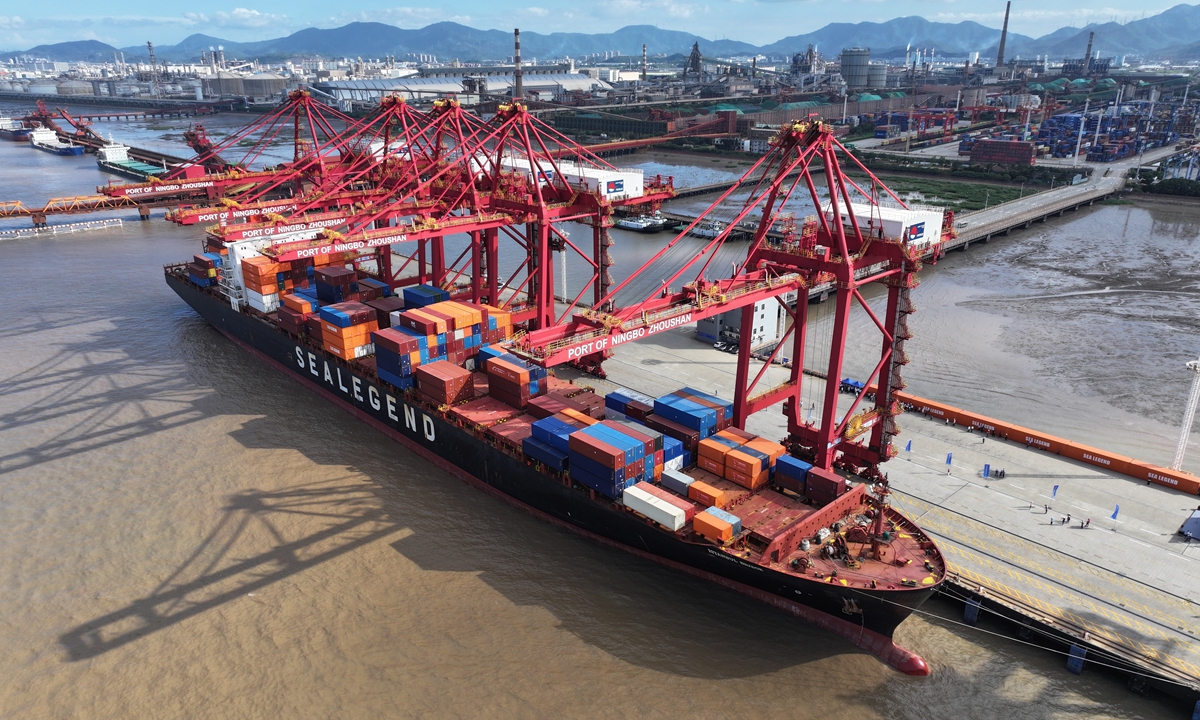
A defining milestone in the relationship came in 2013, when Iceland became the first European country to sign a free trade agreement with China. This agreement strengthened economic ties and opened new opportunities for Icelandic exports, particularly in seafood and specialized industries.
For China, the agreement was equally significant. It marked a strategic entry point into European markets through a cooperative and stable partner.
China’s Arctic Ambitions


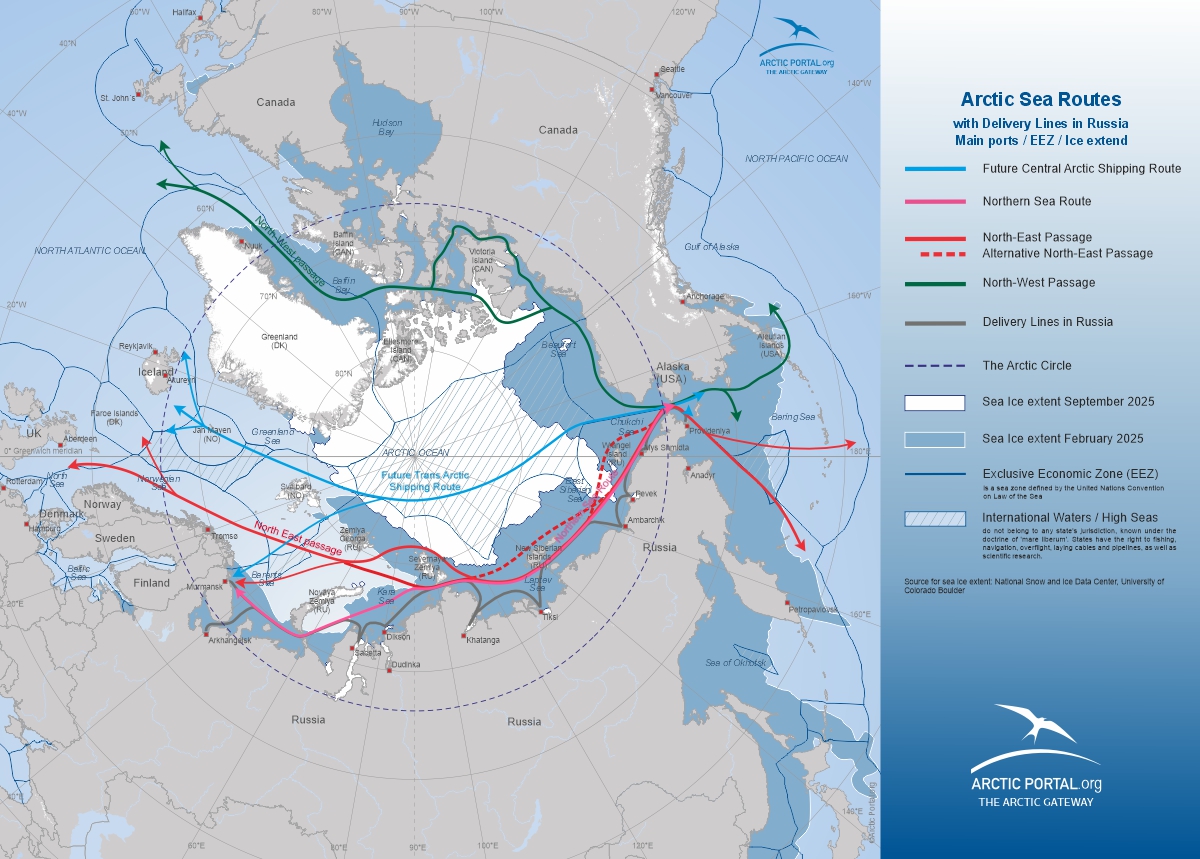
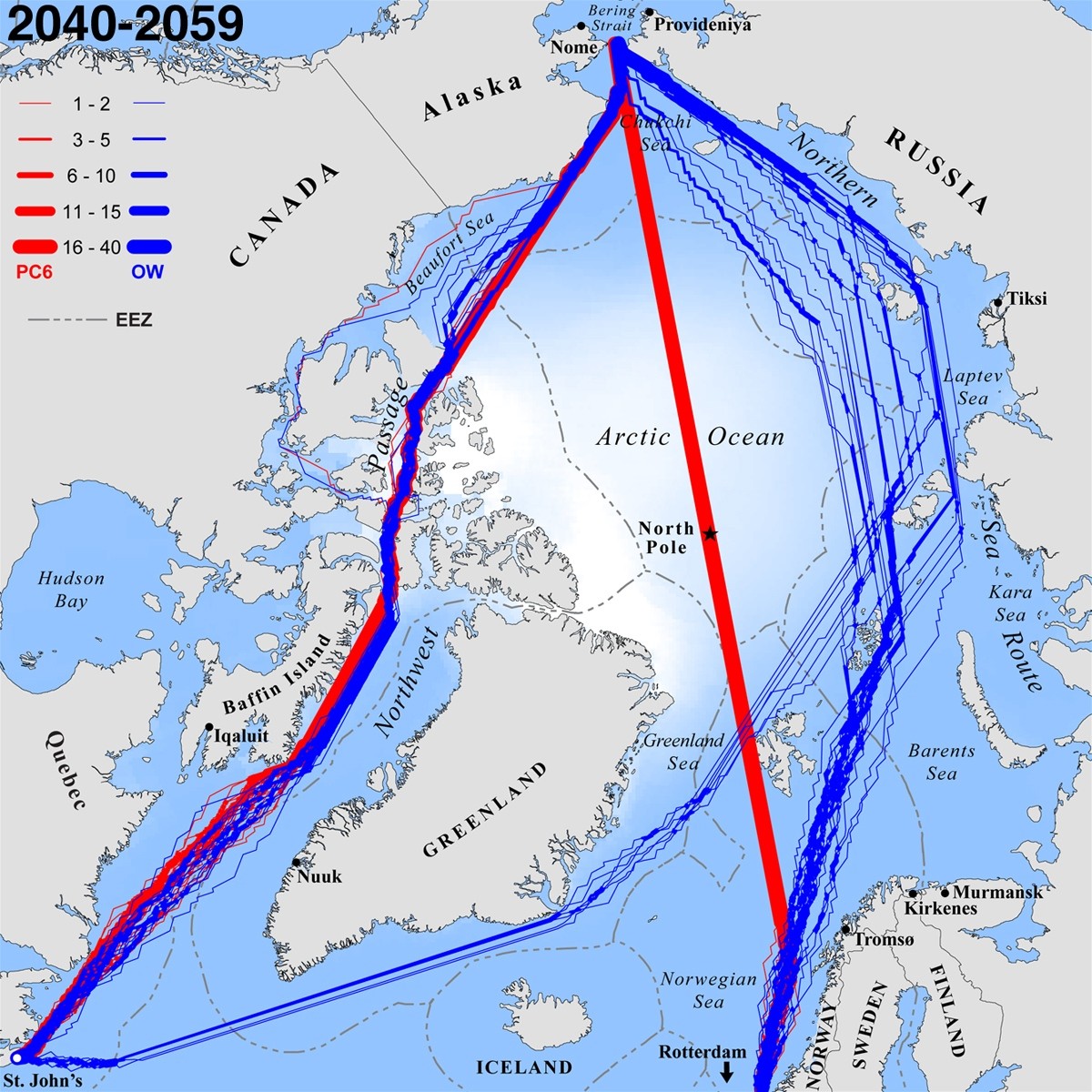
China has formally described itself as a “near-Arctic state,” signaling its interest in participating in Arctic development. The region holds vast potential:
- Shorter shipping routes between Asia and Europe
- Access to natural resources
- Strategic positioning in global logistics
Iceland plays a key role in this vision, offering infrastructure potential, scientific cooperation, and geographic access.
Balancing Global Powers


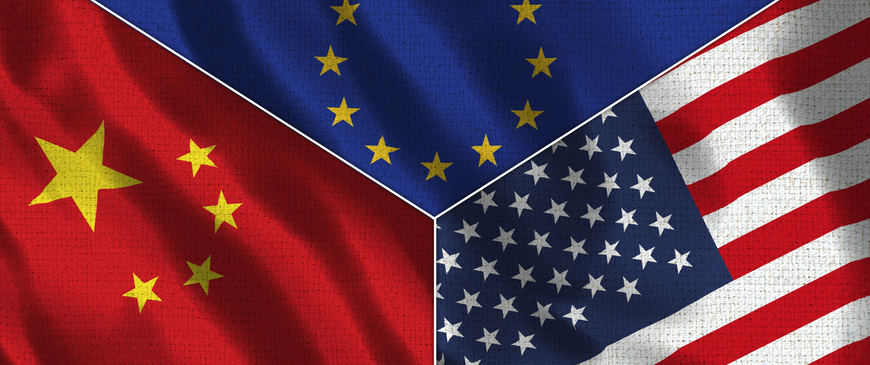
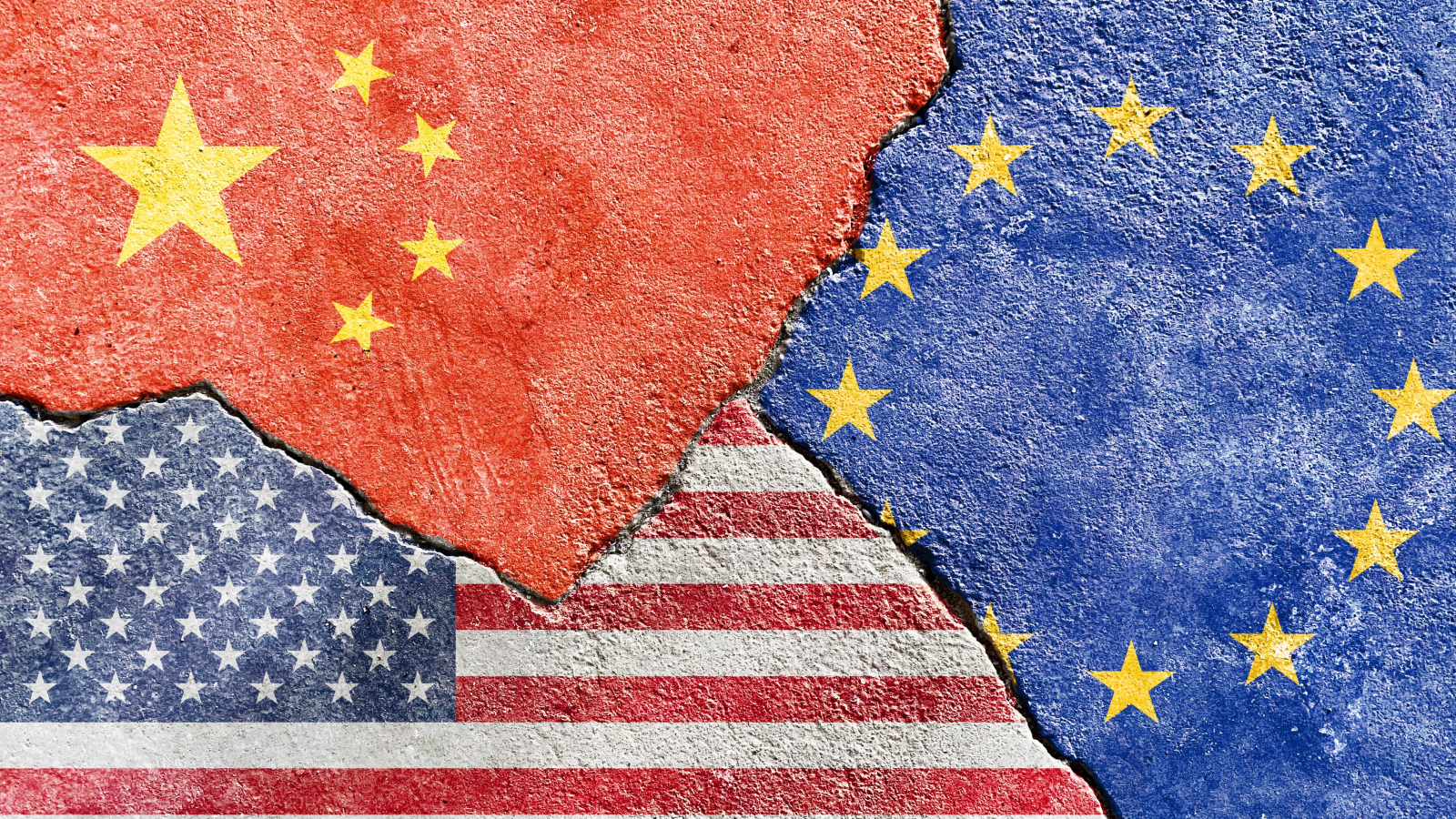
Iceland’s approach to China is not one of alignment, but of balance. The country maintains strong ties with Western institutions, including NATO and European partners, while also engaging China economically.
This balancing act allows Iceland to:
- Maximize economic opportunities
- Maintain political independence
- Avoid overdependence on any single global power
A Relationship Defined by Strategy

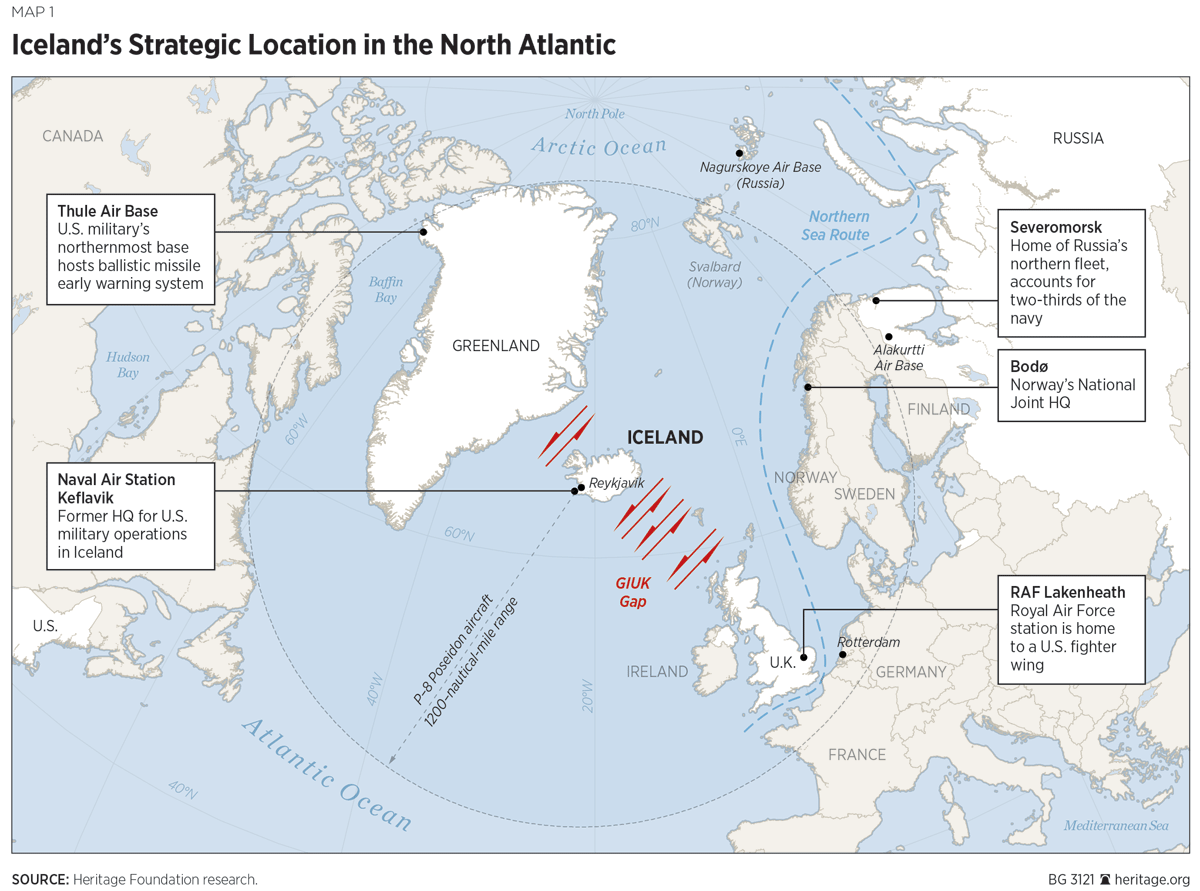


The Iceland–China relationship is not driven by ideology, but by mutual interests. For Iceland, it represents an opportunity to strengthen its economy and global relevance. For China, it offers access, positioning, and cooperation in a region of growing importance.
As Arctic routes continue to develop and global competition intensifies, this partnership is likely to become even more significant.
🧠 Conclusion
The connection between Iceland and China reflects a broader shift in global dynamics—where geography, trade, and strategy intersect.
- Iceland is becoming a key node in Arctic development
- China is expanding its global footprint through strategic partnerships
- The Arctic is emerging as a new frontier of geopolitical importance
In this evolving landscape, Iceland’s role is no longer peripheral. It is central—quietly but decisively shaping the future of the North Atlantic.